





Victorian Horse Drawing
These Victorian horse drawing pieces capture the movement and spirit of nineteenth-century transport, offering collectors genuine period artistry.
Victorian Horse Drawing
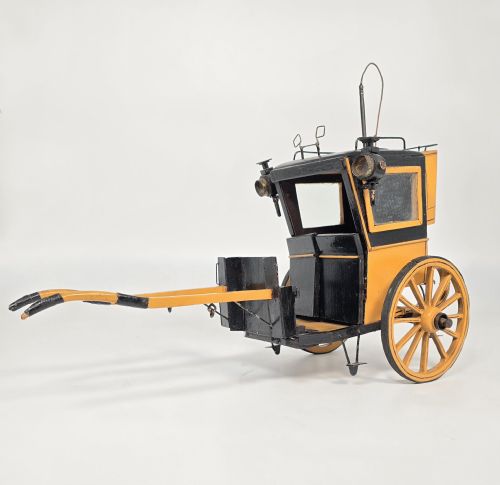
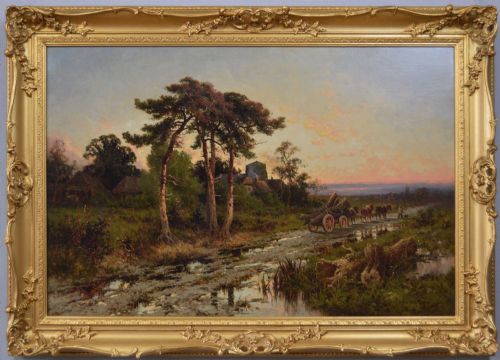
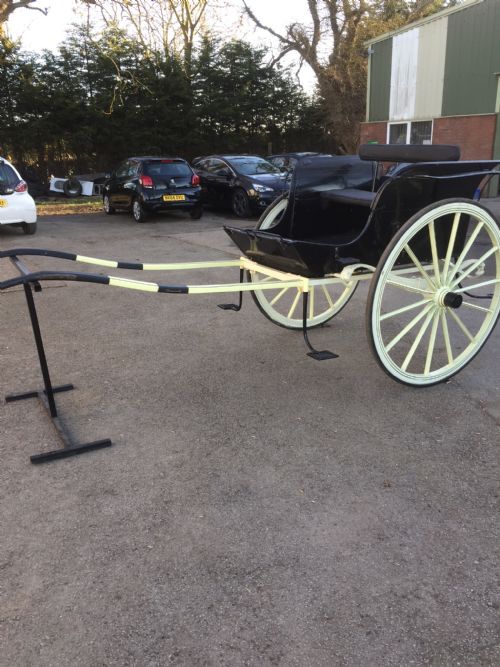
When you search for a victorian horse drawing, you encounter works on paper alongside related paintings and models that document nineteenth-century equine life.
The pieces on this page span the nineteenth century into the early twentieth century, taking the form of watercolours, ink works, and detailed drawings.
Subjects range from urban street scenes with cabs to rural coaching journeys, capturing horses at work in diverse settings.
Materials and technique
Artists executed these works primarily on paper using watercolour and ink, relying on fluid washes and precise lines to render horses in motion.
Support materials extend to canvas for larger oil paintings, while three-dimensional pieces incorporate iron, wood, glass, and leather.
Draftsmanship dictates the success of each piece, combining observational accuracy with the specific handling of pigment characteristic of the period.
Materials across these listings span paper, watercolour, ink, iron, wood, oil on canvas, glass, and leather.
Assessing quality
Quality rests upon the sureness of the draftsmanship and the artist's ability to convey the anatomy and dynamic movement of the horse.
Context and composition elevate certain pieces, particularly those that place the animals within detailed urban or atmospheric winter landscapes rather than isolated studies.
Albert Ludovici Jnr·William Manners·John Charles Maggs·Charles H Poingdestre·John Richard Worsdale·Henry H Parker·John Baragwanath King
The Victorian Horse Drawing Glossary
- Watercolour
- A painting method where fine pigment is suspended in water-based solution, applied here to paper supports. It allows for translucent washes and delicate tonal shifts.
- Genre watercolour
- A pictorial representation depicting scenes from everyday life, often featuring human figures and working animals in natural settings.
- Equestrian
- Pertaining to horses and horse riding. This descriptor identifies works where the horse serves as the primary focal point of the composition.
- Scale model
- A physical representation of an object maintained in accurate proportion, seen here in models of carriages and agricultural equipment.
Victorian Horse Drawing: Frequently Asked Questions
What is a victorian horse drawing?
A victorian horse drawing is an original work on paper from the nineteenth century depicting horses, often in working contexts like coaching or urban transport.
These pieces reflect the central role of horses in daily life before the widespread adoption of motorised transport.
How were these drawings displayed?
In period interiors, works on paper were typically mounted under glass within timber frames to protect the delicate medium from moisture and light damage.
Framing choices often reflected prevailing tastes of the nineteenth century, complementing the domestic spaces where they hung.
How do I care for a paper drawing?
Paper works require placement away from direct sunlight to prevent the fading of watercolour pigments and the yellowing of the paper support.
Maintaining stable indoor humidity levels also protects the paper and any accompanying ink or watercolour mediums from deterioration.
What subjects appear in these works?
Common subjects include stagecoaches navigating winter snowstorms, urban street scenes with cabs, and rural logging carts on country tracks.
Artists focused heavily on the functional partnership between horses and human enterprise during the Victorian era.