



Antique Equestrian Drawing
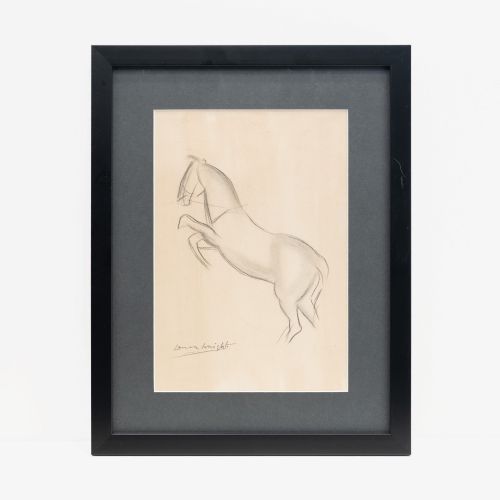
An antique equestrian drawing captures the power and movement of horses through ink, chalk, or watercolour on paper.
Antique Equestrian Drawing
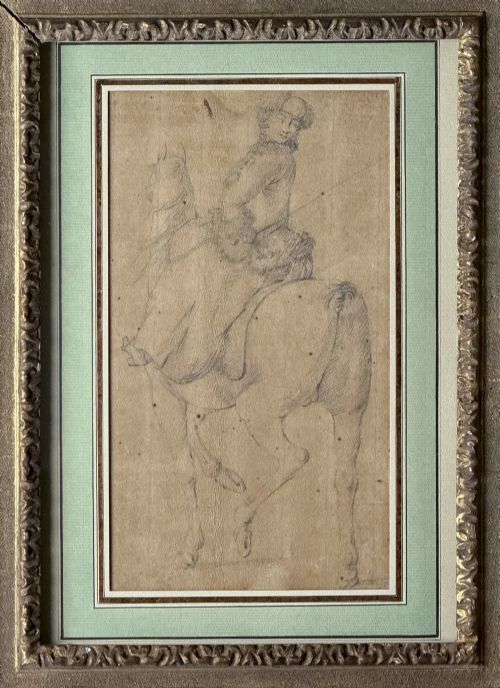
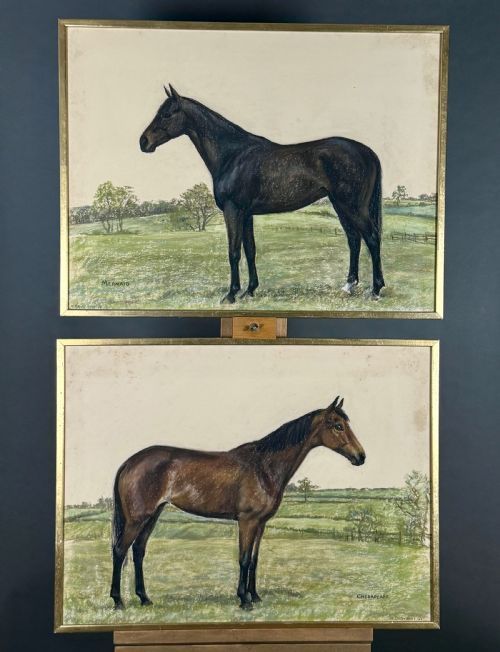
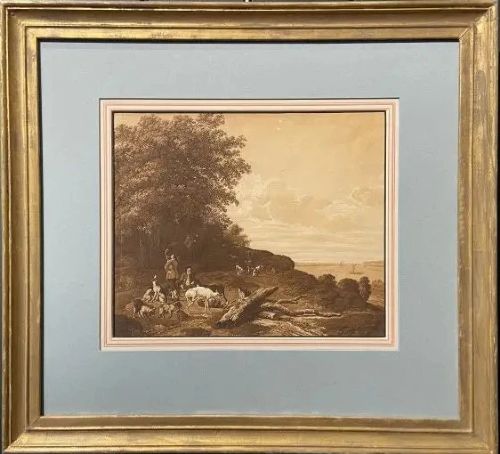
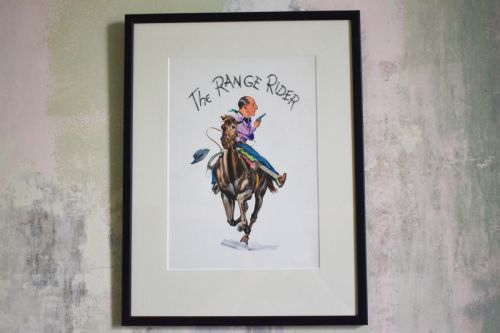
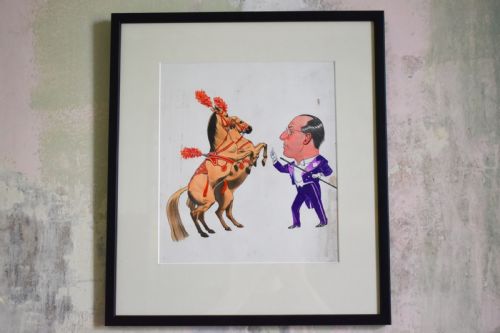
When you search for an antique equestrian drawing, you encounter works ranging from rapid preliminary sketches to finished pastoral and coaching scenes. These pieces capture horses, riders, and carriages across several centuries of draughtsmanship.
The selections on this page span the seventeenth, eighteenth, and nineteenth centuries, alongside early twentieth-century examples. You meet works executed in chalk, pen and ink, pastel, and watercolour on paper.
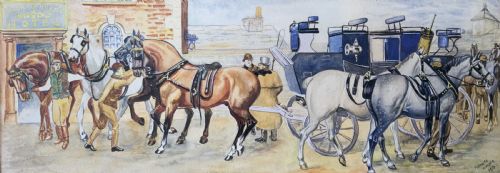
Subjects stretch from individual horse studies and battle scenes to stagecoaches caught in winter snowstorms. English and continental European schools dominate the imagery, often presented in period wood or gilt frames.
Materials and methods
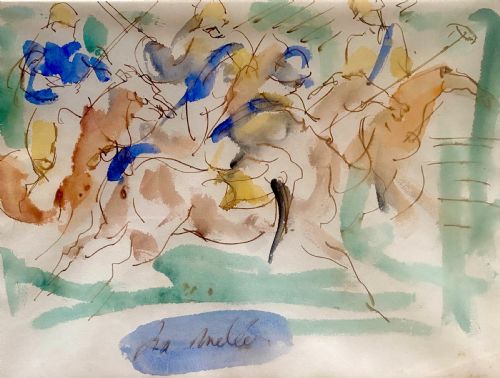
Artists deployed ink, chalk, and watercolour on paper surfaces to render the musculature and motion of horses. Washes provided depth while fine pen lines defined harness details and landscape backgrounds.
Pastel and charcoal allowed for broader tonal work, sometimes heightened with white to create dramatic contrast on tinted paper. Many of these works survive within original oak or walnut frames behind glass.
Stagecoaches battle snowstorms while horses pull lightweight four-wheel cart traps through Victorian winters.
Assessing quality
Quality rests upon the draughtsman's command of equine anatomy and the vigour of the line. Superior works convey immediate kinetic energy and precise proportion rather than stiff repetition.
The preservation of the paper and the vibrancy of the pigments dictate the standing of a piece. Faded watercolours or degraded paper lower the visual impact, while crisp ink work and stable paper elevate the drawing.
Johannes Lingelbach·Cecil Charles Windsor Aldin·Samuel Henry Alken·John Charles Maggs·Johan Noah Bemmel·John Richard Worsdale·Snaffles
The Antique Equestrian Drawing Glossary
- Draughtsmanship
- The artist's skill in drawing. It forms the foundation of every good paper work.
- Wash
- A diluted layer of ink or watercolour applied to paper. It creates shadows and atmospheric depth behind the primary lines.
- Pastel
- A powdered pigment mixed with a binder and pressed into a stick. It provides rich, velvety colour directly onto paper.
- Heightened
- The addition of opaque white pigment to highlight specific areas. This technique lifts the focal points of a dark charcoal or chalk drawing.
Antique Equestrian Drawing: Frequently Asked Questions
How do I care for an antique drawing?
Keep works on paper away from direct sunlight to prevent the ink and watercolour pigments from fading. Framing with acid-free mounts and glass protects the delicate paper from moisture and atmospheric damage over time.
Ensure the hanging environment maintains stable humidity levels. Excessive moisture causes foxing and paper degradation.
Are these drawings original works?
The pieces listed are original hand-drawn or painted works on paper rather than later mechanical reproductions. Artists created each sheet using ink, chalk, watercolour, or pastel.
Signatures, dates, and paper watermarks often assist in confirming the period and authorship of individual drawings.
What subjects appear in these works?
Common subjects include coaching scenes, mail carriages, military battle charges, and individual horse portraits. Artists frequently depicted horse-drawn carts, traps, and hunts across English and European settings.
Historical scenes involving royalty and military campaigns also feature prominently among the nineteenth-century selections.
How are these artworks framed?
Many drawings retain period framing executed in wood, oak, walnut, or gilt finishes. These frames complement the era of the artwork and often feature protective glass.
Some pieces arrive mounted behind glass within traditional surrounds that suit the century of creation.