


Paper Equestrian Art Study
These paper equestrian art study pieces capture horses through graphite, ink, watercolour, and pastel across several centuries.
Paper Equestrian Art Study
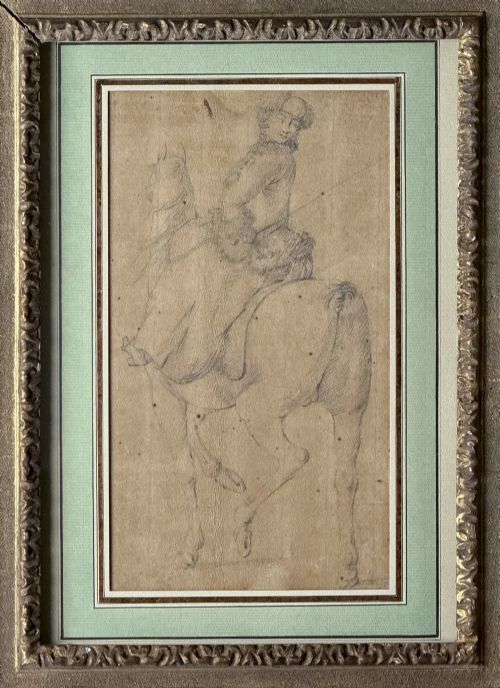
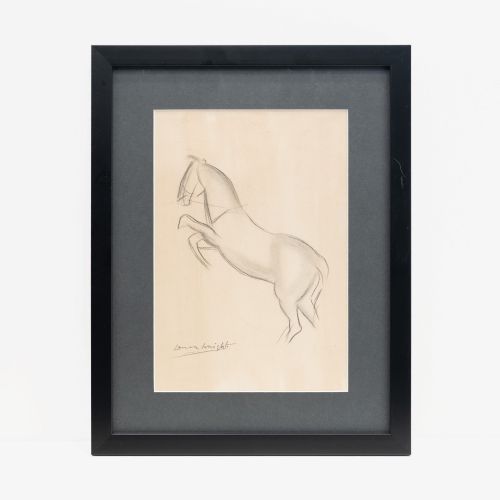
A paper equestrian art study represents horses through works on paper, spanning centuries of draughtsmanship and painting. These pieces range from early eighteenth-century Northern European school drawings to twentieth-century modern British works.
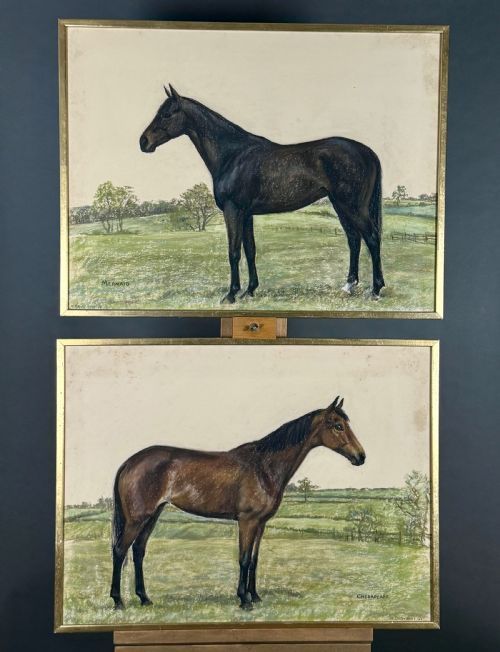
Buyers encounter framed drawings, original watercolours, pastels, and engravings depicting horses and riders. The selection includes single portraits, pairs, and sets attributed to various historical periods and regional schools.
The objects take the form of framed artwork and wall art, executed on paper supports using mediums like ink, graphite, and watercolour. Their origins trace across British, Dutch-German, and wider European traditions.
How they were made
Artists executed these works on paper using traditional drawing and painting materials including graphite, ink, watercolour, and pastel. These mediums allowed for fine line work in pen and ink alongside broader washes of watercolour or rich applications of pastel.
Makers housed many of these works in wood and gilt wood frames, protecting the delicate paper supports beneath glass. This framing method preserves the original drawings and watercolours while preparing them for wall display.
Listings feature works spanning the eighteenth, nineteenth, and twentieth centuries, utilising paper, glass, wood, ink, graphite, watercolour, and pastel.
What varies in quality
The refinement of line work and the deftness of the medium handling distinguish individual pieces. Masterly control in graphite or ink reveals the anatomy and movement of the horse with greater conviction.
The preservation of the paper support and the vibrancy of the pigments influence the overall character of the work. Early examples demonstrate the enduring quality of traditional European draughtsmanship.
Dame Laura Knight·Snaffles·Johan Noah Bemmel
The Paper Equestrian Art Study Glossary
- Watercolour
- A painting method where the pigments are suspended in a water-based solution. This technique allows for translucent washes of colour on paper.
- Pastel
- A dry drawing medium consisting of powdered pigment and a binder. It creates velvety textures and rich colour tones on paper.
- Engraving
- A printmaking process where an image is incised into a plate. The resulting lines hold ink to be transferred onto paper.
- School
- A group of artists sharing a similar style, period, or geographical origin. This term helps categorize works by regional traditions.
- Gilt wood
- Wood that has been treated with a thin layer of gold leaf. Frames often feature this finish to complement the artwork.
Paper Equestrian Art Study: Frequently Asked Questions
What is a paper equestrian art study?
A paper equestrian art study is an original work on paper depicting horses, created using mediums such as watercolour, ink, graphite, or pastel.
These pieces range from early eighteenth-century European school drawings to twentieth-century British works.
How should I display these artworks?
These framed pieces suit wall display in studies, hallways, or living spaces where they can be viewed closely.
Keep them away from direct sunlight to protect the paper and pigments from fading over time.
How do I identify the period of a drawing?
The period is indicated by the style of draughtsmanship, the framing materials, and the characteristics of the paper.
Historical works often bear inscriptions, signatures, or stylistic markers typical of eighteenth, nineteenth, or twentieth-century schools.
What mediums were used in these studies?
Artists employed traditional mediums including graphite, pen and ink, watercolour, and pastel on paper.
These materials were chosen for their ability to capture fine anatomical detail and expressive movement.