



Framed Landscape Sketch
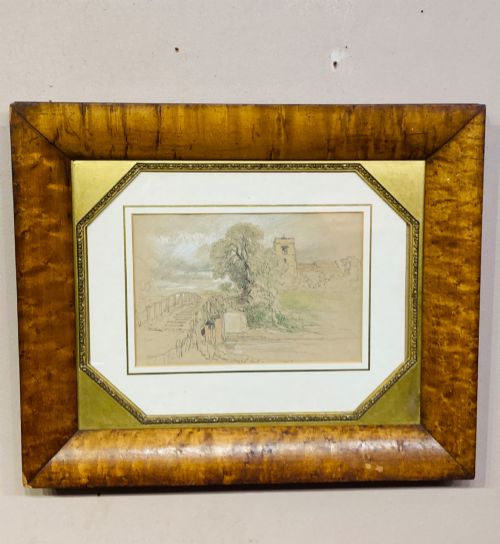
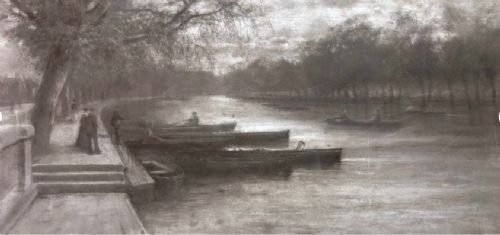
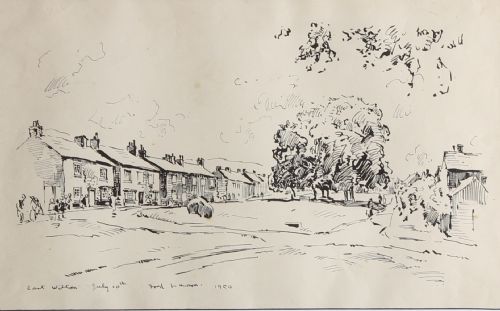
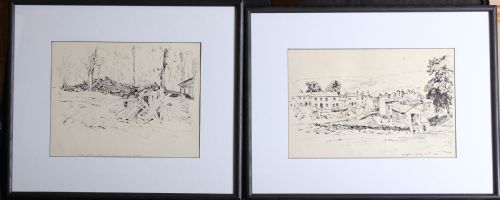
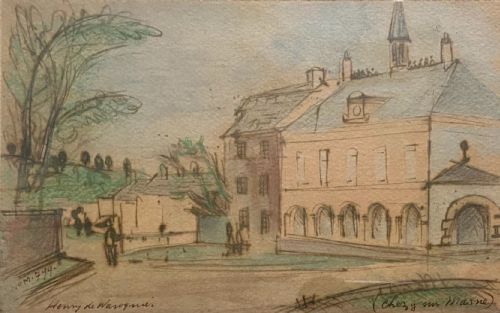
A framed antique landscape sketch brings the quiet observation of past centuries directly to a wall, offering drawn views executed in pencil, ink, and watercolour.
Framed Landscape Sketch
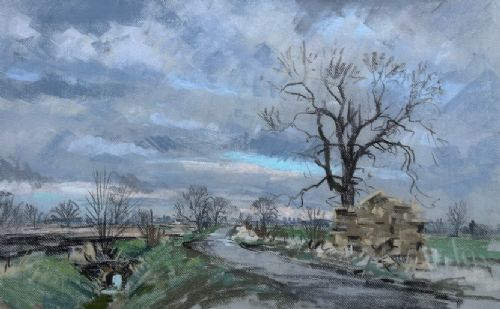
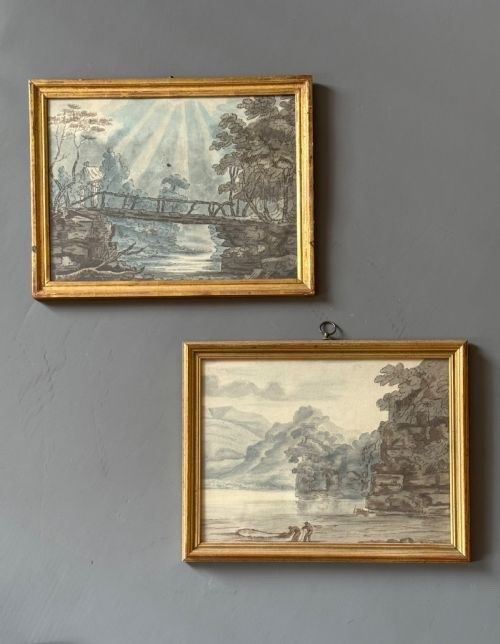
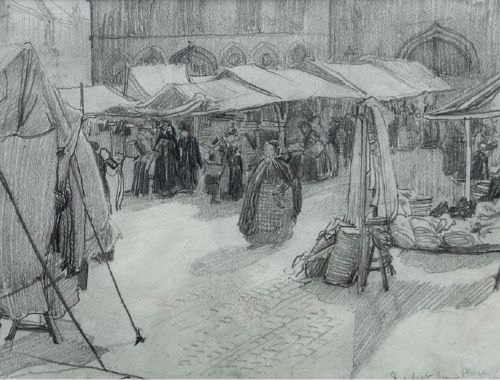
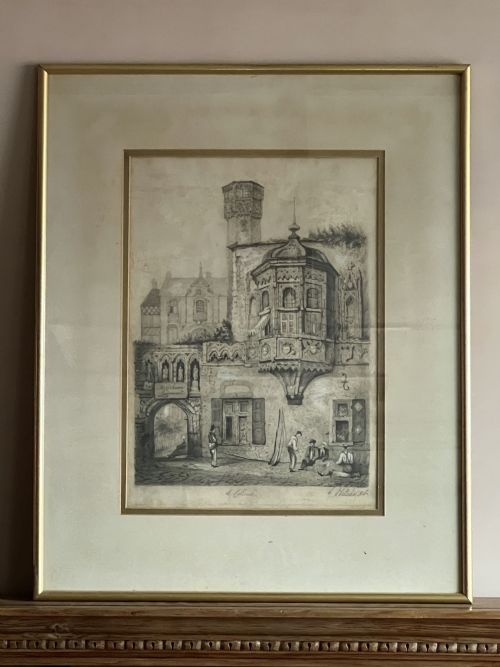
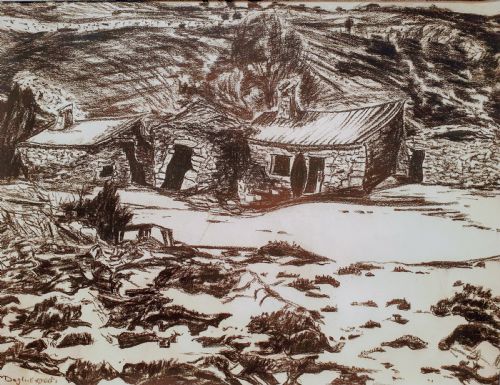
A framed antique landscape sketch represents original graphic works executed on paper, encompassing pencil drawings, charcoal renderings, and pen and ink studies from the eighteenth century through to the mid-twentieth century. Buyers searching for a framed antique landscape sketch encounter works spanning Georgian, Victorian, Edwardian, and early twentieth-century British periods.
The subjects extend from architectural studies and foreign townscapes to rural scenes and coastal views, often presented in period wood or gilt wood frames under glass. The pieces originate from diverse hands, ranging from named artists such as Fred Lawson to broader regional British and European schools.
How they were made
These works rely primarily on paper supports marked with pencil, graphite, charcoal, or pen and ink, frequently enhanced with watercolour washes to build tone and depth. Artists utilised traditional hand-drawn techniques executed on location or developed in studios from earlier field sketches.
Framing typically involves wood or gilt wood surrounds protecting the delicate paper medium beneath glass, preserving the fugitive qualities of early pigments and graphite lines from environmental damage.
Framed Landscape Sketch Retail Price Guide 2026
Typical asking prices for framed landscape sketch among the pieces listed under this phrase on Sellingantiques today, from the lower quarter to the upper quarter. They describe what is for sale here now, not the wider market.
Current listings feature landscape drawings spanning from the eighteenth century to the mid-twentieth century, executed in pencil, charcoal, and watercolour.
What varies in quality
Quality rests upon the sureness of the draughtsmanship, where confident handling of line and tonal wash distinguishes a masterly observation from a stiff copy. The sensitivity of the composition and the subtlety of light capture within the landscape dictate the visual standing of each piece.
The preservation of the paper support and the originality of the accompanying frame further determine the desirability of the artwork, as does the clarity of provenance linking the drawing to a documented hand or specific period.
Henry Percy Huggill·Hercules Brabazon Brabazon·Sir Francis Leggatt Chantrey·Thomas Monro·Thomas Lound·Fred Lawson
The Framed Landscape Sketch Glossary
- Pencil drawing
- A monochrome work executed with graphite on paper, valued for capturing immediate detail and preparatory precision.
- Watercolour
- A paint medium consisting of pigment suspended in a water-based solution, applied in translucent washes over paper to create luminous effects.
- Charcoal
- A dry drawing medium made from organic charred material, capable of producing deep blacks and wide tonal gradations.
- Gilt wood
- Timber frames covered with a thin layer of gold leaf or metallic gilt, common in nineteenth-century presentations.
- Wash
- A thin, transparent layer of diluted ink or watercolour applied across paper to establish shadow or background atmosphere.
Framed Landscape Sketch: Frequently Asked Questions
How should I hang a framed antique landscape sketch?
Keep works away from direct sunlight to prevent the fading of watercolour pigments and paper discoloration. Glass protection helps shield the delicate graphic mediums from ambient moisture and dust.
Ensure wall fixings match the weight of the wood or gilt frame. Stable indoor humidity prevents warping in the historic timber surrounds.
Are these sketches original works?
The selection consists of original hand-drawn and painted pieces rather than modern mechanical reproductions. Artists created each sheet directly using pencil, ink, charcoal, or watercolour.
Signatures, studio stamps, or period framing styles often provide additional context regarding their creation. Examining the surface reveals the genuine texture of the paper and medium.
How do I identify the period of a sketch?
Stylistic markers, framing methods, and paper types offer strong clues to a drawing's age. Eighteenth and nineteenth-century works frequently employ laid or early machine-made paper alongside hand-written inscriptions.
Clothes, architecture, and topographical details depicted in the landscape help narrow down the decade. Period framing materials also align with the prevailing tastes of Georgian or Victorian eras.
What is the difference between a sketch and a painting?
Sketches rely primarily on linear marks made by pencil, pen, or charcoal to capture form and composition swiftly. Paintings build up colour and opacity using wet mediums like oil or heavier layers of watercolour.
Many antique landscape works blur this boundary by combining ink linework with rapid watercolour washes. Both forms served as direct records of the artist's visual experience.