


Antique British Art Study
When you search for antique british art study, you open a window into working processes, preparatory works and finished compositions spanning multiple centuries.
Antique British Art Study
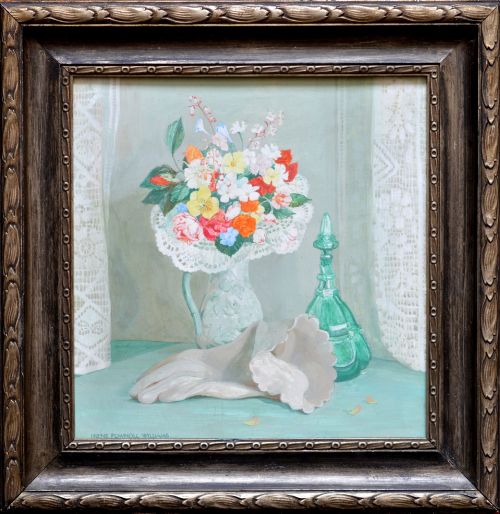
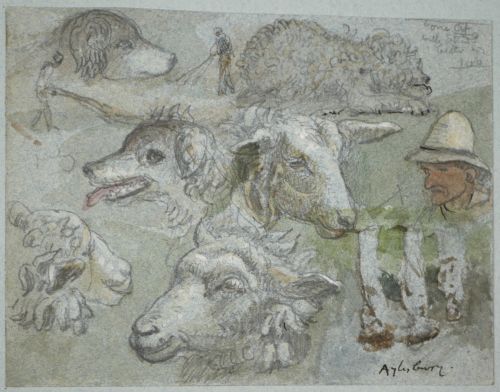
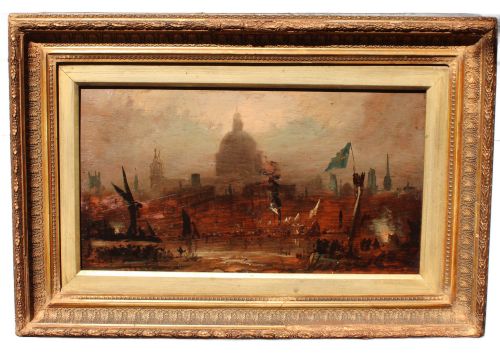
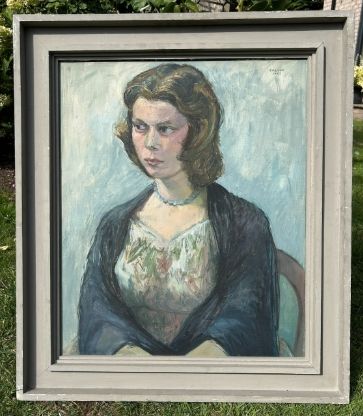
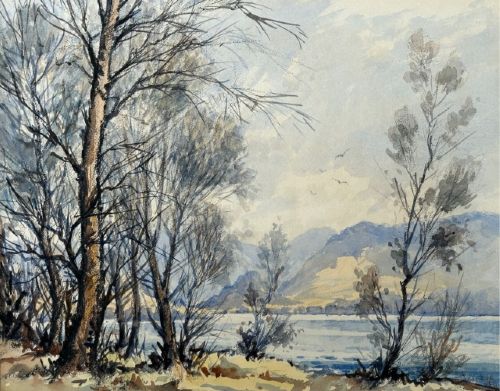
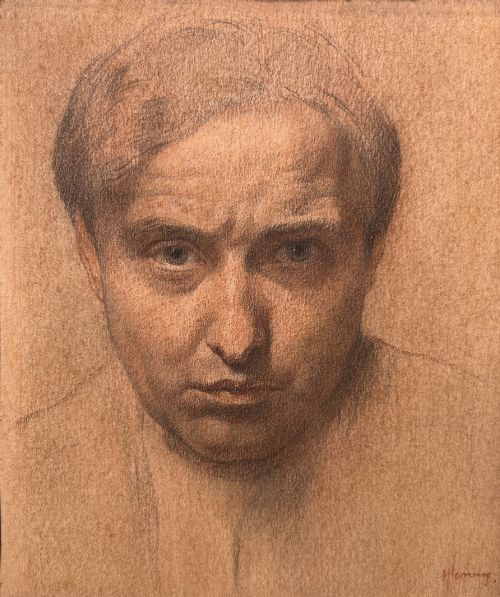
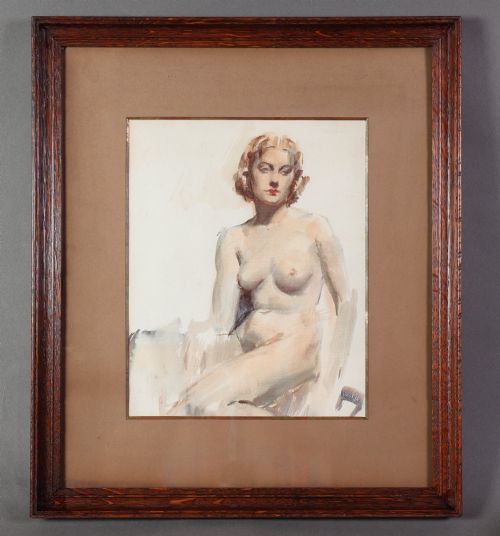
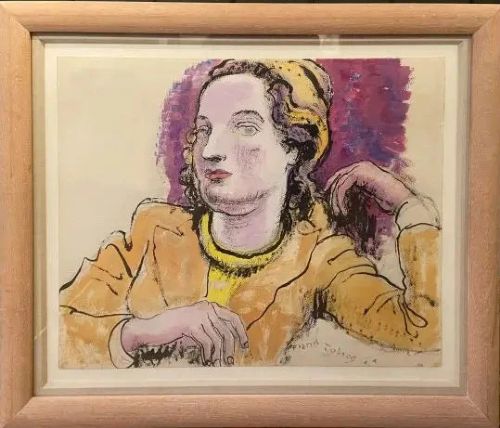
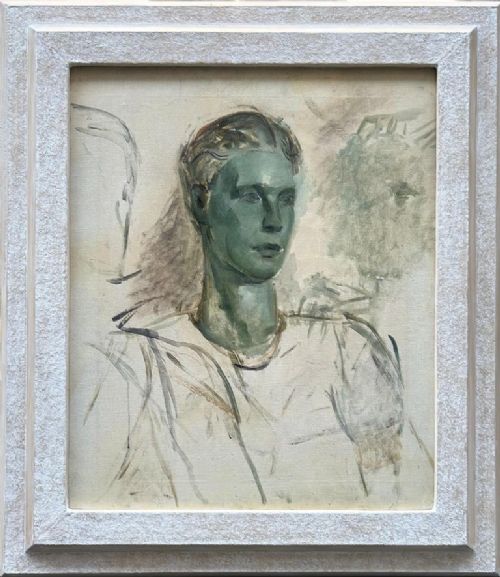
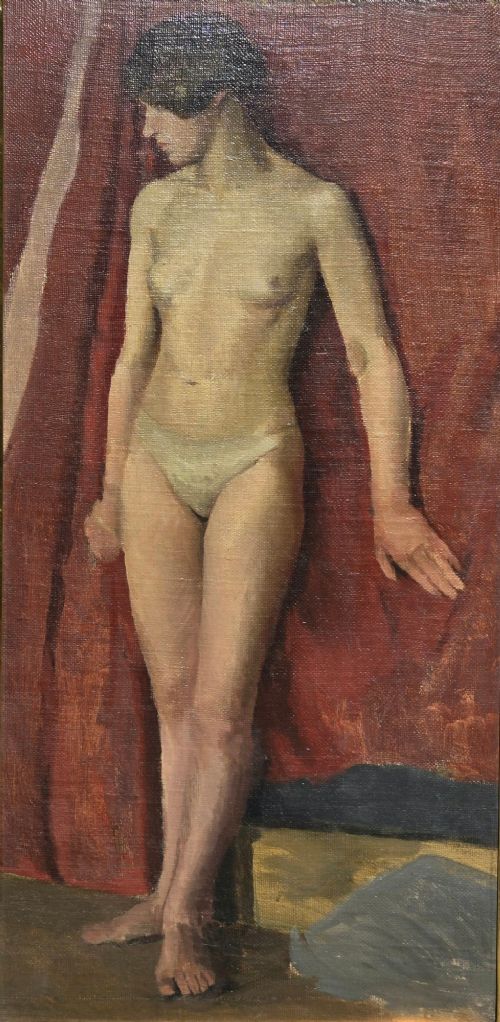
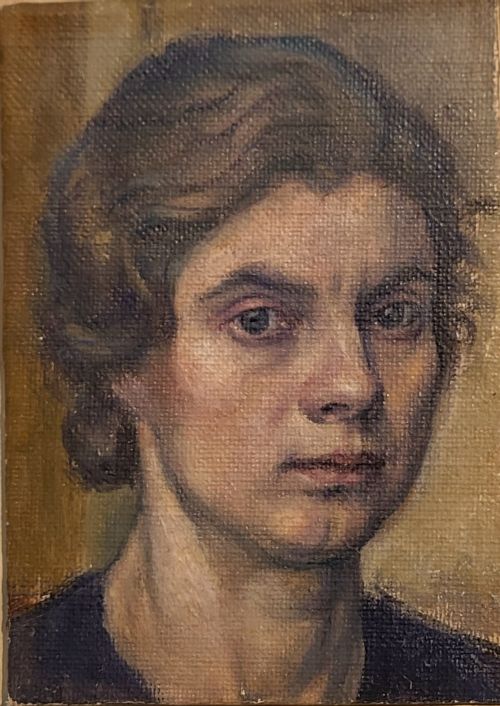
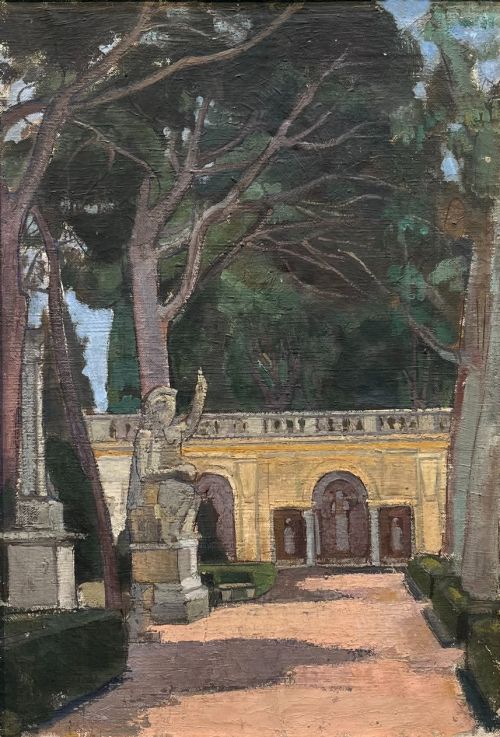
An antique british art study encompasses preparatory drawings, oil sketches, watercolours and finished paintings created across the nineteenth and twentieth centuries. These works record landscapes, figures, architecture and still life compositions by named artists and anonymous British School hands.
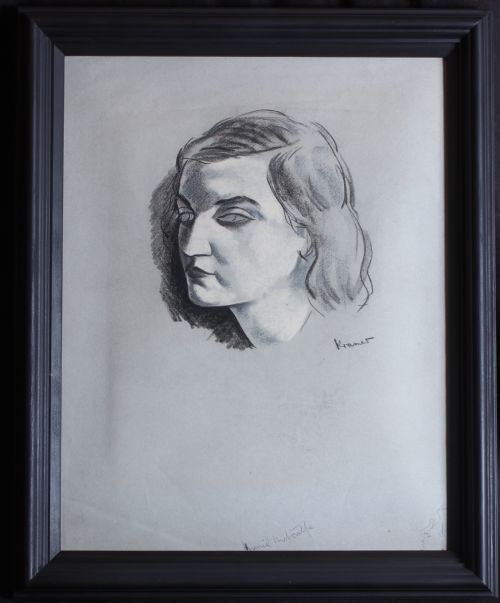
Buyers encountering this phrase meet rapid pencil sketches on paper alongside more deliberate oil paintings on canvas and wood panel. Examples range from early nineteenth century topographical views and portrait studies to modernist figuration from the interwar decades.
The material spans foundational graphite and ink drawings through to vibrant watercolours and rich oil paints applied to board, panel and canvas. Many pieces preserve the direct touch of the artist before a larger canvas or formal commission was undertaken.
Materials and methods
Works on paper utilise graphite, pen and ink, chalk and watercolour applied by hand, capturing immediate observations in studios or outdoors. Artists relied on quality paper stocks that retain their tone and texture over generations.
Panel and canvas works employ oil paint and tempera, often built up with visible brushwork that reveals the artist's working method. Wooden panels and stretched canvases provide stable grounds for these historical pigments and binders.
Framing and mounting materials reflect the period of creation, utilising gilt timber frames, card mounts and protective glass that safeguard delicate watercolours and oils from environmental changes.
Antique British Art Study Retail Price Guide 2026
Typical asking prices for british art study among the pieces listed under this phrase on Sellingantiques today, from the lower quarter to the upper quarter. They describe what is for sale here now, not the wider market.
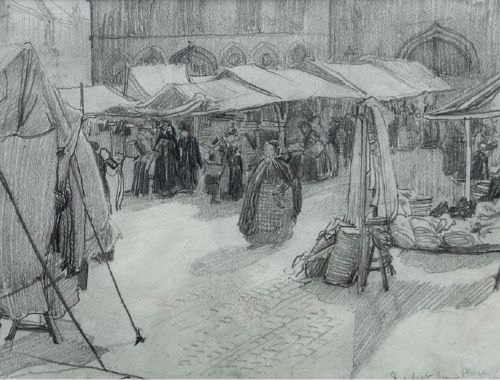
Several artists preferred sketching bustling market squares and domestic animals over formal portrait commissions.
Markers of distinction
The strength of draftsmanship and the confidence of line distinguish accomplished academic or professional handwork from casual student exercises. Confident handling of proportion, light and shadow elevates a preparatory sketch into a compelling visual statement.
Condition and preservation of the paper or paint surface play a significant role, where clean sheets without excessive foxing or stable paint layers without flaking command greater attention. The integrity of the original medium remains paramount.
Attribution and provenance provide context, where works associated with documented makers or identifiable topographical and historical subjects offer richer narrative value alongside aesthetic merit.
Augustus John·Sir Peter Markham Scott·Alfred Wolmark·William Etty·John Hoppner
The Antique British Art Study Glossary
- Study
- A preparatory drawing, sketch or painting executed to explore a subject or composition before creating a final finished work. These pieces prioritise direct observation over polished perfection.
- Provenance
- The documented history of ownership of an artwork from its creation to the present day. Clear provenance helps verify authenticity and past exhibitions.
- Watercolour
- A painting method in which the pigments are suspended in a water-based solution on paper. This medium allows for transparent washes and luminous effects.
- British School
- A designation applied to works of art created by British artists whose specific individual identities remain unrecorded. It groups regional styles and shared academic traditions.
- Tempera
- A permanent, fast-drying painting medium consisting of coloured pigment mixed with a water-soluble binder such as egg yolk. It creates a matte surface prized for still life and detail.
Antique British Art Study: Frequently Asked Questions
What is the difference between a study and a finished painting?
A study is typically a preparatory or exploratory work where an artist records lighting, composition or anatomy without intending it for immediate exhibition. These pieces often feature loose brushwork or visible pencil lines.
Finished paintings are executed with a higher degree of polish, detail and resolution for public display or sale. Studies offer a direct glimpse into the artist's working process.
How should I care for antique works on paper?
Works on paper require protection from direct sunlight and high humidity to prevent fading, discoloration and the growth of mould. Framing behind conservation-grade glass helps block harmful ultraviolet rays.
Display these pieces in rooms with stable temperatures away from direct heat sources. Periodic checks by a conservator ensure the paper and mounting materials remain stable.
Where were these art studies traditionally created?
Artists produced these studies both inside formal academy studios and outdoors during plein air excursions across Britain and continental Europe. Sketchbooks accompanied painters on travels to record landscapes and architecture.
Institutional settings like art schools also generated numerous life drawings and still life exercises by students and instructors alike.