


Framed Sepia Picture
A framed sepia picture brings monochrome depth and historical character to a wall.
Framed Sepia Picture
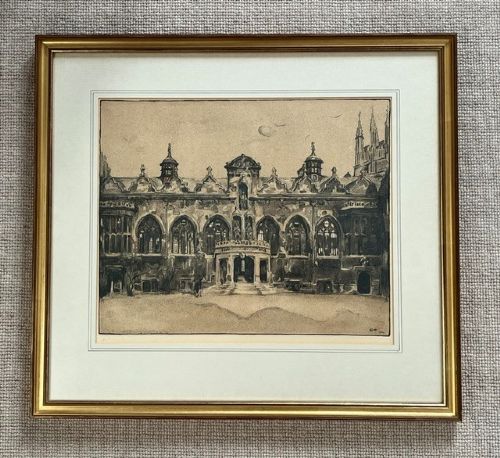
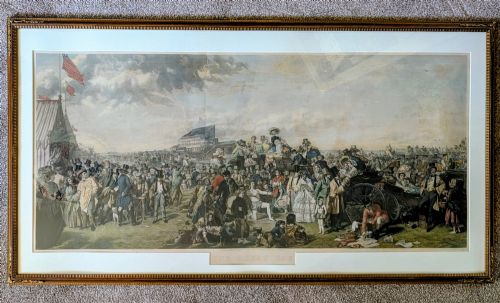
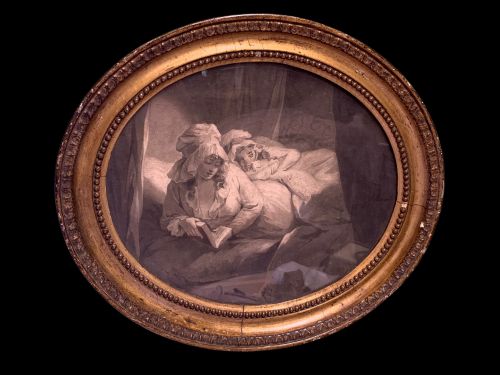
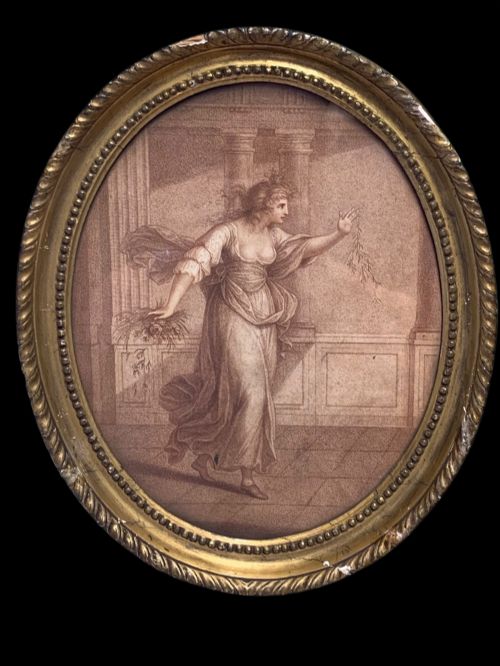
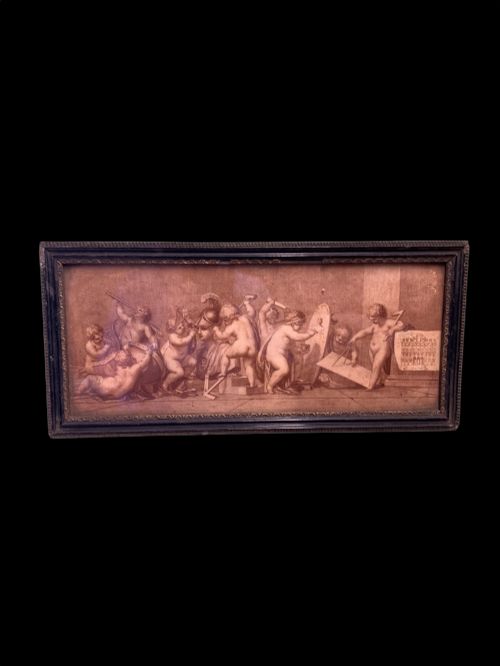
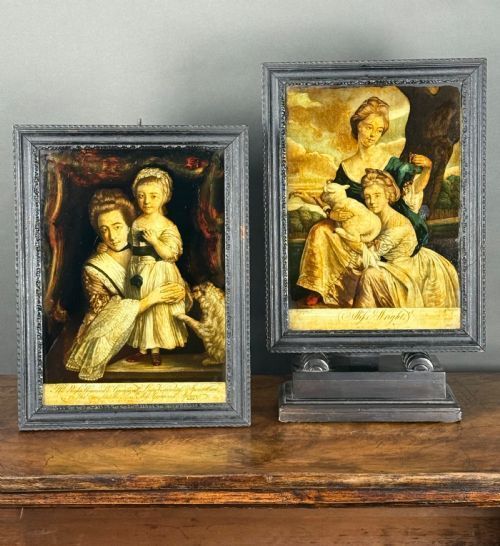
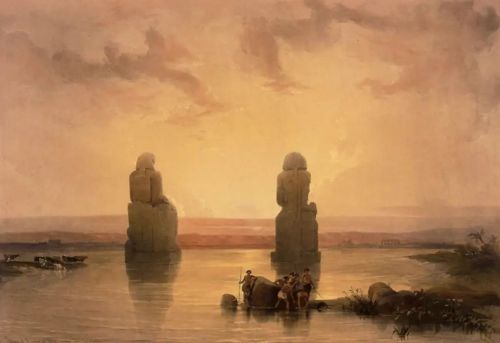
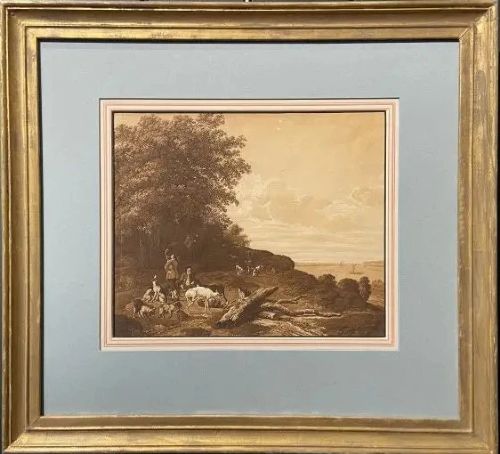
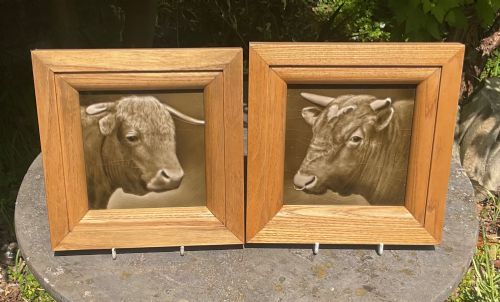
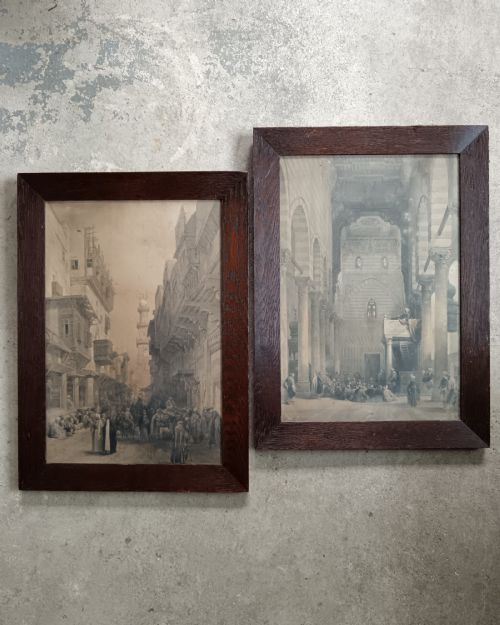
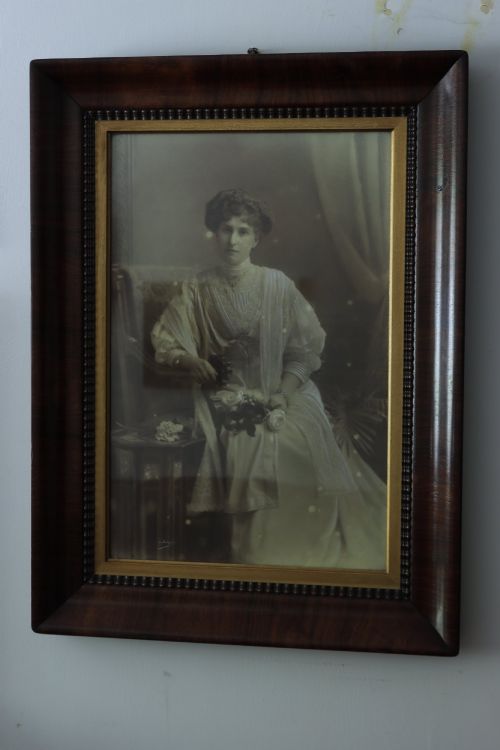
When you search for a framed sepia picture, you encounter works spanning from the eighteenth century through to the mid-twentieth century. The selection includes etchings, engravings, photographs, and watercolours rendered in warm, monochromatic brown tones.
You are most likely to meet nineteenth-century prints and early twentieth-century photographs housed in their original wooden or glazed surrounds. These pieces capture diverse subjects ranging from maritime scenes and architectural studies to portraits and sporting events.
How they were made
The works utilise paper, ink, and watercolour, often preserved beneath protective glass and secured within wooden frames of oak, gilt, or burr. Printers and artists employed techniques such as stipple engraving, lithography, etching, and early photography to produce the tonal brown imagery.
Makers frequently mounted prints and photographs onto card before housing them in period surrounds, occasionally incorporating gold leaf detailing on the interior liners to complement the monochrome palette.
Periods range from eighteenth-century engravings to mid-twentieth-century drawings.
What varies in quality
The distinction between tiers rests upon the sharpness of the plate impression in engravings and the depth of the monochrome tones across photographic and ink surfaces. Finer examples retain crisp detailing in the linework without fading or discolouration to the paper ground.
The integrity of the housing matters equally, with original period frames matching the era of the artwork rather than later replacements enhancing the overall coherence of the piece.
Sir William Nicholson·Herbert Dicksee·David Roberts·James Dobie·Hercules Brabazon Brabazon
The Framed Sepia Picture Glossary
- Etchings
- Intaglio prints produced by acid biting into a metal plate to hold ink. The resulting lines show distinct character under magnification.
- Engraving
- A technique where an artist cuts lines directly into a metal plate with a burin. This produces sharp, precise details on paper.
- Lithography
- A planographic printing process based on the repulsion of oil and water. It allows for smooth tonal gradations in monochrome prints.
- Mezzotint
- A tonal method of engraving that achieves rich dark areas and subtle mid-tones. It creates a velvety surface texture.
- Stipple engraving
- A method of creating prints using a pattern of dots rather than continuous lines. This technique yields softer tonal transitions.
Framed Sepia Picture: Frequently Asked Questions
What periods do these pictures span?
The works originate from multiple centuries, with significant representation from the eighteenth, nineteenth, and early twentieth periods.
Styles shift from Georgian neoclassical compositions to Victorian realism and Edwardian photographic prints.
Are the frames original?
Many pieces retain their period surrounds, including original oak, gilt, and burr wooden frames.
These housings often date directly to the creation of the artwork or photograph inside.
What subjects are common?
Common subjects include maritime scenes, architectural views, racehorses, hunting dogs, and portraiture.
Artists and photographers documented both British landscapes and continental travels.
How do I care for them?
Keep the pieces away from direct sunlight to prevent the sepia tones and paper grounds from fading.
Maintain stable indoor humidity to protect the vintage wooden frames and paper.