


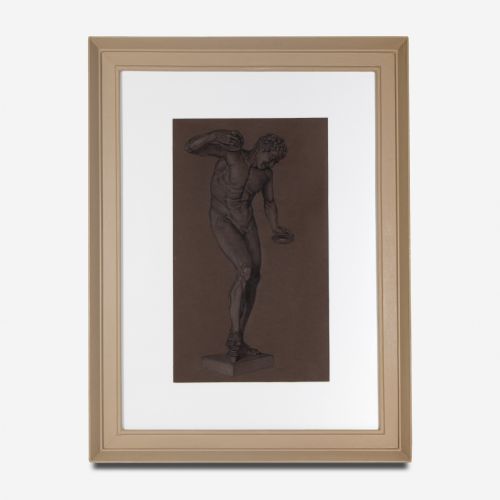


Charcoal Nude Drawing
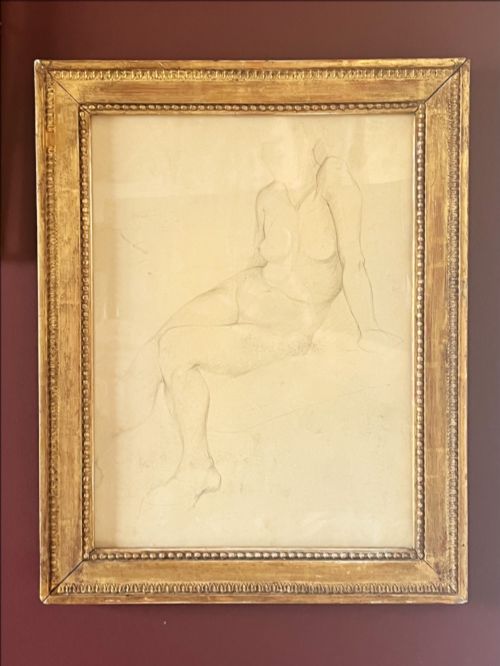
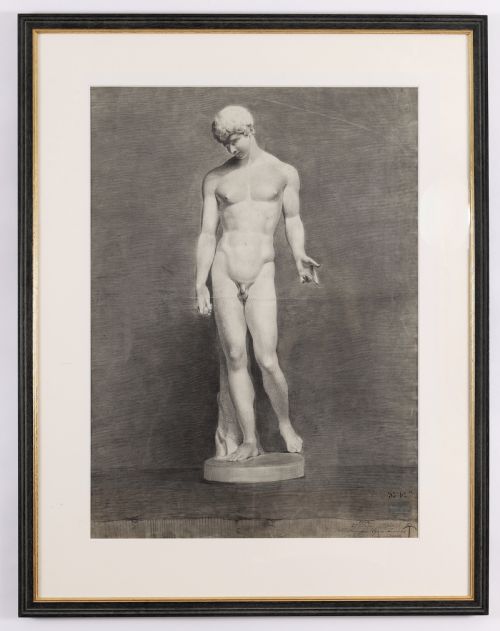
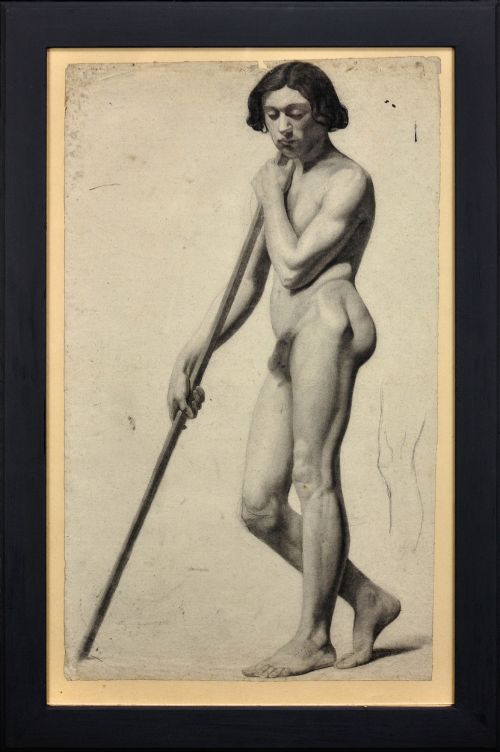
These charcoal nude drawing works range from nineteenth century academic life studies to mid century modern pieces, offering dramatic tonal work for the collector.
Charcoal Nude Drawing
A charcoal nude drawing captures the human form using rich black medium applied to paper, often as a life study or academic exercise. When you search for charcoal nude drawing, you encounter works spanning the nineteenth century through the mid twentieth century, including pieces by named artists and anonymous school studies.
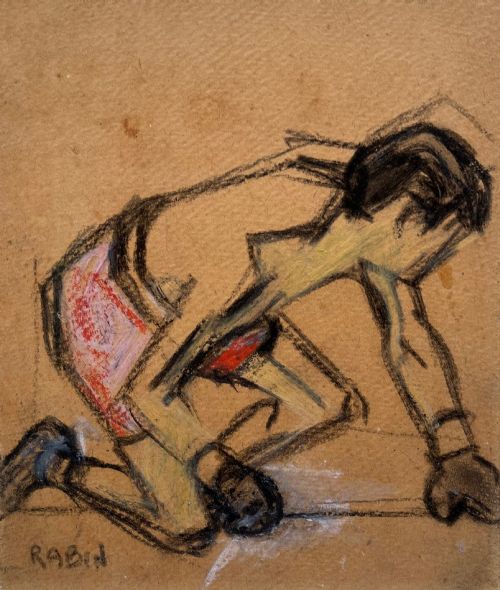
The selections on this page encompass original framed artwork, fine art drawings, and wall art. You find female and male nudes rendered in academic realism, neoclassical styles, cubism, and modern British approaches.
The origins stretch across English, French, and Italian schools, showing both intimate sketches and large framed gallery pieces. Many examples arrive mounted behind glass in wood or gilt frames.
How they were made
Artists executed these works primarily on paper and toned paper using charcoal, chalk, graphite, and pastel. Draftsmen built shadow and contour through dense black strokes alongside white or red chalk highlights.
Makers framed their drawings behind protective glass within wooden and antique gilt frames to preserve the fragile medium. The technique relies on smudging, hatching, and precise line work to model musculature and form.
Several models held strenuous poses for hours so artists could capture every muscle of a crouched stance or petanque game.
What varies in quality
The skill of the draughtsman dictates the depth of anatomical accuracy and tonal control across the paper surface. Stronger examples display confident handling of shadow, light, and proportion in capturing the live model.
The preservation of the charcoal and chalk medium, along with the integrity of the original wood or gilt frame, influences the piece. Superior works maintain crisp contrast without excessive smudging of the delicate pigment.
Samuel Rabin·Henry Arthur Roberts·Demetrios Galanis·Winifred Eugene Ballard·Frank Dobson·L Ducourant
The Charcoal Nude Drawing Glossary
- Academic Realism
- A style of painting and drawing produced under the influence of European academies of art, emphasising precise anatomical study from the live model.
- Bodycolour
- Watercolour paint rendered opaque by the addition of a white pigment, often used alongside charcoal or chalk to create highlights.
- Toned Paper
- Paper that has been given a light tint, typically grey, brown, or tan, allowing the artist to work up both dark charcoal shadows and white chalk highlights.
- Deux Crayon
- A drawing technique utilising two distinct colours of chalk or crayon, commonly black and red, on tinted paper to model form.
Charcoal Nude Drawing: Frequently Asked Questions
How do I hang a framed charcoal drawing?
Keep drawings out of direct sunlight to prevent fading of the paper and charcoal medium.
Ensure the room humidity remains stable to protect the antique wood and gilt frames.
What is an academic life study?
An academic life study is a detailed drawing of a human model produced as part of formal art training. These works focus heavily on accurate proportions and musculature.
Artists often created them in art schools or studios under the guidance of instructors.
Are these drawings original works?
The listings consist of original hand-drawn works on paper rather than mass-produced prints. Each piece represents a unique application of charcoal, chalk, or graphite by the artist.
Some items include historical reproductions after classical sculptures or earlier masters.