


Antique Charcoal Artwork
Antique charcoal artwork brings direct, unvarnished draughtsmanship into a room through moody landscapes, striking life studies and expressive portraits.
Antique Charcoal Artwork
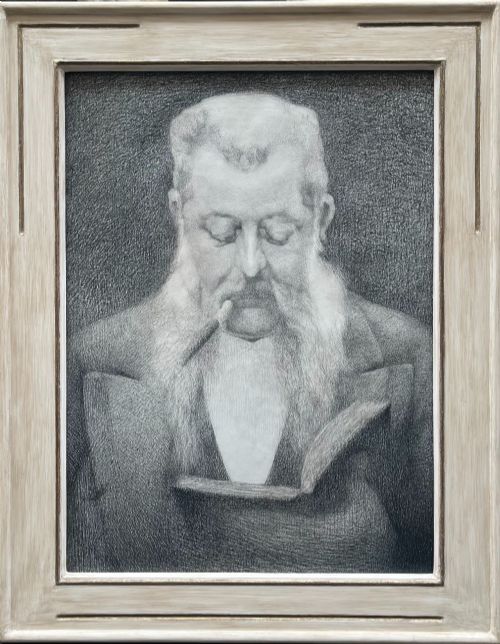
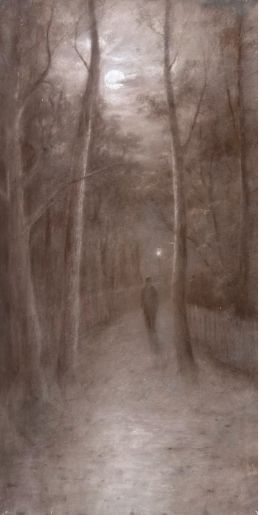
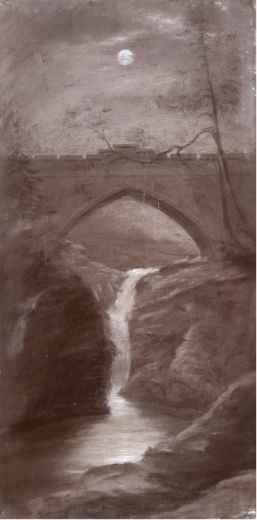
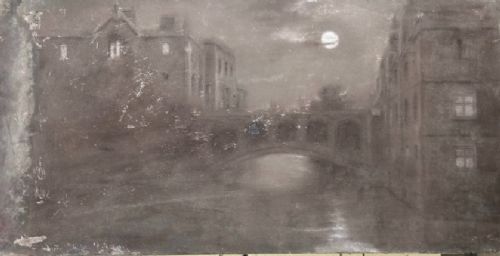
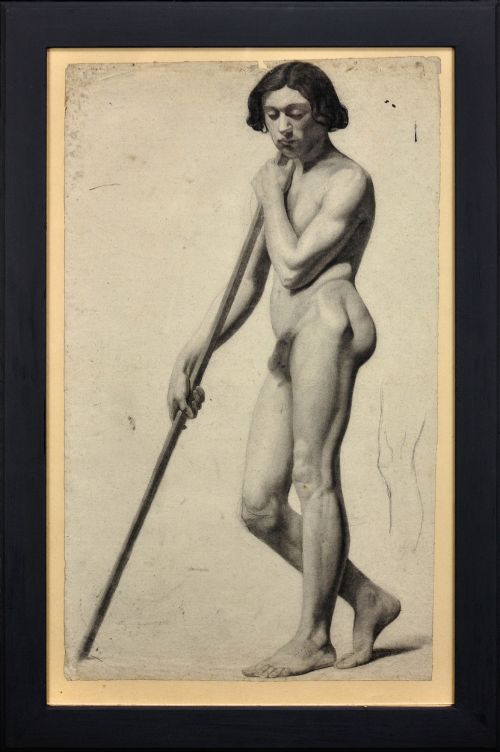
When you search for antique charcoal artwork, you encounter original drawings and studies executed primarily on paper or canvas using carbon-based sticks, often supported by chalk, graphite, or pastel. The selection spans the eighteenth, nineteenth, and early twentieth centuries, encompassing Academic Realism, Victorian portraiture, and early modernist experiments.
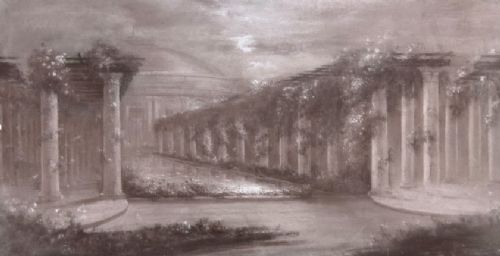
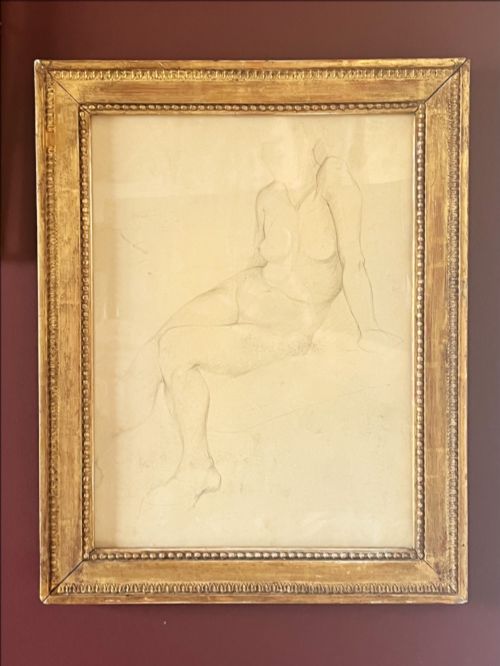
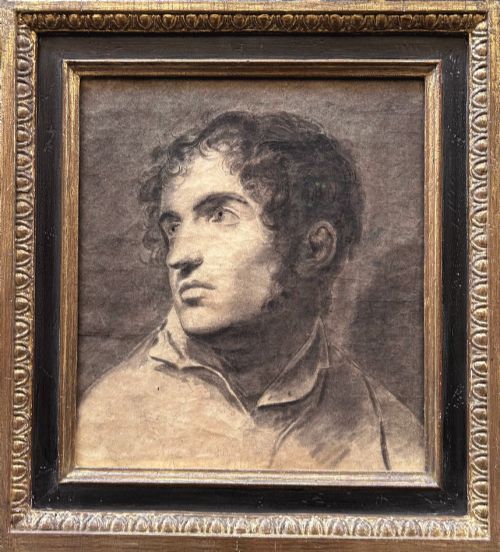
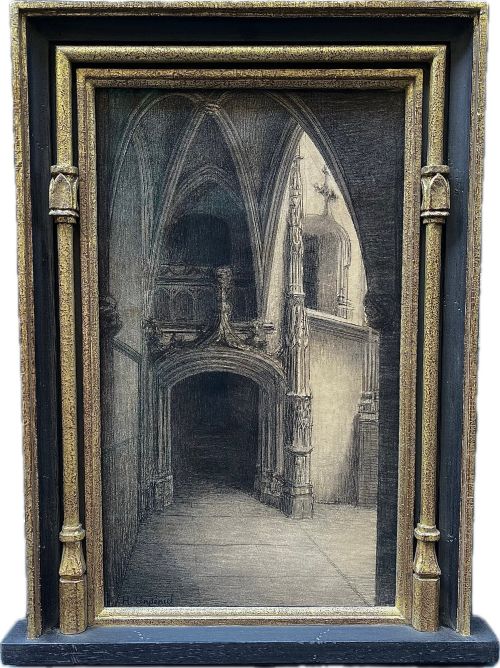
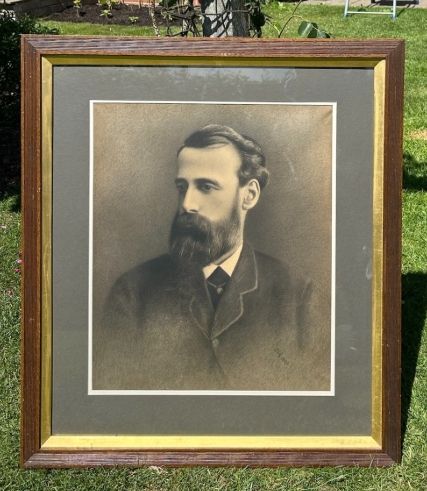
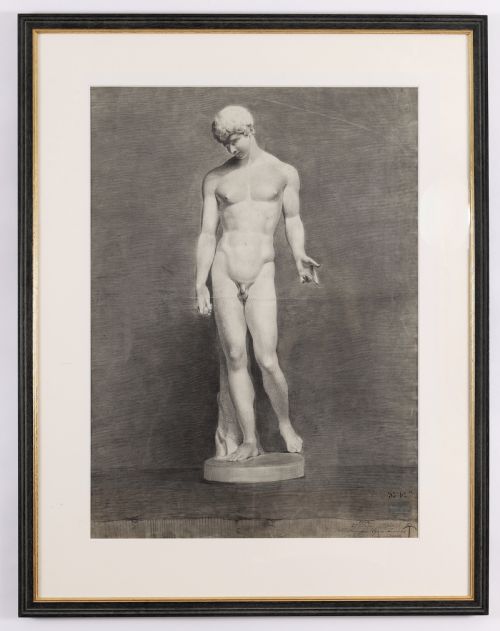
The most common formats on this page are framed portrait studies and atmospheric topographical landscapes reflecting nineteenth-century academic training and the broader currents of European art schools. These works range from tightly rendered classical casts to rapid plein-air sketches captured by British, French, and Belgian hands.
How they were made
Artists worked powdered carbon and compressed vine charcoal onto heavy textured paper or prepared canvas, frequently building tonal depth with white chalk highlights or graphite underdrawing. The support itself varies from delicate antique laid paper to coarse canvas, determining how deeply the medium settled into the grain over decades.
Framing forms an integral part of survival, with many surviving examples preserved behind protective glass within period giltwood or heavy moulded timber frames that guard the friable medium from atmospheric disturbance.
Listings span the nineteenth and early twentieth centuries, featuring British and European landscape, portrait, and nude studies on paper and canvas.
What varies in quality
Quality rests primarily on the sureness of the hand and the preservation of the tonal register, separating timid student exercises from confident master draughtsmanship. A work possesses greater visual power when the artist exploits the dense blacks and subtle grey mid-tones of charcoal to create genuine atmosphere rather than flat shading.
The integrity of the surface condition also dictates standing, as unvarnished charcoal smudges easily over time, making pieces preserved behind clear glass with minimal pigment loss significantly more desirable to collectors.
Henri Charles Angéniol·Leopold Halvoet·John Hoppner·Winifred Eugene Ballard·John Macallan Swan·J D Fergusson
The Antique Charcoal Artwork Glossary
- Academic Realism
- A style of painting and drawing produced under the influence of European academies of art, prioritising strict anatomical accuracy and traditional subjects.
- Vine charcoal
- A lightweight drawing medium made from burnt twigs, producing a soft, easily erasable line that lends itself to expressive sketching.
- Deux crayon
- A drawing technique utilising two coloured chalks or pencils, commonly black and white on toned paper, to create immediate highlights and shadows.
- Plein-air
- The practice of painting or drawing outdoors to capture direct observations of landscape and shifting natural light.
- Trench art
- Objects made by soldiers and civilians from the detritus and materials of war, including battlefield drawings produced during active conflict.
Antique Charcoal Artwork: Frequently Asked Questions
Are these drawings original works?
The pieces listed are hand-drawn original works created directly by the artist rather than mass-produced reproductions or modern prints.
Each drawing shows unique hand pressure, paper grain, and tonal variations distinctive of individual artistic execution.
How do I identify nineteenth-century drawings?
Examine the paper type, framing construction, and stylistic conventions such as academic life studies or landscape tonalism typical of the period.
Signatures, dates, and inscriptions written on the reverse or front often provide direct documentation of the drawing's origin.
Why do some drawings use chalk alongside charcoal?
Artists added white chalk or pastel to introduce highlights, giving depth and luminosity to dark garments, flesh tones, or stormy skies.
This mixed technique, sometimes called deux crayon, maximises contrast across monochrome compositions.