


19th Century Charcoal Portrait
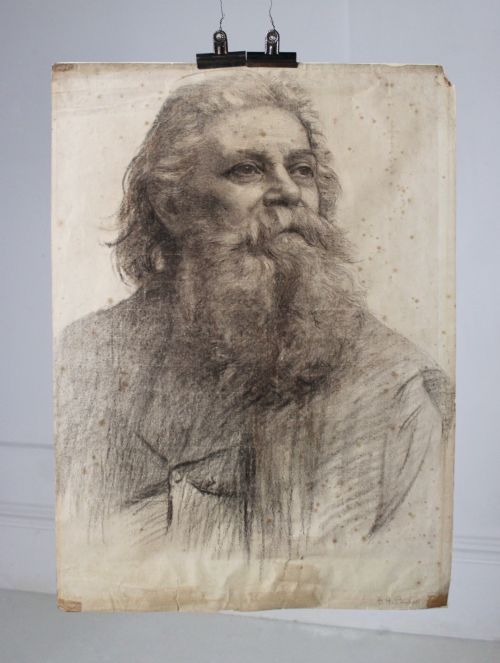
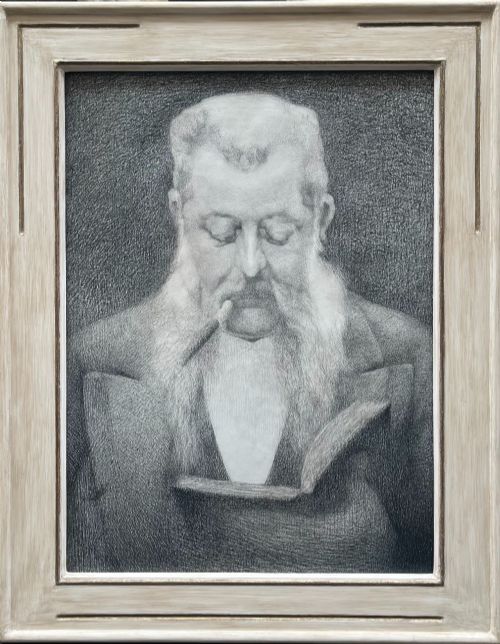
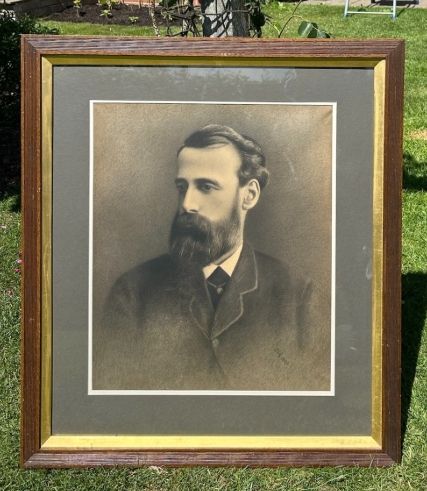
A 19th century charcoal portrait captures the direct, monochrome gaze of the Victorian era on paper.
19th Century Charcoal Portrait
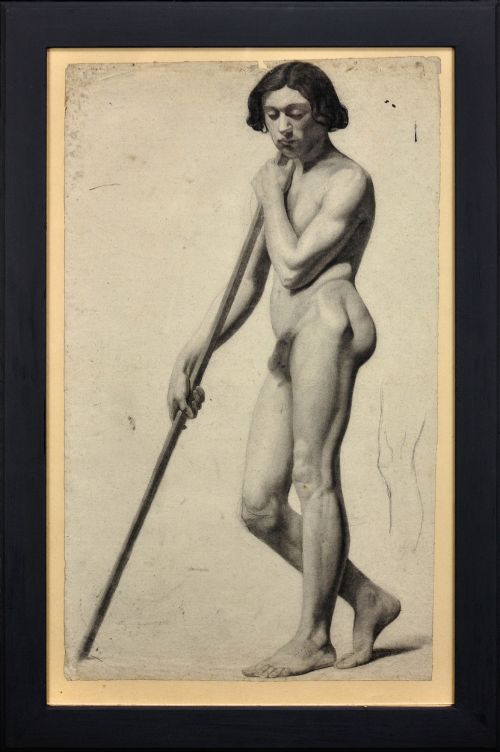
These works present the human face through the intimate, immediate medium of charcoal on paper, capturing subjects from gentlemen and ladies to academic life studies and Orientalist figures.
A buyer examining this page will most frequently encounter original Victorian and Edwardian framed portrait drawings, alongside French academic and Symbolist studies from the same period.
The subjects range from named sitters and literary figures to anonymous studies, executed with varying degrees of finish from rapid sketches to highly detailed academic drawings.
Distinctions in quality
The distinction between standard and superior pieces rests upon the anatomical precision and expressive power of the draughtsmanship, particularly evident in academic life studies.
Works attributed to documented artists or produced within established schools such as French academicism generally display a higher level of compositional control than anonymous school pieces.
One unexpected survivor includes a landscape painting featuring a hidden charcoal self-portrait tucked away on the reverse.
Henry Arthur Roberts·Theobald Chartran·George Richmond·Cecil CP Lawson·Thomas Sidney Cooper
The 19th Century Charcoal Portrait Glossary
- Academic Realism
- A style of painting and drawing produced under the influence of European academies of art, prioritising accurate anatomy and classical finish.
- Graphite
- A form of crystalline carbon used alongside charcoal for fine lines and detailed shading in nineteenth-century drawings.
- Toned Paper
- Paper coloured in neutral grey, brown or blue hues, allowing artists to add highlights with chalk and shadows with charcoal.
- Orientalism
- The imitation or depiction of aspects of Eastern cultures in the West, often seen in nineteenth-century portraits of Arabian subjects.
- Symbolist
- A late nineteenth-century movement that rejected realism in favour of spiritual and metaphorical expression.
19th Century Charcoal Portrait: Frequently Asked Questions
How should I hang a charcoal portrait?
Keep the framed drawing away from direct sunlight to prevent the paper from yellowing and the charcoal from fading over time. Ensure the room maintains stable humidity levels to protect both the paper support and the wood frame.
Use picture wire and secure wall fixings suited to the weight of the glass and wooden frame. Professional framing with acid-free backing boards helps preserve the drawing for future decades.
Are these works always signed?
Many nineteenth-century portrait drawings remain unsigned, as they were created as informal studies, academic exercises, or preparatory sketches rather than finished exhibition pieces. Anonymous works were frequently produced within art schools or private studios.
Signed pieces usually bear the artist's monogram, signature, or a period inscription in graphite or ink near the margin. Attribution for unsigned works relies upon style, period materials, and documentary comparison.
What is toned paper?
Toned paper is tinted in a neutral shade such as grey, buff, or pale blue, providing a middle value ground for the drawing. This allows the artist to work simultaneously towards dark shadows with charcoal and bright highlights with white chalk.
The coloured background unifies the composition and reduces the time needed to cover a stark white sheet of paper.
How do I distinguish academic studies from portraits?
Academic studies generally focus on the male or female nude, life models, or specific anatomical poses intended for training within institutions like the French academy. They emphasise form, muscle structure, and lighting over individual identity.
Portraits typically depict clothed sitters, often named, with attention given to likeness, expression, and social status. Both forms utilise the same charcoal and chalk mediums common to the nineteenth century.