


Oak Framed Portrait
An oak framed portrait brings together historic subjects and sturdy timber surrounds, offering a direct link to past centuries through paint, canvas and glass.
Oak Framed Portrait
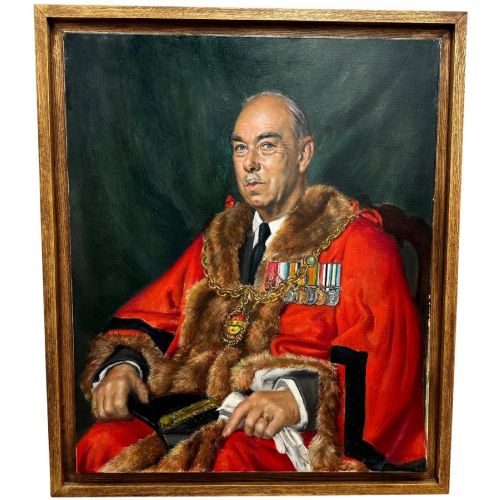
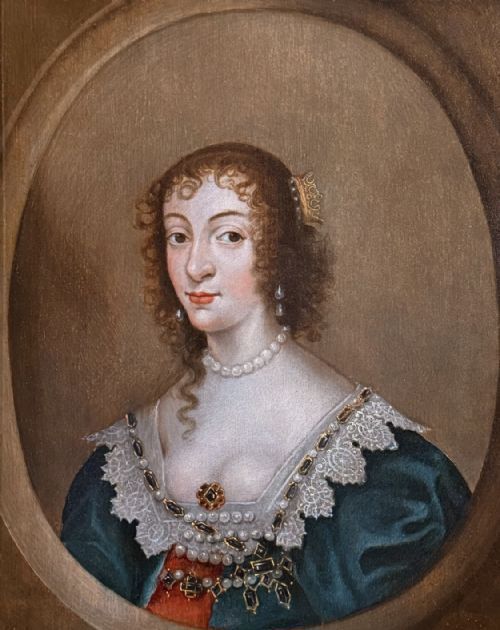
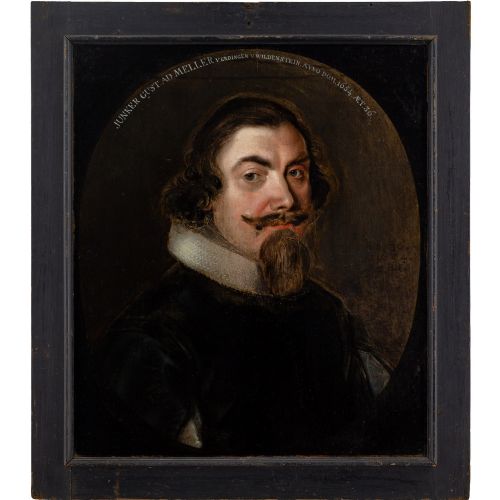
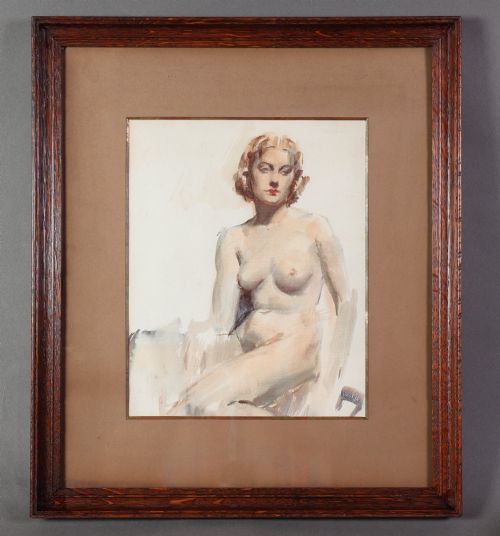
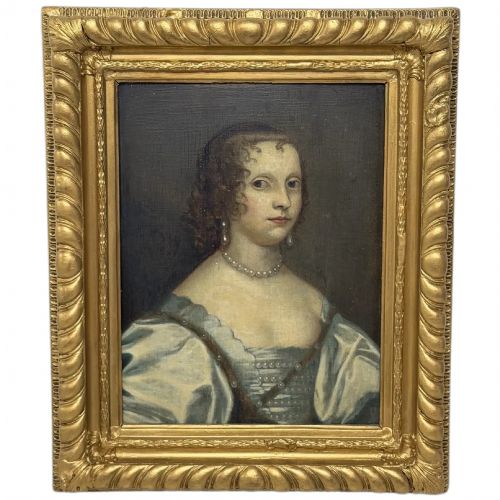
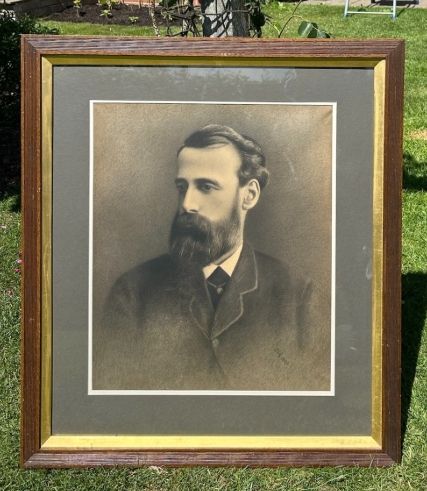
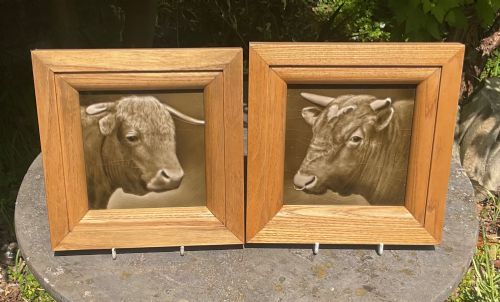
An oak framed portrait is a piece of wall art depicting a person or animal, enclosed within a timber border made of oak. The subjects range from 17th-century nobility and Victorian gentlemen to First World War soldiers and royal figures.
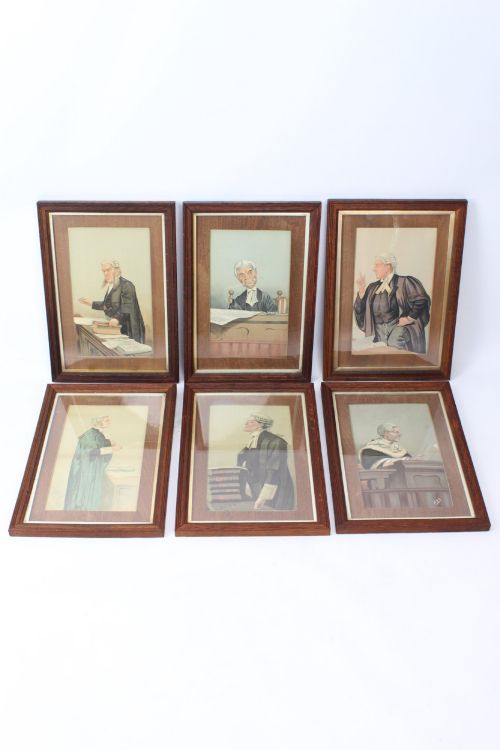
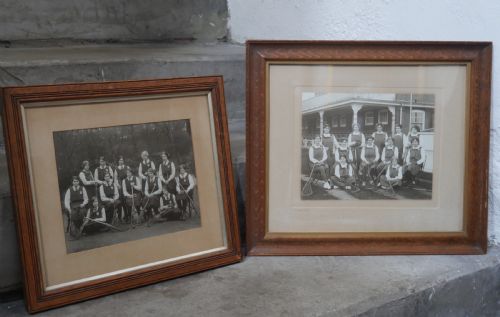
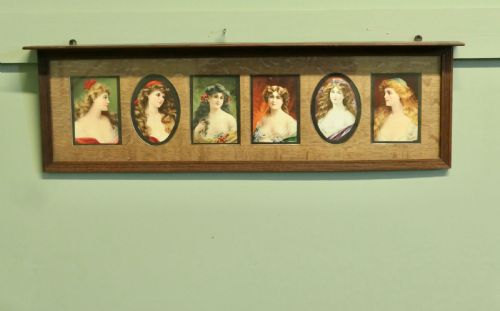
Buyers frequently meet works executed in oil paint on canvas or oak panel, alongside charcoal drawings, watercolours, photographs and engravings. These pieces span multiple eras, including the 17th century, the Victorian period and the Edwardian age.
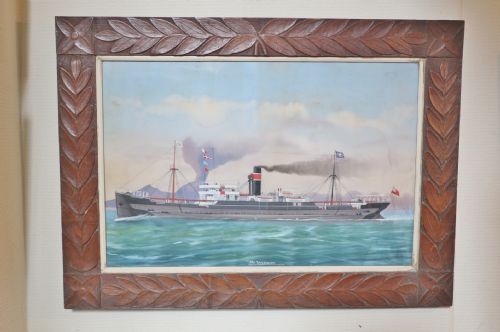
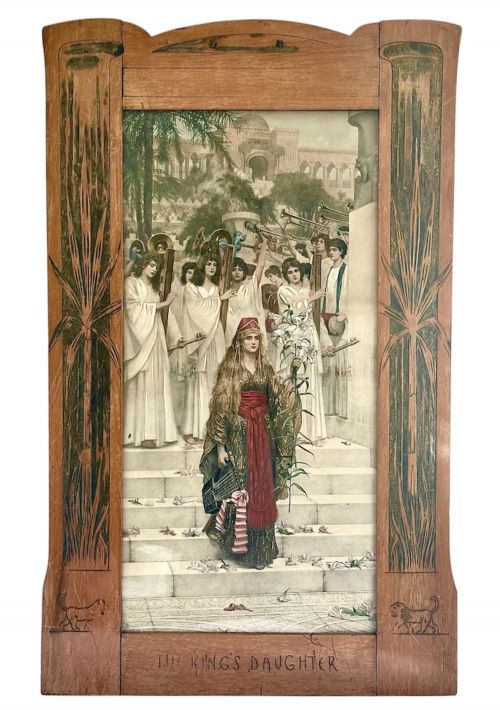
The housing for these artworks varies from simple wooden mouldings to stepped oak frames bearing presentation plaques or protective glass.
How they were made
Makers utilised traditional supports such as canvas, oak panels, paper and card to receive oil paint, watercolours, ink and charcoal. Many works employ oil paint applied by hand, capturing fine details of dress and expression.
The enclosing frames rely on timber joinery, utilising oak alongside materials like glass to protect the delicate surfaces of paintings, prints and photographs from environmental damage.
Listings feature works spanning from the seventeenth century to the mid-twentieth century, utilising oil paint, watercolour, charcoal and photography.
What varies in quality
The distinction between ordinary and exceptional works rests upon the skill of the artist and the condition of the materials. Fine brushwork and precise anatomical rendering separate professional academic portraits from naive or provincial efforts.
The integrity of the oak frame also influences the overall standard, with original period surrounds, carved details and intact presentation plaques elevating the historical significance of the piece.
Bernard Hailstone·Herbert Gustave Schmaltz·Kershaw Schofield·Herbert Dicksee·Walter Herbert Wheeler·George Lance
The Oak Framed Portrait Glossary
- Oil paint
- A slow-drying paint made by mixing pigments with a drying oil, commonly used on canvas or panel supports throughout the centuries.
- Oak panel
- A rigid wooden support constructed from oak timber, frequently utilised in early portraiture before canvas became widespread.
- Portrait miniature
- A small-scale painted likeness, often created on ivory or card and housed within a protective glazed enclosure.
- Photogravure
- A printmaking technique that produces a photographic image on paper through the use of a metal printing plate.
- Naive portrait
- A work created by an untrained or self-taught artist, characterised by flat perspective and direct observation.
Oak Framed Portrait: Frequently Asked Questions
What periods do these portraits cover?
The selection spans several centuries, reaching from the seventeenth century through the Victorian and Edwardian eras into the twentieth century. Each period brings distinct clothing styles and artistic techniques.
Earlier pieces often feature panel supports and formal attire, while later examples include photographic prints and twentieth-century realism.
Are the frames original to the artwork?
Many pieces retain their original wooden surrounds, which range from simple mouldings to stepped oak frames bearing historical plaques. These enclosures often reflect the fashion of the era in which the portrait was created.
Matching the timber tone and construction style helps determine whether the frame and the artwork have a shared history.
What subjects appear in these works?
Subjects include historical figures, military personnel, royalty, and everyday individuals from past eras. Alongside human portraits, listings occasionally feature animals such as dogs and horses.
Inscriptions on the reverse or on attached plaques frequently identify the sitters and provide dates for the work.
How should I care for an antique oak framed portrait?
Protect the artwork by keeping it away from direct sunlight and fluctuating humidity levels to preserve the paint, canvas and paper. Gentle dusting with a dry cloth keeps the oak frame clean without harming the finish.
Avoid using liquid cleaners on the wooden surfaces or the exposed painted areas.