


Signed Victorian Portrait
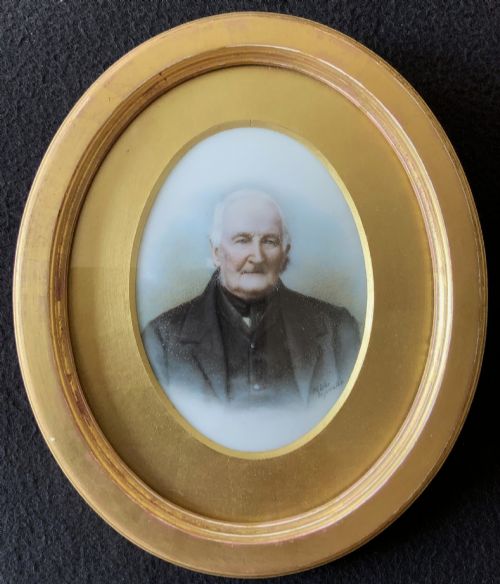
A signed victorian portrait captures individual likeness through the hand of a named maker working in oil, watercolour, pencil, bronze, or porcelain.
Signed Victorian Portrait
The works originate across Britain, Europe, and beyond, spanning various dates within the 19th century and extending into the early decades of the 20th century. Oil paintings and watercolours dominate the selection, often accompanied by sculptural bronze plaques and miniature studies on glass or paper.
How They Were Made
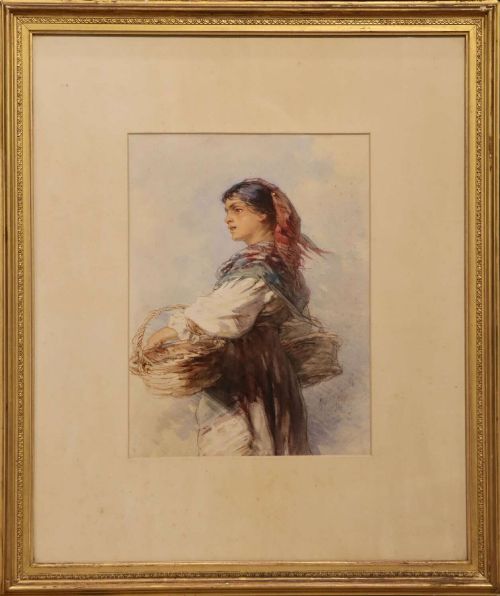
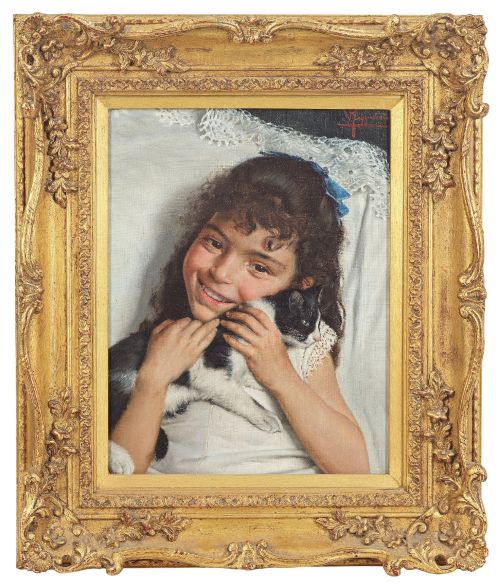
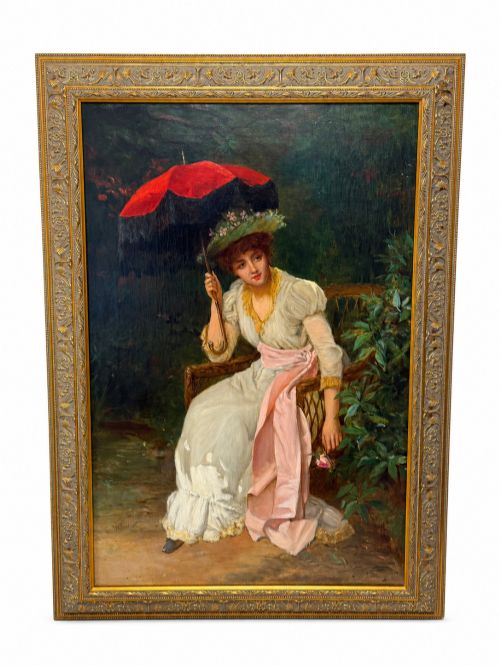
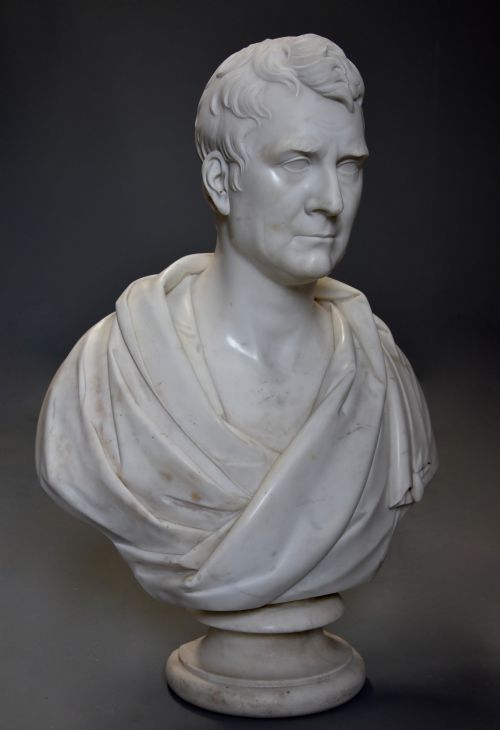
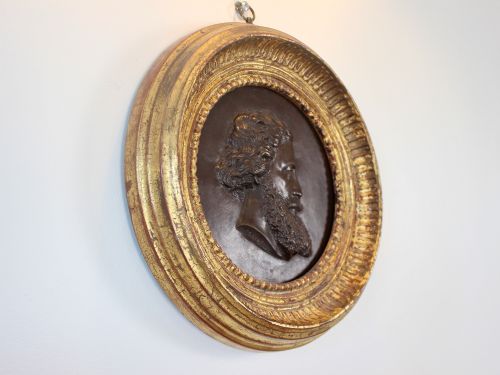
Makers applied oil paint to canvas, wood panels, or salvaged surfaces, building depth through layered brushwork, whilst watercolour artists worked on paper or glass with fine pigments. Sculptors cast portrait busts in bronze or shaped porcelain plaques, frequently mounting these within carved frames or gilt surrounds.
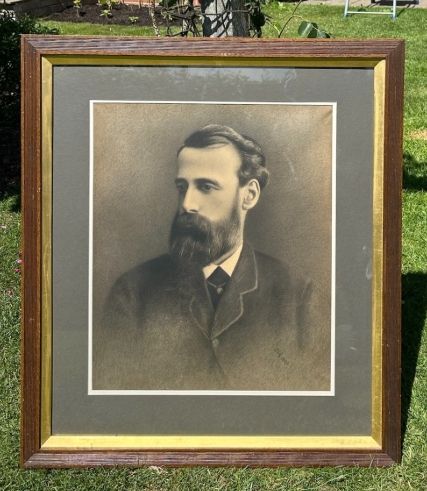
Artists utilised graphite, charcoal, and chalk pastels for detailed drawings, often combining pencil with watercolour touches to define facial expressions and costume textures with precision.
Several Victorian sitters brought their dogs, horses, and even cigars into the studio to share the portrait session.
What Varies in Quality
The standard of a signed victorian portrait rests upon the artist's ability to render anatomy, expression, and texture with conviction, moving beyond formulaic studio production. Masterful handling of light in oil or the delicate precision of a watercolour wash distinguishes superior examples from standard works.
Materials and framing contribute significantly, as original gilt frames, well-preserved canvas, and substantial bronze casts elevate the physical presence of the piece.
Guido Bach·Vittorio Reggianini·William Oliver·John Emms·Thomas Sidney Cooper·Basil Nightingale·Lance Calkin·John Trivett Nettleship·Alajos Strobl·Robert Faulkner·Leonardo Morello·Christoffel Bisschop·George Percy Jacomb-Hood·Theobald Chartran·J Moffat·Walter Emsley
The Signed Victorian Portrait Glossary
- Oil on canvas
- Pigments bound in drying oil applied to a woven fabric support stretched over a wooden frame. This medium allowed artists to achieve rich colour saturation and subtle tonal gradations.
- Watercolour
- Finely ground pigments suspended in a water-soluble binder, painted onto paper or glass. It produced translucent effects valued for intimate portrait miniatures.
- Bronze plaque
- A flat or low-relief sculptural casting in copper alloy depicting a subject's profile or bust. These metal works were frequently signed by the founder or sculptor.
- Miniature painting
- A highly detailed, small-scale portrait executed with fine brushes. Artists often painted these delicate studies on ivory, paper, or glass.
- Porcelain plaque
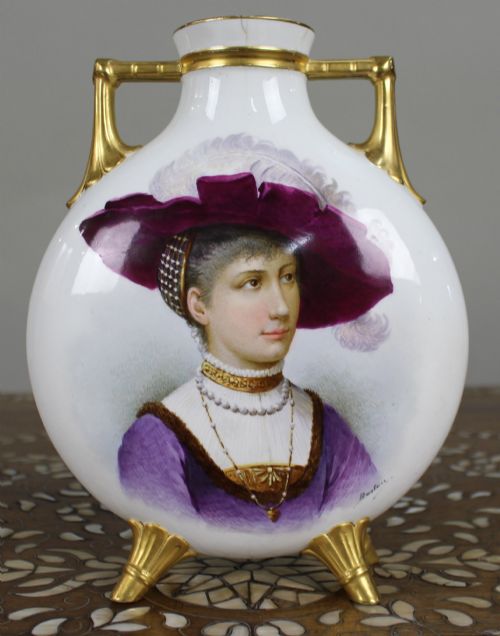
- A ceramic tablet painted with enamel colours and fired to set the pigments. These items were commonly housed within decorative carved frames.
Signed Victorian Portrait: Frequently Asked Questions
How do I identify the artist on a signed victorian portrait?
Look closely at the corners of the canvas, paper, or bronze base for handwritten signatures, monograms, or dates inscribed by the creator. Signatures sometimes appear hidden within drapery or background shadows.
Compare the handwriting or stylistic signature with known examples by the recorded maker to confirm attribution.
What mediums were used for signed victorian portraits?
Artists worked in oil on canvas or wood panel, watercolour on paper and glass, and graphite or charcoal on paper. Sculptors also produced portrait busts and plaques in bronze.
Each medium required distinct techniques, from the heavy impasto of oil painting to the delicate washes of watercolour.
How should I care for a signed victorian portrait?
Keep works away from direct sunlight and dramatic fluctuations in temperature and humidity to protect delicate paper, canvas, and painted surfaces. Display paintings and drawings in stable indoor environments.
Dust frames gently with a dry, soft cloth and avoid applying liquid cleaners directly to the artwork or signature.
Are signed victorian portraits only of humans?
Portraits from this era frequently depict cherished animals, including prize greyhounds, collies, terriers, horses, and cattle. Artists recorded these subjects with the same seriousness afforded to human sitters.
Animal portraits often highlight specific breeds or champion animals alongside landscapes or stable interiors.