




Classical Figure Drawing
Classical figure drawing captures the human form through traditional academic study, offering collectors an intimate window into historical draughtsmanship and artistic discipline.
Classical Figure Drawing
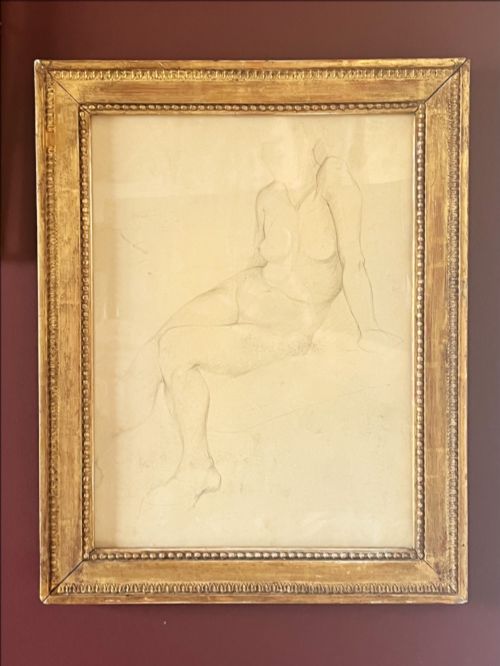
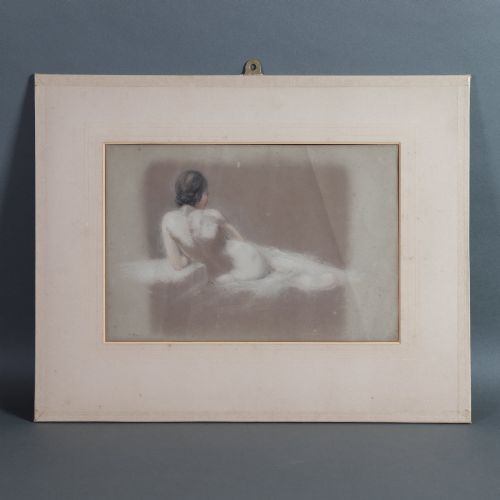
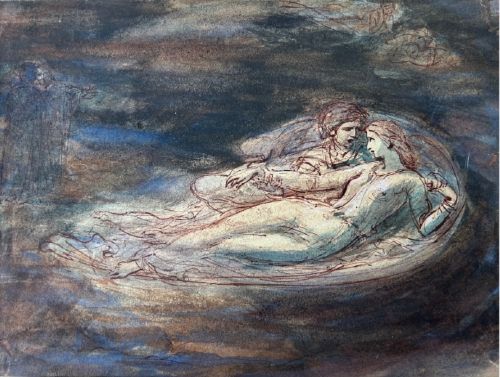
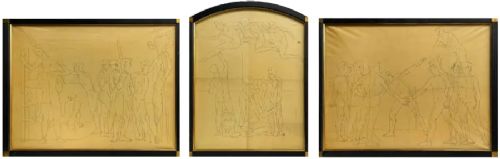
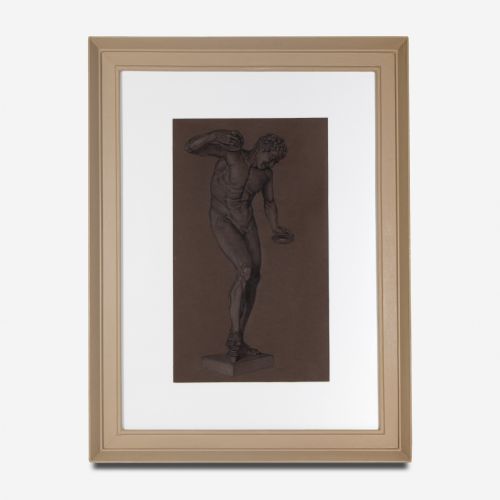
A classical figure drawing represents the human form through structured academic study, encompassing mythological scenes, life models and historical subjects. These works span multiple centuries, appearing frequently in eighteenth and nineteenth-century styles such as neoclassical, academic realism and romanticism.
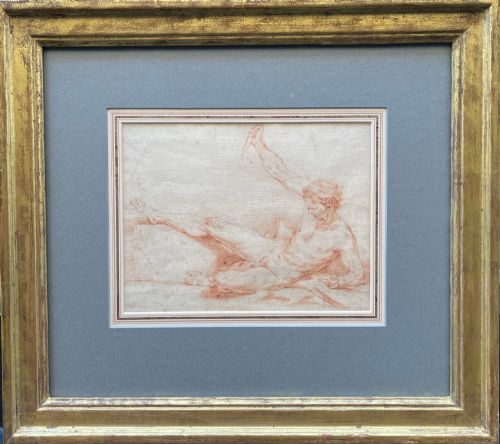
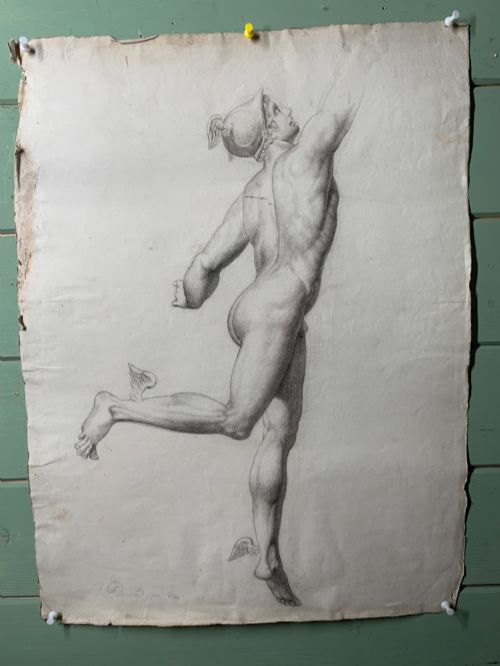
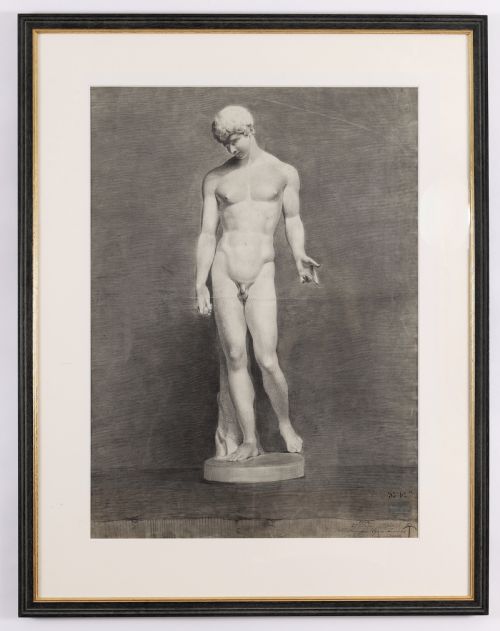
Buyers encounter diverse formats ranging from framed original drawings and portrait studies to ink sketches, wash watercolours and framed prints. Common subjects include mythological figures, standing and recumbent nudes, and anatomical studies derived from classical sculpture.
The materials reflect traditional studio practice, utilising paper support alongside charcoal, chalk, graphite, ink and oil. Many examples arrive preserved in period frames, including gilt wood designs that complement the historical nature of the artwork.
Evaluating draughtsmanship and execution
Quality rests upon the sureness of the line, anatomical proportion and the artist's ability to render volume and light upon the human form. Stronger examples demonstrate confident handling of shadow and contour, revealing the draughtsman's deep understanding of underlying skeletal and muscular structure.
The preservation of the paper support, stability of medium against fading, and the harmony of the framing contribute significantly to a piece's standing. Works that retain crispness in ink or chalk without excessive smudging display superior physical survival alongside artistic merit.
Academic realism and neoclassical styles appear frequently alongside mid-century modern and romanticist interpretations of the human form.
William Etty·Hyacinthe Colin de Vermont·James Stroudley·François-André Vincent·Pierre-Paul Prud'hon·John Flaxman·William Edward Frost
The Classical Figure Drawing Glossary
- Academic Realism
- A style of painting and drawing produced under the influence of European academies of art, emphasising precise anatomical accuracy and classical subjects. This approach values rigorous training and adherence to traditional standards.
- Sanguine
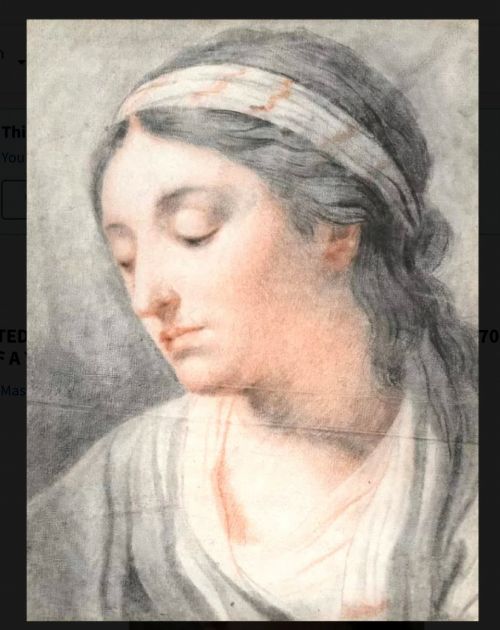
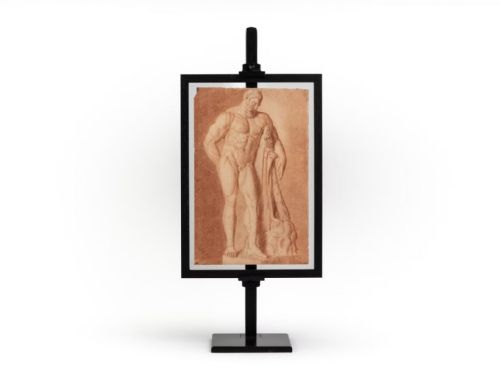
- A type of red chalk used in drawing, prized for its warm earthy tone and ability to render flesh tones convincingly. Artists utilised sanguine extensively for portraiture and figure studies during the eighteenth and nineteenth centuries.
- Recto and Verso
- Terms designating the front and back of a single sheet of paper or vellum. Drawings occasionally feature studies on both sides, offering insight into the working methods of the artist.
- Wash
- A technique where ink or watercolour is diluted with water to create translucent layers of tone. This method allows artists to establish deep shadows and atmospheric backgrounds swiftly.
- Neoclassical
- A Western cultural movement drawing inspiration from the art and culture of classical antiquity. Works in this style prioritize severe lines, heroic subjects and balanced composition.
Classical Figure Drawing: Frequently Asked Questions
What is a classical figure drawing?
A classical figure drawing is a study of the human body created according to traditional academic standards, often focusing on proportion, anatomy and classical themes. These works serve as direct evidence of historical training methods.
Such drawings range from quick compositional sketches to highly finished life studies produced within art academies and private studios across several centuries.
How do I care for antique paper drawings?
Antique paper drawings require protection from direct sunlight and high humidity to prevent fading of media such as charcoal, ink and chalk. Framing with acid-free mounts ensures the paper remains undamaged over time.
Displaying these works in stable indoor environments helps preserve both the delicate support and the framing materials, such as antique gilt wood.
How are academic life studies identified?
Academic life studies often feature posed models, frequently nudes, rendered with careful attention to lighting, musculature and shadow. These pieces frequently carry inscriptions, dates or stamps indicating academy origins.
The inclusion of specific poses derived from classical sculpture or mythological narratives further points towards structured academic instruction.
What distinguishes chalk from graphite drawings?
Chalk drawings, including sanguine and red chalk, offer warm, velvety tones well-suited for capturing flesh and organic contours. Graphite provides cooler, metallic silver-grey lines capable of precise, sharp detail.
Artists selected these mediums based on the desired mood and texture of the study, combining them with ink or wash for added depth.