





Brown Paper Charcoal Drawing
These brown paper charcoal drawing pieces bring immediate character to a room, capturing moments in expressive monochrome lines.
Brown Paper Charcoal Drawing
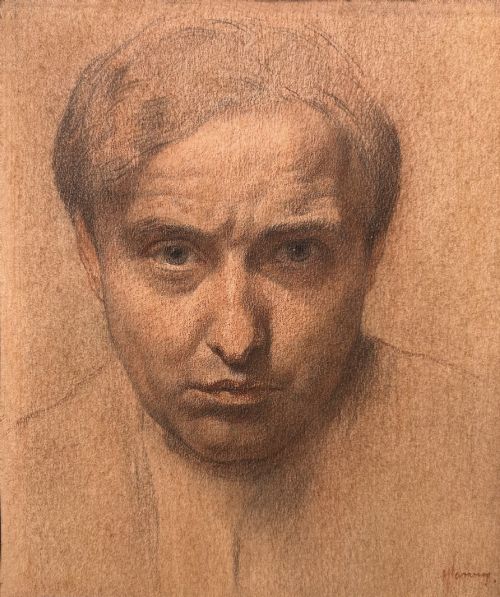
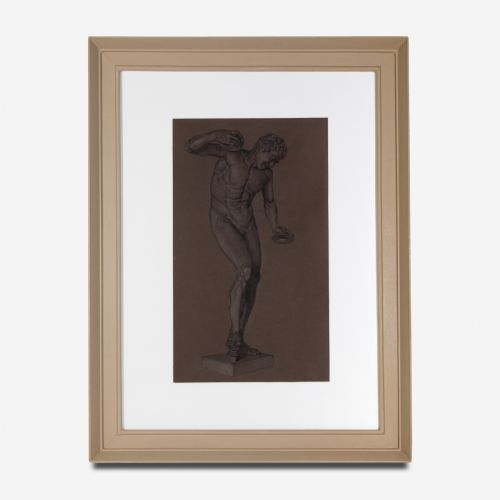
A brown paper charcoal drawing captures a subject using dark medium on a toned surface, often highlighting forms with white chalk. These works range from informal portrait drawings to detailed studies after classical figures.
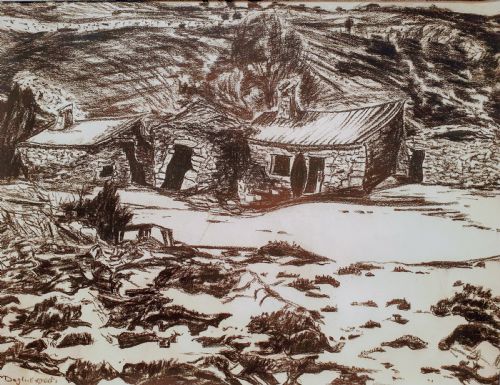
The selections span multiple eras, including the nineteenth century and the mid twentieth century, featuring British and Italian examples. Buyers encounter framed artwork and original drawings depicting nudes, landscapes, and notable figures.
Portraits form a significant portion of the available pieces, recording likenesses of historical figures, artists, and sitters from past centuries. Landscapes and academic studies round out the selection, showing how artists utilised toned grounds for depth.
Materials and technique
Artists working on these pieces utilised charcoal and chalk applied to paper or toned paper, creating contrast against the brown background. Graphite and pastels also appear alongside charcoal to build up tonal range and subtle shading.
Framed works commonly use wood and glass to protect the fragile surface of the drawing. The combination of dark charcoal and lighter chalk on tinted paper allows artists to capture form and light effectively.
Brown Paper Charcoal Drawing Retail Price Guide 2026
Typical asking prices for brown paper charcoal drawing among the pieces listed under this phrase on Sellingantiques today, from the lower quarter to the upper quarter. They describe what is for sale here now, not the wider market.
Listings feature works from the nineteenth century up to the nineteen sixties, employing charcoal, chalk, and graphite on paper.
Assessing quality and execution
Quality rests in the sureness of the line and the artist's command of tone across the toned paper. Strong anatomical accuracy and expressive handling distinguish accomplished academic studies from hurried sketches.
Condition plays a part in the appeal, particularly the stability of the charcoal and the preservation of the paper against toning changes. The strength of the composition and the significance of the subject matter elevate individual pieces.
Samuel Rabin·John Macallan Swan·Theobald Chartran·George Richmond·Juliet Pannett
The Brown Paper Charcoal Drawing Glossary
- Charcoal
- A dry drawing medium made from organic matter, producing rich black marks that smudge easily. Artists utilise it for expressive and rapid sketching.
- Toned paper
- Paper manufactured with a neutral or coloured tint rather than a stark white finish. It provides a mid tone that allows artists to add both darks and lights efficiently.
- Chalk
- A soft drawing material used alongside charcoal to add bright highlights to toned paper. It helps define the light source in figurative works.
- Academic study
- A detailed drawing produced as part of artistic training, often focusing on the human figure or classical sculpture. These pieces demonstrate rigorous attention to proportion and form.
- Monochrome
- Artwork executed in a single colour or shades of a single colour. Charcoal drawings rely on this limitation to emphasise tone and line.
Brown Paper Charcoal Drawing: Frequently Asked Questions
How should I hang these drawings?
Keep framed pieces away from direct sunlight to prevent the paper and charcoal from fading over time. Stable indoor humidity protects both the paper support and the wooden frame.
Ensure the artwork hangs securely using appropriate fixings suited to your wall type. Proper placement preserves the fragile medium for years to come.
What periods do these drawings represent?
The works span from the nineteenth century through the mid twentieth century. Examples include Victorian academic pieces and later twentieth century realizations.
Each period brings distinct stylistic approaches, from neoclassical studies to modern British portraiture. This variety reflects changing methods in artistic training and execution.
Are these works original art?
Every piece listed is an original drawing rather than a reproduction or print. Artists applied the charcoal and chalk directly to the paper by hand.
Signatures and dates appear on several pieces, connecting the viewer directly to the creator's hand. This authenticity defines the character of each individual work.
How do I identify the subject?
Many portraits record historical figures, writers, or sitters identified by inscriptions or accompanying documentation. Researching the artist often reveals the context of the commission or study.
Nudes and landscapes rely on visual cues and stylistic traits typical of their era of production. School attributions help place anonymous works within specific traditions.