






Antique Anatomical Drawings
Antique anatomical drawings are rigorous academic studies of the human form, offering collectors direct insight into historical draughtsmanship and artistic training.
Antique Anatomical Drawings
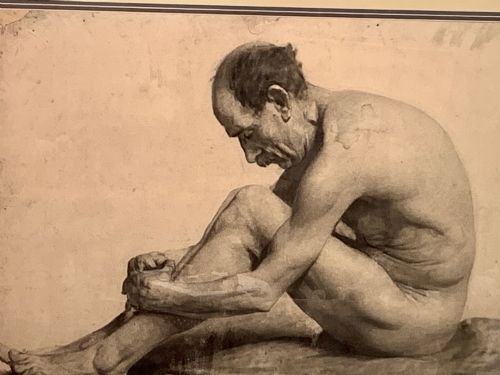
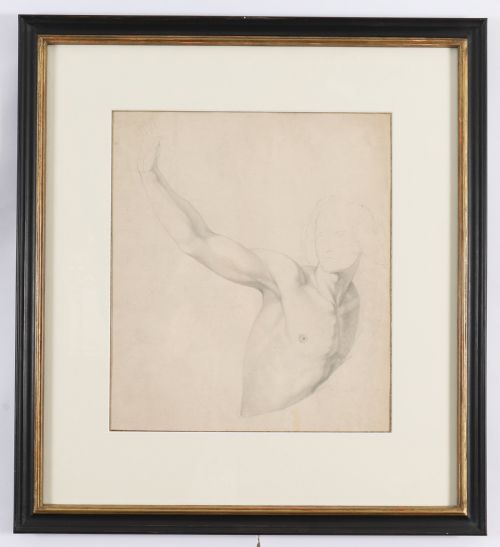
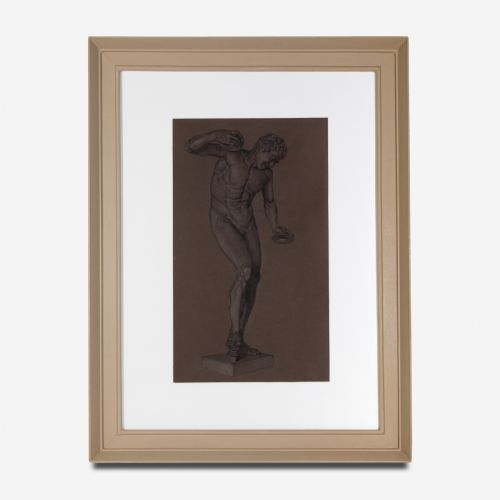
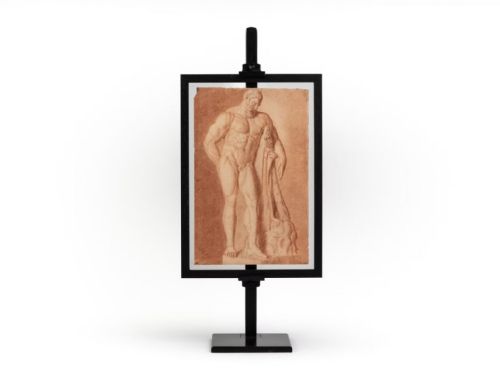
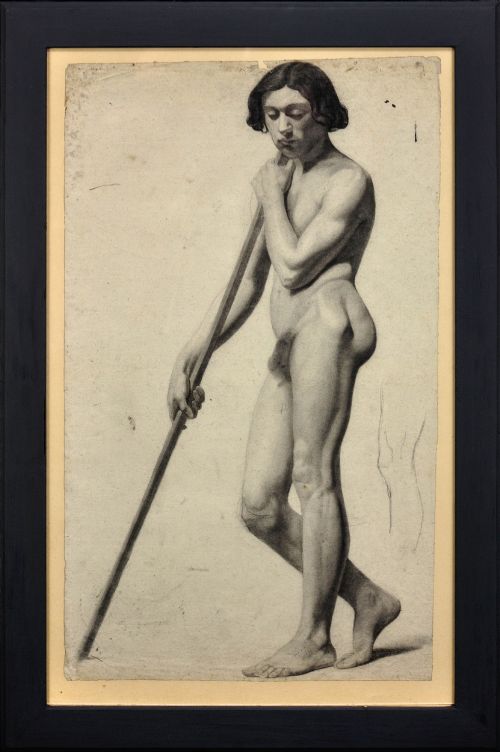
When you search for antique anatomical drawings, you encounter academic life studies, figural drawings, and detailed studies of the human and animal form. The selection spans the eighteenth, nineteenth, and twentieth centuries, reflecting rigorous training traditions in European schools.
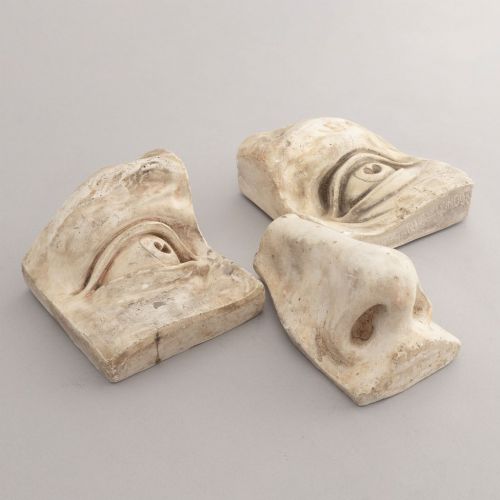
Most examples on this page are framed works on paper rendered in graphite, charcoal, red chalk, or oil. Alongside these paper works, the selection includes plaster casts and carved wood artists lay figures used for understanding proportion and musculature.
The origins stretch from English school pieces to Italian school and French period works. Buyers find everything from single detailed studies of a foot to multi-figure sketches and sets of horse drawings.
Materials and techniques
Artists utilised traditional supports such as paper and canvas, applying graphite, charcoal, red chalk, and oil paint to capture tone and shadow. These mediums allowed draughtsmen to render precise muscular definition and skeletal structure.
Framed works often reside in gilt wood and gesso frames that protect the fragile paper substrates. Three-dimensional forms rely on carved wood and plaster cast techniques to replicate classical sculptures and live models.
Antique Anatomical Drawings Retail Price Guide 2026
Typical asking prices for anatomical drawings among the pieces listed under this phrase on Sellingantiques today, from the lower quarter to the upper quarter. They describe what is for sale here now, not the wider market.
Even horses needed to sit for their portraits, as evidenced by nineteenth-century equestrian studies.
Variations in quality
Quality rests upon the precision of line and the depth of anatomical understanding demonstrated by the hand. Superior pieces show confident handling of shadow and light, capturing the underlying structure of the subject with clarity.
The integrity of the medium and the condition of the paper or plaster dictate the visual impact. Original frames, particularly antique gilt wood examples, contribute to the overall authenticity of the piece.
Henry Arthur Roberts
The Antique Anatomical Drawings Glossary
- Academic Realism
- A style of painting and drawing produced under the influence of European academies of art. It emphasises precise rendering of anatomy and classical forms.
- Recto and Verso
- Terms describing the front and back respectively of a sheet of paper or drawing. Works often feature sketches on both sides.
- Artists Lay Figure
- An articulated wooden doll used by artists to arrange drapery and study posture. They provide a stable reference for the human form.
- Red Chalk
- A brownish-red chalk used extensively for sketching and life drawing during the eighteenth and nineteenth centuries. It allows for subtle tonal gradations.
- Plaster Cast
- A copy of a sculpture made by pouring plaster into a mould. They served as standard instructional objects in academic training.
Antique Anatomical Drawings: Frequently Asked Questions
What are antique anatomical drawings?
These pieces are historical studies created by artists to master the proportions, musculature, and structure of the human and animal body. They range from graphite sketches to red chalk drawings and oil studies.
Created within academic training environments, these works record the rigorous methods employed by art students and masters across different centuries.
How were these drawings used?
Artists used these studies as reference tools for larger compositions, historical paintings, and sculptural works. They served as essential practice for understanding perspective and light on the living form.
Schools and academies required students to copy classical statues and live models repeatedly to build technical proficiency.
How should I display them at home?
Framed works on paper require placement away from direct sunlight to prevent the fading of graphite, chalk, and ink. Conservation framing helps preserve the fragile paper substrates.
Grouping complementary studies or mixing them with three-dimensional objects like plaster casts creates a cohesive display in a study or library.
How do I identify different periods?
Dating relies on the medium, the style of the framing, and the stylistic conventions of the academic school represented. Eighteenth and nineteenth-century works often show distinct handling of chalk and graphite compared to later twentieth-century examples.
Signatures, inscriptions, and documentary evidence on the paper or frame provide further clues to the origin of the piece.