

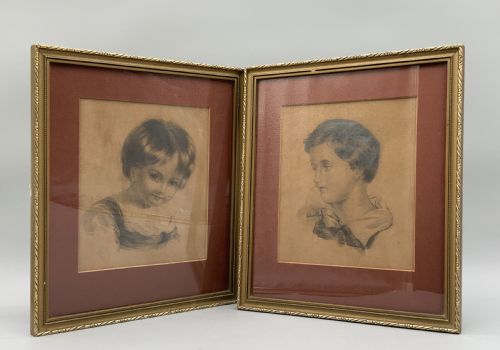

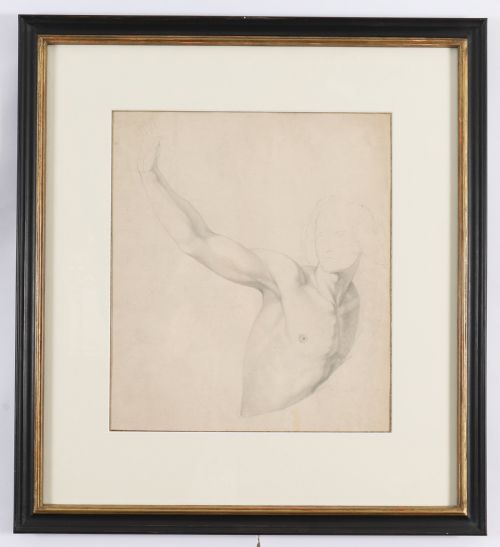


Antique Graphite Drawings
Antique graphite drawings encompass intimate pencil studies and finished portraits on paper created across the eighteenth, nineteenth, and early twentieth centuries.
Antique Graphite Drawings
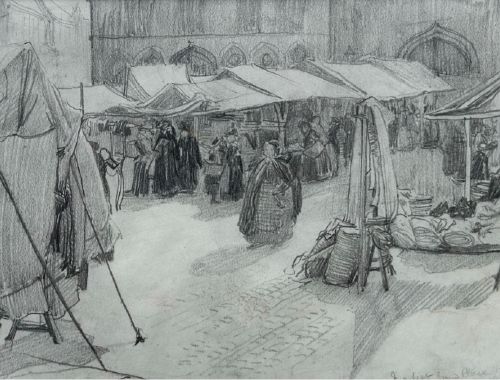
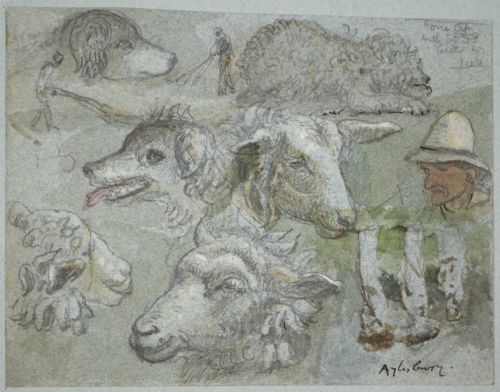
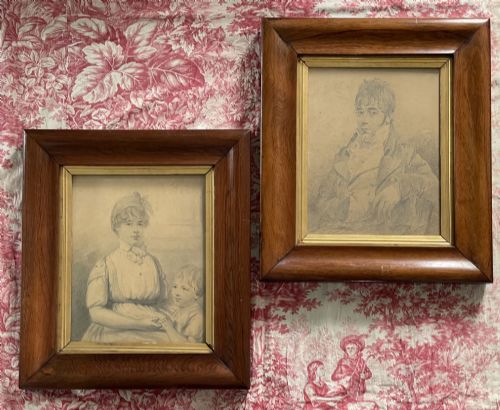
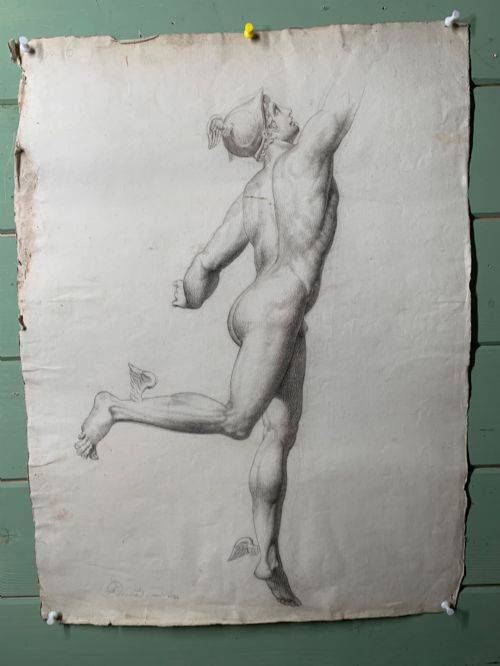
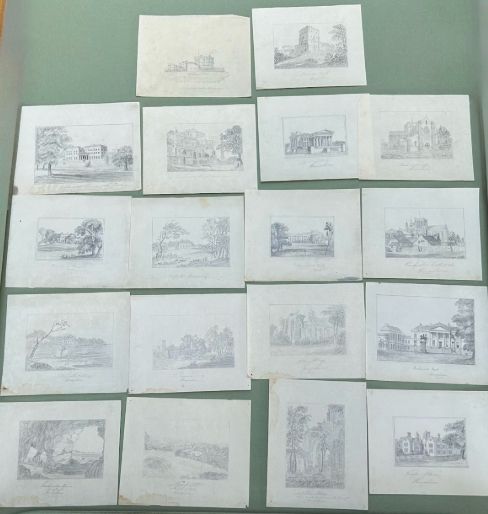
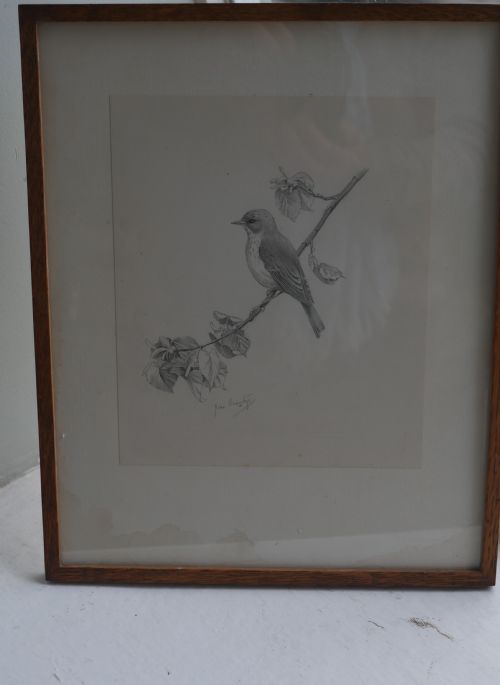
Antique graphite drawings capture a vast range of subjects, from meticulous academic life studies and detailed architectural renderings to spontaneous figural sketches and atmospheric landscape views. When exploring antique graphite drawings, buyers frequently encounter works executed on paper, sometimes accented with chalk, ink, or subtle touches of watercolour and gold leaf.
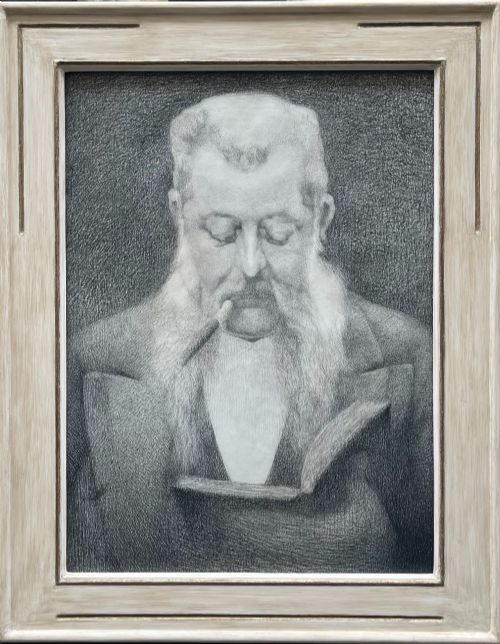
The selection spans several distinct eras, incorporating Georgian plumbago portraits, Regency depictions of couples, Victorian character studies, and early twentieth century surrealist or modernist compositions. Many pieces arrive framed in wood and glass, preserving the delicate monochrome medium against the passage of time.
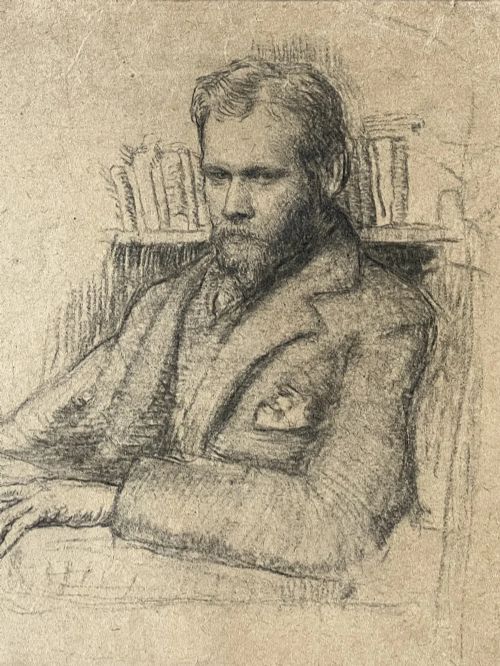
Originating from British and continental European hands, these works document everyday observations, historical scenes, and formal portraiture alike. Whether examining a delicate pencil sketch of a child or a grand allegorical scene, the surviving sheets offer a direct window into historical draughtsmanship.
How they were made
Artists relied primarily on graphite and pencil applied directly to fibrous paper sheets, occasionally combining the medium with charcoal, chalk, or ink to build contrast and depth. Plumbago technique involved highly controlled, fine graphite work popular for miniature portraits during the eighteenth century.
Support materials typically included handmade or early machine-made paper housed behind glass within wooden frames, occasionally complemented by gilt or gold leaf accents. Many sheets retain watermark evidence, framing lines, or inscriptions that record the date, sitter, or location of the drawing.
Antique Graphite Drawings Retail Price Guide 2026
Typical asking prices for graphite drawings among the pieces listed under this phrase on Sellingantiques today, from the lower quarter to the upper quarter. They describe what is for sale here now, not the wider market.
The listings feature antique graphite drawings spanning the eighteenth, nineteenth, and early twentieth centuries, executed on paper and wood.
What varies in quality
The precision of line work and the sureness of the draughtsman's hand dictate the distinction between routine student exercises and masterworks by accomplished artists. Portraiture quality rests heavily on the psychological depth of the sitter and the accurate rendering of proportion and expression.
Condition plays a defining role in valuation, particularly regarding paper stability, foxing, fading, and the integrity of the original framing elements. Works bearing clear signatures, dated inscriptions, or documented provenance from notable hands command greater attention from collectors.
James Smetham·Augustus John·John Taylor·James Ferguson·Ozias Humphry·Henri Josephe Hesse·Fred Lawson
The Antique Graphite Drawings Glossary
- Plumbago
- An early term for graphite, specifically applied to highly detailed, monochromatic pencil portraits produced in the seventeenth and eighteenth centuries. These miniature works required exceptional control and fine-tipped instruments.
- Academic realisn
- A style of painting and drawing stemming from the standards of European academies, prioritising accurate anatomical study, classical proportion, and rigorous observation. Life studies of the nude form and classical casts frequently emerged from this training.
- Grisaille
- A painting or drawing executed entirely in shades of grey, monochrome, or neutral grey-green, often designed to mimic the appearance of relief sculpture. Artists utilised this method for preparatory studies or finished decorative panels.
- Symbolist
- A late nineteenth-century movement focusing on internal psychological states, fantasy, and myth rather than direct visual reality. Drawings in this vein employ suggestive forms and mysterious allegorical themes.
- Watercolour
- A medium consisting of coloured pigments suspended in a water-soluble vehicle, frequently combined with graphite outlines in these historical works. Wash applications added atmospheric tone to underlying pencil sketches.
Antique Graphite Drawings: Frequently Asked Questions
How should I frame and display antique graphite drawings?
Keep drawings out of direct sunlight to prevent the paper from yellowing and the graphite from fading over time. Utilise UV-protective glass and acid-free mounting materials to safeguard the delicate surface.
Ensure that the paper does not touch the glass directly by using a mat or spacer. Stable indoor humidity levels will prevent warping and mould growth on the antique paper.
What is the difference between graphite and plumbago?
Plumbago is an early name for natural graphite, but in collecting terms it denotes a specific style of highly finished, miniature portrait drawing popular in the eighteenth century. These works exhibit microscopic precision and silvery tones.
Standard graphite drawings encompass a broader range of spontaneous sketches, landscape studies, and loose preparatory works from the nineteenth century onward. The tool remained largely the same, but the artistic intent and scale shifted significantly.
How can I tell a study from a finished drawing?
Preparatory studies often display visible grid lines, hurried corrections, multiple overlapping contour lines, and anatomical notes in the margins. These sheets served as working exercises for larger paintings or sculptures.
Finished drawings feature deliberate composition, resolved details, clear signatures or dates, and a sense of visual completeness. They were created to stand alone as independent works of art rather than preliminary steps.
Why do some pencil drawings include touches of other materials?
Artists often introduced chalk, charcoal, or ink to build dramatic contrast and deep shadows that graphite alone could not achieve. White chalk highlights added luminosity to figural studies and portraits.
Watercolour washes provided atmospheric backgrounds or flesh tones, while gold leaf occasionally embellished formal portrait miniatures. These mixed media elements enhanced the visual depth of the monochrome compositions.