




Original Fine Art Studies
Original fine art studies capture direct, preparatory observations by artists across portraiture, landscape and figure work spanning multiple centuries.
Original Fine Art Studies
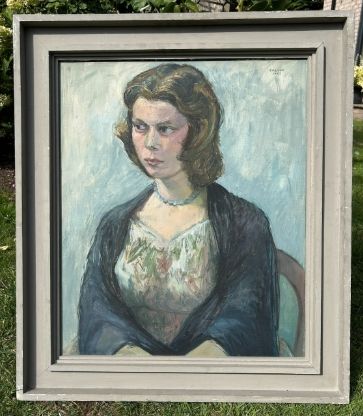
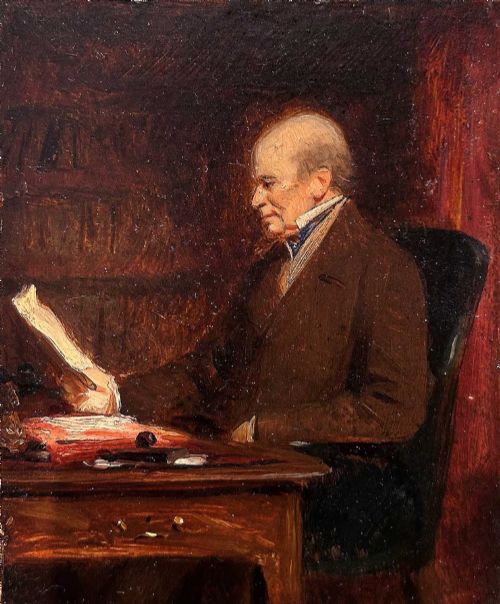
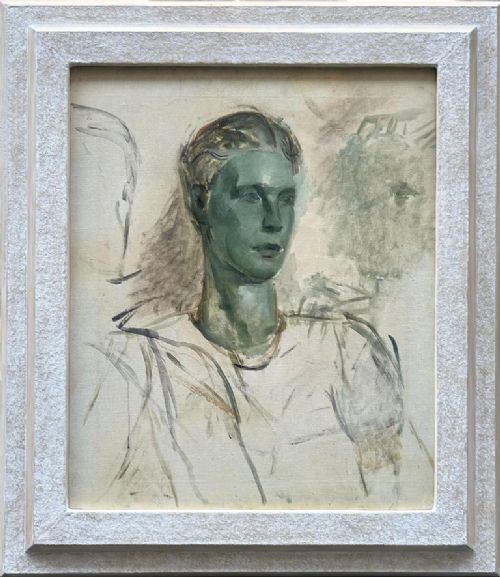
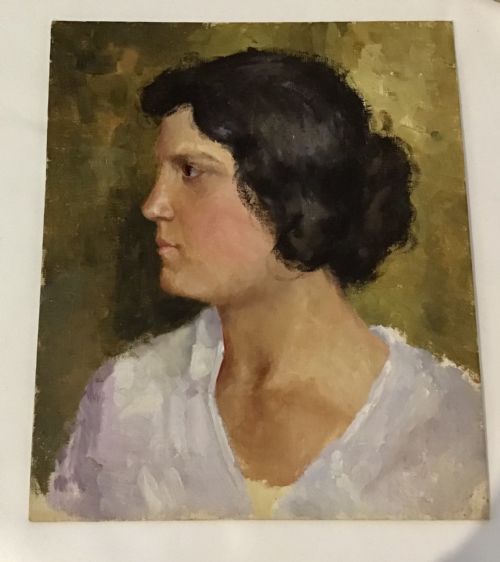
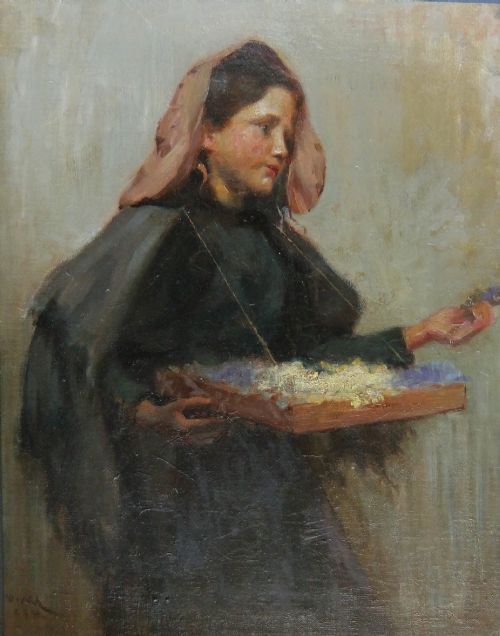
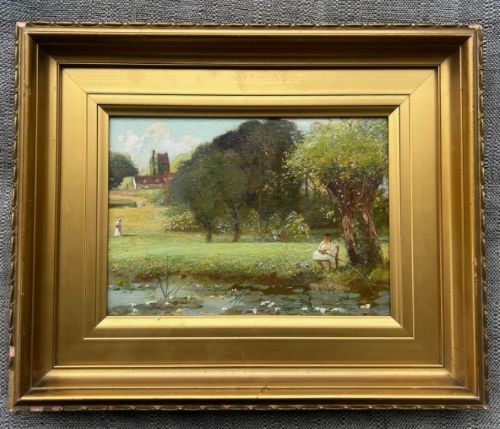
Original fine art studies represent preparatory or finished works executed directly by the hand of the artist, encompassing portraiture, landscape, and figure subjects. These pieces reveal the foundational process behind larger compositions or stand as intimate finished works on their own merits.
The selections span from the Victorian and Edwardian eras through the interwar period and into mid-century modernism. Buyers regularly encounter pieces reflecting British Impressionism, Academic Realism, and Art Deco movements within these gatherings.
Materials and methods
Makers utilised traditional supports including stretched canvas, wooden panels, artist board, and heavy paper sheets. These surfaces received applications of oil paint, watercolour, charcoal, and ink according to the distinct requirements of each study.
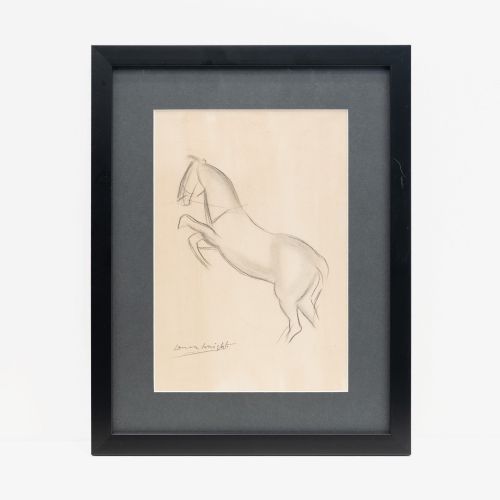
Techniques range from rapid charcoal and ink line sketches to layered oil and watercolour applications. The handling of these materials demonstrates the immediate touch and observational skill of the artist at work.
Original Fine Art Studies Retail Price Guide 2026
Typical asking prices for original fine art studies among the pieces listed under this phrase on Sellingantiques today, from the lower quarter to the upper quarter. They describe what is for sale here now, not the wider market.
The listings span from the Victorian era through the Edwardian period to mid-century modernism, utilising oil, watercolour, charcoal, and pencil.
Evaluating quality and execution
Quality rests upon the confidence of the draughtsmanship, the vitality of the brushwork, and the clarity of the composition. A study executed with decisive line work or deliberate paint application holds greater visual presence than a hesitant trial.
The connection between the study and the recorded subject matters significantly, as does the preservation of the original surface. Pieces that retain their primary framing or untouched backing papers offer a more complete historical record.
Thomas Ellison·Robert Heinrich·Kenneth Cozens·Oilver Messel·Stephen Pearce·William Watt Milne·Dame Laura Knight·Lucien Gibert·Sir David Murray·Allan Douglas Davidson·Raoul Millais·Ernest Higgins Rigg·William Edward Frost·Hans Temple·Peter Jackson·John Arthur Lomax·Kershaw Schofield·Raymond Arthur Roadnight·Rowland Henry Hill·John J. Hamer·Tom Dudley·Charlotte Blakeney Ward·Lucy Kemp-Welch·Owen Bowen·William Cave Day
The Original Fine Art Studies Glossary
- Study
- A preparatory drawing or painting made in preparation for a finished, often larger, composition. These works record an immediate observation or test a specific visual problem.
- Academic Realism
- A style of painting and sculpture produced under the influence of European academies of art. It emphasises precise drawing, smooth surfaces, and traditional subject matter.
- Panel
- A rigid support for painting, typically made of wood. Artists frequently utilised wooden panels for smaller oil studies before the widespread adoption of stretched canvas.
- Impressionism
- A nineteenth-century movement characterised by relatively small, thin, yet visible brush strokes and an emphasis on accurate depiction of light. The style prioritises the overall visual effect rather than meticulous detail.
Original Fine Art Studies: Frequently Asked Questions
What is an art study?
An art study is a working piece created by an artist to explore a subject, test composition, or record direct observations before embarking on a larger project.
Unlike finished exhibition pieces, studies often display visible corrections, spontaneous brushwork, and a raw immediacy that reveals the artist's working method.
How should I frame a paper study?
Works on paper require conservation mounting using acid-free materials to prevent the backing board from staining or degrading the delicate paper fibres over time.
Glazing with UV-filtering glass protects watercolours, charcoal, and ink drawings from fading when hung in domestic environments.
Are oil studies painted on board durable?
Oil on wood or artist board is remarkably durable provided the piece is kept away from damp conditions and extreme fluctuations in household temperature.
The rigid support prevents the cracking that can occasionally affect aged canvases.
How do I identify the period of a study?
Dating relies upon stylistic markers, costume details in portraits, framing materials, and the physical characteristics of the paper, board, or canvas support.
Signatures, exhibition labels, and inscriptions on the reverse often provide direct evidence of the creation date and the artist's identity.