


Early 20th Century Sketch
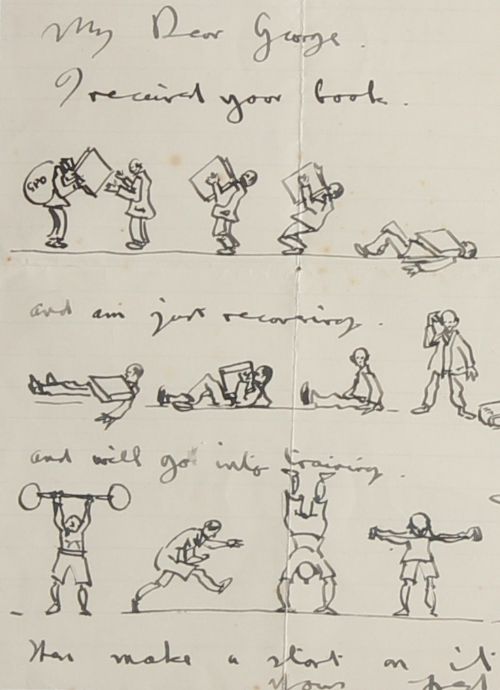
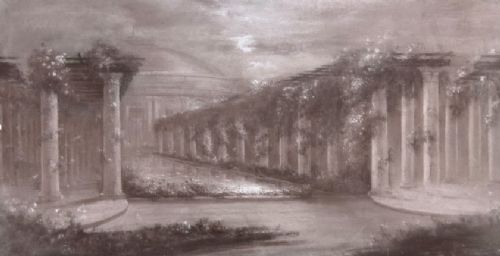
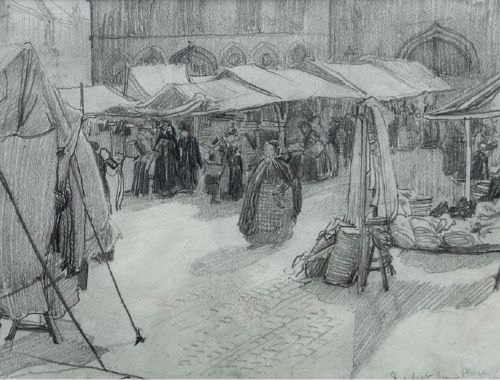
An early 20th century sketch captures the immediacy of a moment through rapid line and tone, offering direct insight into an artist's hand.
Early 20th Century Sketch
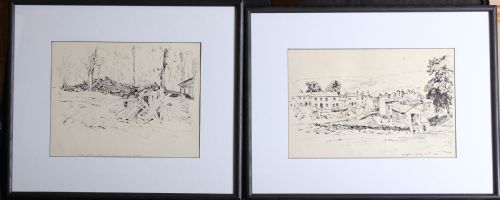
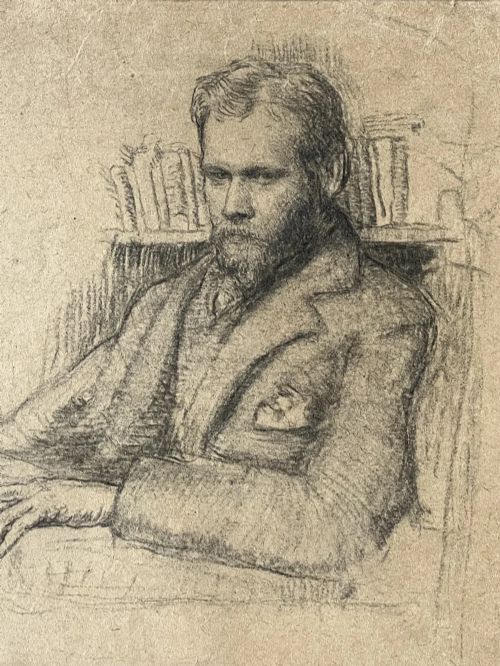
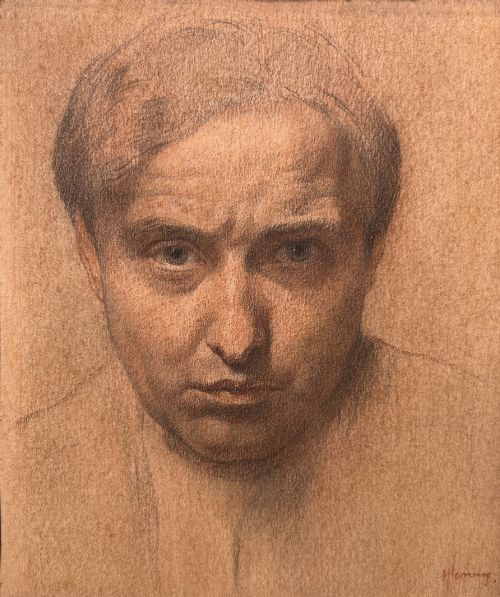
An early 20th century sketch encompasses original works on paper capturing landscapes, portraits, and figures across the Edwardian and modernist periods. Buyers encounter rapid studies, preparatory drawings, and finished compositional works spanning multiple decades from the late nineteenth century onward.
Portraits of notable figures and street scenes dominate the available selection, often executed by named British and European artists. These works range from informal life studies to precise architectural views and landscape watercolours.
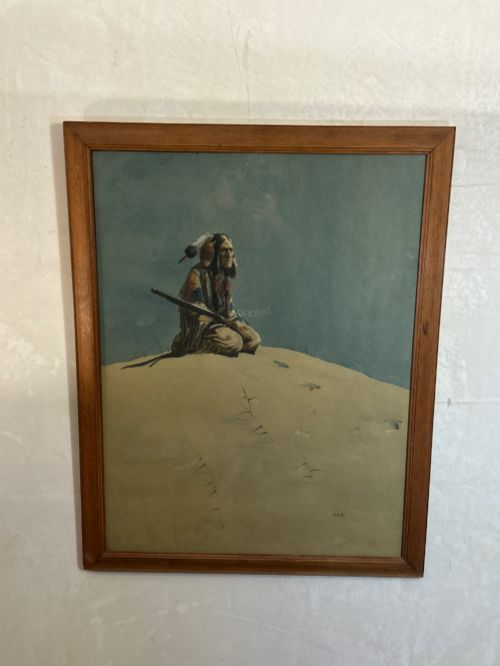
The physical form typically consists of unframed or framed works on paper preserved behind glass, often retaining authentic mounting materials or artist inscriptions. Collectors secure pieces that demonstrate direct observation and personal expression from the era.
Materials and execution
Artists utilised versatile dry and wet media on paper, selecting graphite, charcoal, and ink to record immediate visual impressions. Watercolour and pastel frequently appear alongside pencil and chalk, occasionally augmented by woodblock prints or mounted canvas stretchers.
Draftsmanship relied on confident, direct strokes where visible corrections and marginal notes reveal the working process. The combination of mediums, such as watercolour wash over pencil lines, created depth and tonal variation without the need for heavy paint layers.
Distinctions in quality
Quality rests upon the sureness of the draftsmanship and the economy of line used to define the subject. A superior study conveys form, expression, and atmosphere decisively, whereas lesser examples rely on hesitant strokes or rigid academic stiffness.
Significance also depends on the artist's established output and the depth of provenance associated with the sheet. Fully realised compositional sketches by recognised practitioners command greater attention than anonymous student exercises from the same decades.
Fred Lawson·Henry Percy Huggill·John Hassall·Augustus John·Herbert Johnson Harvey·George F Pennington·Demetrios Galanis·Winifred Eugene Ballard·Maurice Asselin·Reginald G Eves·Dame Laura Knight·Ernest Borough Johnson·Francis O A Haviland·Francis Dodd·George Graham·Bert Thomas·E Ridsdale Tate·Josef Jungwirth
The Early 20th Century Sketch Glossary
- Charcoal
- A dry drawing material made from burnt organic matter, producing rich dark marks and broad tonal blending. It allows artists to establish rapid contrasts of light and shadow.
- Graphite
- A form of carbon used in pencils to create precise lines and subtle greyscale gradations. It remains a primary medium for detailed preliminary studies.
- Watercolour
- A paint consisting of pigment suspended in a water-soluble vehicle, applied in transparent washes on paper. It captures luminous effects and atmospheric conditions quickly.
- Provenance
- The documented history of ownership of an artwork, establishing its authenticity and exhibition record. A strong lineage adds considerable context to a historical sheet.
- Life study
- A drawing executed directly from a live human model, typically focusing on anatomy and gesture. These exercises reveal the foundational training of the period.
Early 20th Century Sketch: Frequently Asked Questions
How should I frame an old sketch?
Protect the paper by using acid-free mount board and framing it behind glass to block ultraviolet light.
Keep the drawing away from direct sunlight and high humidity to prevent fading and foxing on the paper surface.
What is the difference between a sketch and a painting?
A sketch emphasises spontaneous line, contour, and preparatory thought rather than a fully blended, opaque surface.
Paintings usually cover the entire support with heavy pigment, while sketches leave areas of the paper exposed to define the composition.
Are artist inscriptions important?
Marginal notes, dates, and signatures provide direct historical context and help identify locations or sitters.
These annotations offer a glimpse into the working method and personal record of the creator.
How do I care for works on paper?
Store or display works in stable environmental conditions away from damp walls and extreme temperature shifts.
Consult a paper conservator if cleaning or stabilization is necessary to preserve the integrity of the medium.