



Grey Graphite Artwork
Grey graphite artwork offers subtle tonal depth, capturing figures and maritime rigging through precise pencil mark-making.
Grey Graphite Artwork
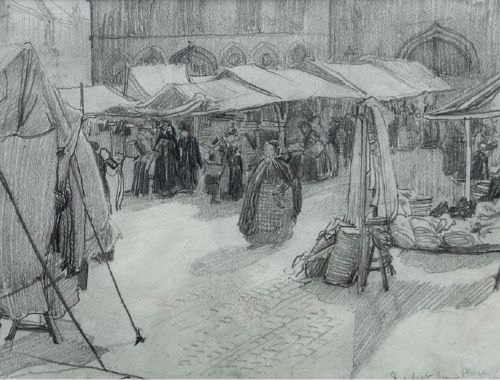
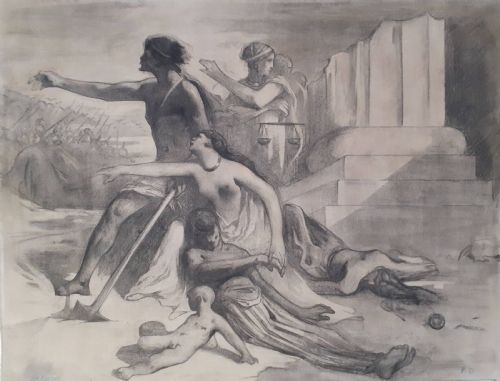
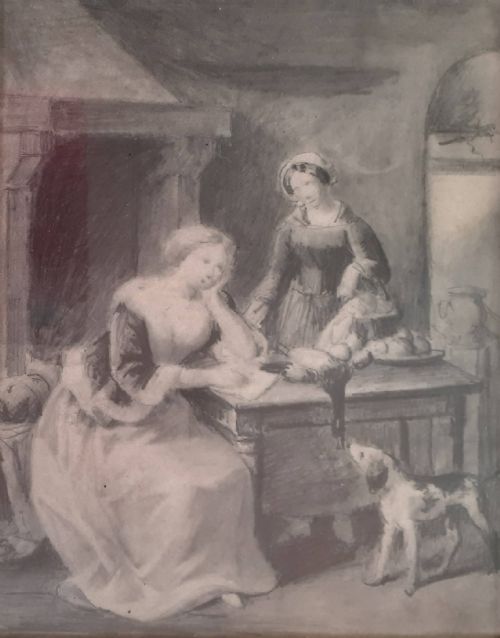
When searching for grey graphite artwork, buyers encounter original pencil drawings, grisaille studies, and academic sketches spanning the Victorian era to mid-century modernism. These works capture subjects ranging from portraits and architectural scenes to maritime rigging and surrealist compositions.
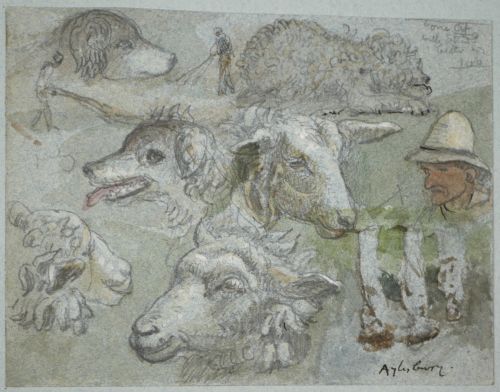
The pieces on this page are predominantly works on paper executed in graphite, pencil, and occasional combinations of chalk or watercolour. They originate from British and French studios across the nineteenth and twentieth centuries.
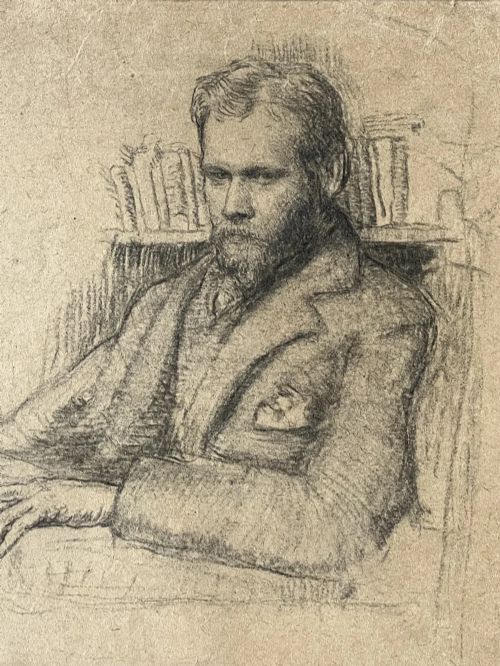
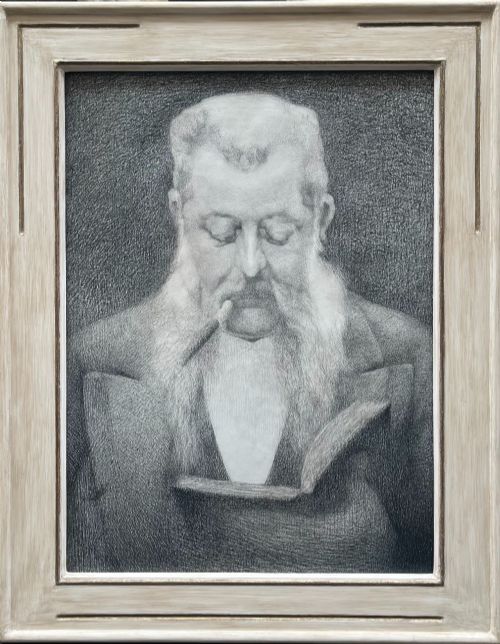
Collectors frequently meet portrait studies, figurative drawings, and still life compositions among these listings. Each piece demonstrates the direct hand of the artist through monochromatic shading on toned or white paper.
Materials and technique
These works rely on graphite and pencil applied directly to paper supports, sometimes utilising toned paper to enhance highlight and shadow. Artists build form through careful hatching and tonal gradation rather than saturated colour.
Complementary mediums such as chalk and watercolour occasionally appear alongside the primary pencil work to add depth or colour accents. Framing under glass protects the delicate paper and graphite surfaces from smudging and environmental wear.
Listings feature paper supports in both white and toned varieties, paired with graphite, chalk, and pencil mediums across various periods.
Evaluating quality
Quality rests upon the sureness of the draughtsmanship and the expressive economy of the pencil marks. A confident academic study or a sharply observed portrait reveals the artist's command of line and tonal balance.
The condition of the paper surface and the integrity of the original framing or mounting also distinguish finer examples. Tonal richness without muddy over-working separates accomplished pieces from routine sketches.
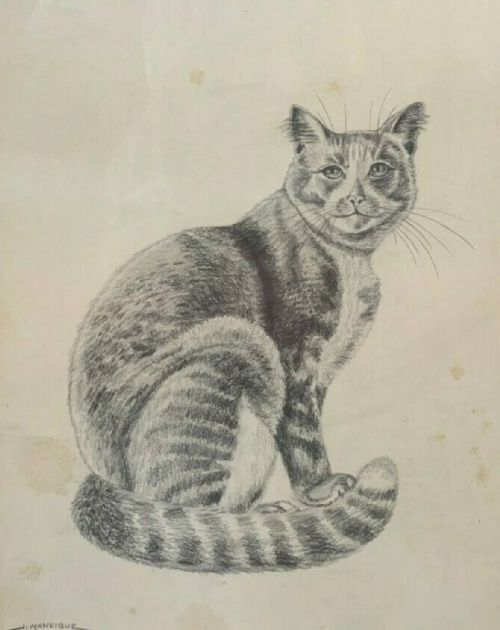
Henry Percy Huggill·James Smetham·Augustus John·J Manrique·Laura Knight
The Grey Graphite Artwork Glossary
- Grisaille
- A painting or drawing executed entirely in shades of grey or neutral monochrome. This technique often serves as a study for a larger oil painting or stands alone as a finished tonal work.
- Graphite
- A crystalline form of carbon used in pencils and drawing sticks. It produces a silvery-grey mark that ranges from soft, dark blacks to hard, pale lines.
- Symbolist
- A late nineteenth-century art movement focusing on spiritual ideas, dreams, and internal psychological states rather than realistic external appearances.
- Academic
- Art created in accordance with the strict standards of European nineteenth-century art academies. These drawings emphasise precise anatomical accuracy and careful tonal modelling.
- Toned paper
- Paper manufactured with a neutral tint such as grey, tan, or blue. Artists use it to judge highlights and shadows simultaneously against a mid-tone background.
Grey Graphite Artwork: Frequently Asked Questions
What is grey graphite artwork?
Grey graphite artwork encompasses original drawings and sketches rendered in pencil or graphite on paper supports. These pieces range from rapid preparatory studies to highly finished academic portraits and surrealist compositions.
Created across the nineteenth and twentieth centuries, these works rely on monochrome shading and line work to capture form and light.
How should I display pencil drawings?
Pencil drawings require framing behind glass to protect the delicate graphite surface from smudging and airborne pollutants. Acid-free mounts prevent chemical damage to the historic paper over time.
Keep these works away from direct sunlight to prevent the paper from yellowing and the graphite from fading.
How do I identify Victorian drawings?
Victorian drawings often feature precise academic draughtsmanship, narrative subjects, or formal portraiture executed on heavyweight paper. Signatures, dates, and framing stamps frequently provide documentary evidence of their nineteenth-century origins.
The style of dress and subject matter also offer clear clues to the period in which the artist worked.
What is toned paper?
Toned paper is manufactured with a pre-existing colour, such as grey, blue, or buff, rather than starting as plain white. This middle value allows the artist to apply dark graphite for shadows and white chalk for highlights.
Many nineteenth-century draftsmen favoured toned paper for sketching because it speeds up tonal work.