


1920s Pencil Drawing
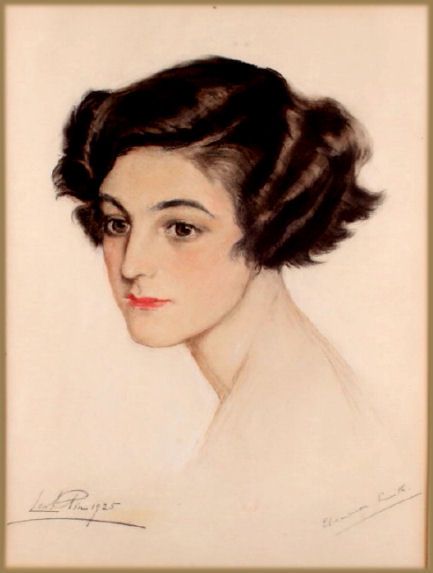
A 1920s pencil drawing offers immediate intimacy through direct graphic line, capturing early twentieth-century life in monochrome and subtle wash.
1920s Pencil Drawing
A 1920s pencil drawing encompasses original works on paper spanning the 1920 and 1930 periods, incorporating related mediums like graphite and charcoal. These works appear in forms ranging from intimate portrait drawings to townscapes and avant-garde studies.
Buyers encounter diverse stylistic approaches within these listings, including Art Deco, Modern British, Realism, Cubism, and Surrealism. Many pieces combine pencil work with watercolour, gouache, or red chalk to build tone and depth.
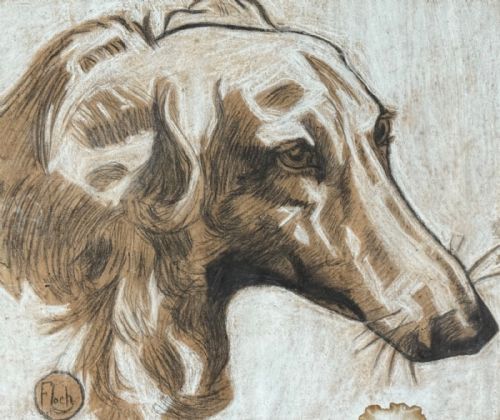
Subjects vary from architectural townscapes in Lincoln and Arles to theatrical portraits and stylized animal studies such as the Borzoi dog. The selection reflects the varied artistic output of early twentieth-century British and continental creators.
Materials and technique
Artists executed these works primarily on paper supports, frequently utilising buff paper to enhance tonal contrast with graphite, pencil, and charcoal. The application often combines dry drawing materials with watercolour and gouache washes.
Draftsmanship relies on precise line work alongside expressive shading techniques, capturing movement in subjects like figures awaiting a boat or playing petanque. Artists employed charcoal and red crayon alongside pencil to achieve varied weights of line and shadow.
A distinguished Borzoi dog poses in gouache and pencil, proving that 1920s elegance extends straight to the canine world.
Factors of quality
Quality rests upon the strength of the line and the confidence of the draftsmanship, where rapid preparatory studies sit alongside finished master drawings. The vitality of the mark-making dictates whether a composition holds the eye.
Provenance and association with documented exhibitions or museum-represented artists elevate specific works above standard decorative pieces. The relationship between the paper surface and the density of the graphite or charcoal integration determines visual success.
Demetrios Galanis·Fred Lawson·Dame Laura Knight·Leo Klin
The 1920s Pencil Drawing Glossary
- Buff paper
- A pale yellowish-brown paper stock that provides a warm mid-tone ground for pencil and charcoal drawings. This substrate allows artists to use white highlights effectively.
- Gouache
- An opaque water-based pigment frequently applied over pencil sketches to add solid areas of colour and body. It contrasts sharply with the delicate grey of graphite lines.
- Deux crayon
- A drawing technique using two distinct coloured chalks or pencils, typically black and red, on tinted paper. This method creates subtle modelling of form and flesh tones.
- Graphite
- A crystalline form of carbon used in pencils to produce metallic grey marks ranging from soft dark tones to hard silver lines. It forms the primary structural medium in these works on paper.
- Townscape
- An artistic representation of urban architecture, streets, and bridges. In this collection, examples focus on specific locations such as Lincoln and Arles.
1920s Pencil Drawing: Frequently Asked Questions
What defines a 1920s pencil drawing?
These works are original graphic pieces created on paper during the 1920 and 1930 periods, utilising pencil, graphite, or charcoal. They capture the diverse aesthetic movements of the era, from realism to avant-garde abstraction.
Many examples incorporate additional mediums such as watercolour or gouache, expanding simple line work into finished compositions. Subjects range from architectural townscapes to intimate theatrical and animal portraits.
How should I frame and display works on paper?
Paper works require conservation framing with acid-free mounts to prevent yellowing and degradation over time. Keeping the drawing away from direct sunlight protects the graphite and any accompanying watercolour pigments from fading.
Using UV-filtering glass further safeguards the delicate charcoal and buff paper surfaces. Proper spacing between the glass and the drawing ensures moisture cannot cause the paper to adhere.
How do I distinguish between preliminary studies and finished art?
Preliminary studies often display visible grid lines, rapid compositional notes, and energetic cross-hatching focused on capturing movement or posture. They serve as working records for larger paintings or theatrical designs.
Finished drawings show resolved focal points, deliberate tonal gradations, and often a signature or inscription by the artist. Both types hold distinct appeal depending on whether one prefers spontaneous gesture or complete narrative detail.
Are these drawings signed by the artists?
Some sheets bear direct signatures, dates, or annotated locations from the hand of the creator, while others remain attributed through established provenance and stylistic comparison. Unsigned works frequently emerge from studio collections or sketchbooks.
Documentation and exhibition history often accompany pieces by recognised figures such as Dame Laura Knight or Demetrios Galanis. Signatures enhance historical context but do not solely determine the aesthetic merit of a sheet.