




Vintage Graphite Sketch
A vintage graphite sketch captures a direct line from artist to paper, offering intimate character studies and landscapes through pencil and charcoal.
Vintage Graphite Sketch
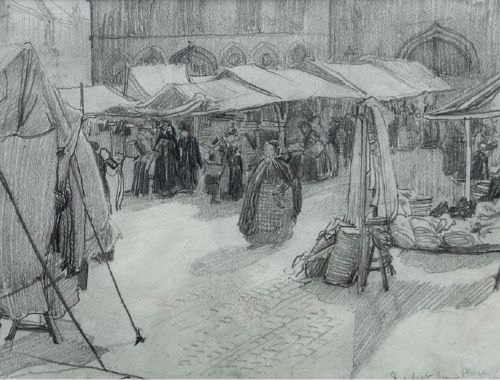
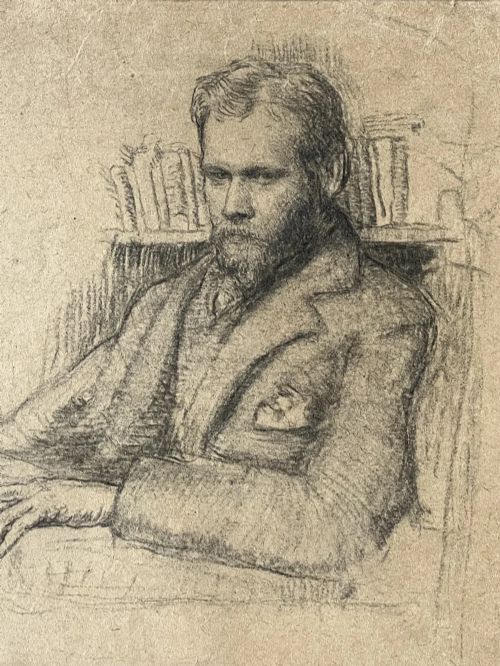
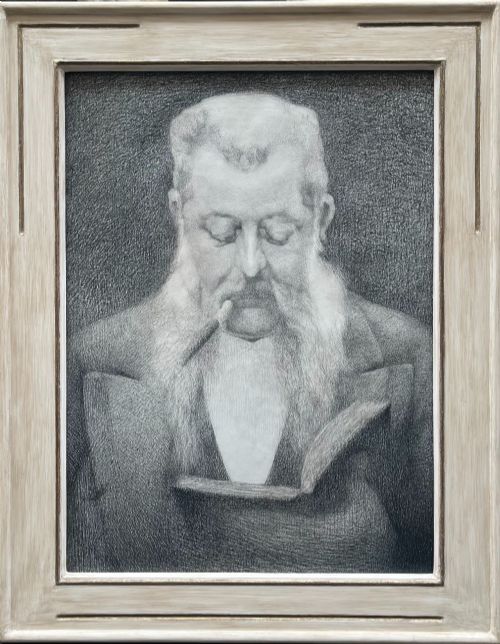
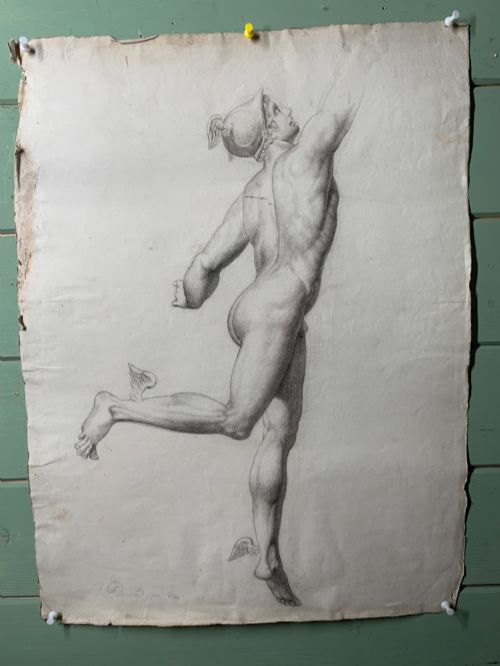
A vintage graphite sketch comprises original drawings on paper executed in pencil, graphite, and occasionally charcoal or ink. Buyers seek these original works for their immediacy, capturing everything from swift landscape studies to detailed academic portraits.
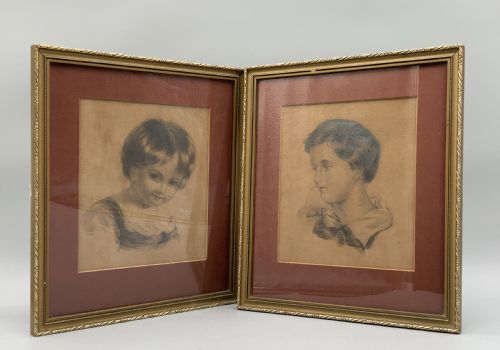
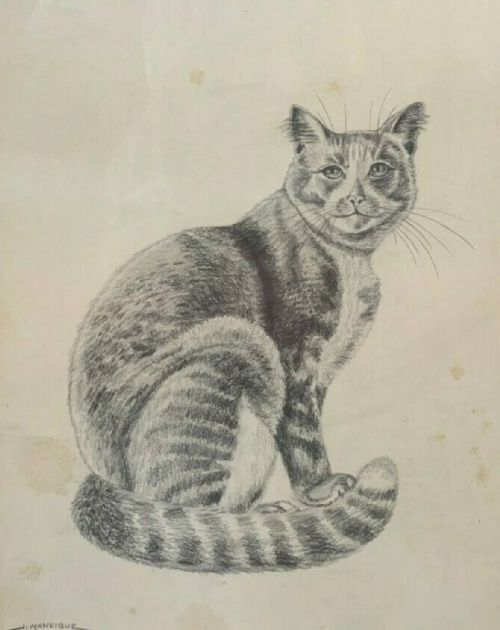
The selection ranges from Georgian and Edwardian academic drawings to mid-century character studies and modern British art. Portraiture and figure studies dominate, alongside architectural sketches and animal subjects.
Framed artwork and loose drawings appear in various formats, including pairs and collections. Pieces span distinct historical movements such as Regency, Symbolist, and Mid-Century Realism.
Materials and technique
Artists utilise graphite, pencil, charcoal, and ink applied directly onto paper supports. These dry media allow for varied line weights, delicate shading, and rapid gestural marks.
Framing often involves wood, glass, and gilded wood to protect the delicate paper surface. The interplay between soft graphite tones and the texture of aged paper defines the physical character of each piece.
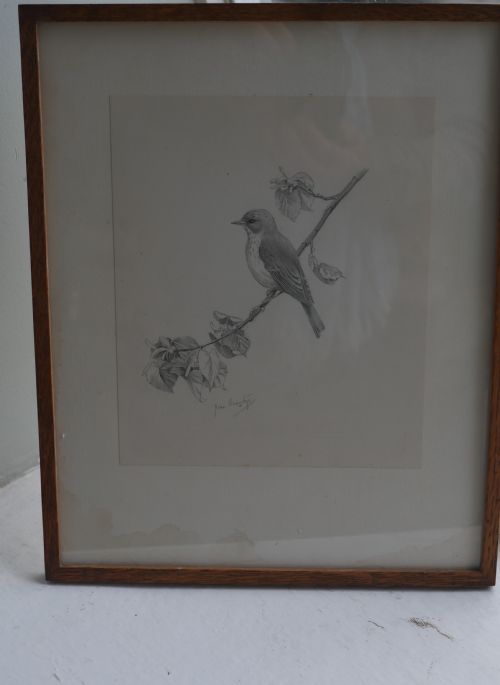
Several dogs peer out from the historic sketches, including a cheeky kitchen canine and a spotted flycatcher.
Assessing quality
Quality rests upon the confidence of the draftsmanship and the psychological depth of the subject matter. Masterly proportion in figure studies and expressive economy of line distinguish accomplished works from routine academic exercises.
The condition of the paper surface and the clarity of the medium significantly influence the impact of a drawing. Well-preserved works maintain crisp contrast between graphite tones and the historic paper ground without distracting discoloration.
Augustus John·Fred Lawson·Faeq Hassan·Juliet Pannett·Mariette Lydis
The Vintage Graphite Sketch Glossary
- Graphite
- A crystalline form of carbon used in pencils to create marks ranging from silvery grey to deep black. It forms the primary medium for these historical sketches.
- Academic drawing
- A detailed study produced in an art school setting, often focusing on anatomy, classical sculpture, or live models to build technical proficiency.
- Manner of
- A term indicating that a work is executed in the style of a specific recognised artist without being an authenticated piece by that hand.
- Symbolist
- A late nineteenth-century movement emphasising spiritual and psychological interiority rather than strict realism. Works in this vein often use suggestive imagery and dark, moody graphite tones.
- Provenance
- The documented history of a drawing's ownership and origin. Clear attribution adds context to signed sheets and identified portraits.
Vintage Graphite Sketch: Frequently Asked Questions
How should I frame a vintage pencil drawing?
Protect the paper by using acid-free mount board and framing under glass to prevent environmental damage.
Keep graphite works away from direct sunlight to avoid fading the delicate pencil marks over time.
How do I identify the period of a sketch?
Examine the paper watermark, framing style, and the clothing or hairstyle of portrait subjects for chronological clues.
Stylistic movements like Regency, Edwardian, or Mid-Century Modern also provide clear dating parameters.
Are these drawings signed by the artists?
Some sheets feature artist signatures, monograms, or studio stamps, while others remain completely unsigned.
Attributions for unsigned works often rely on stylistic comparisons, inscriptions on the reverse, or historical provenance.
What is the difference between a sketch and a study?
A sketch is typically a quick, spontaneous record of a scene or idea captured directly from observation.
A study focuses closely on a specific element, such as a hand or a figure, often in preparation for a larger finished painting.