
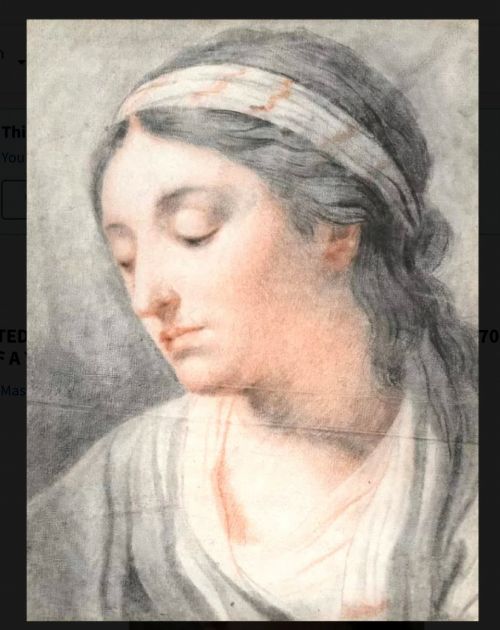
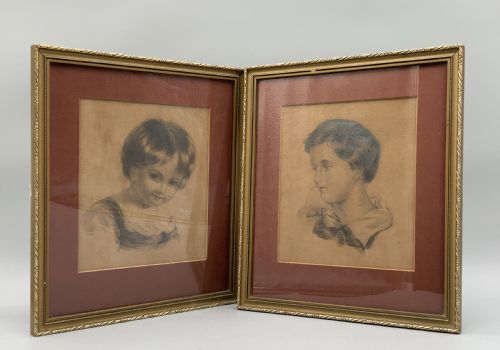


Pencil Sketch on Paper
Pencil sketch on paper captures the immediate hand of the artist across centuries, offering intimate studies, portraits and landscapes held in glass and wood frames.
Pencil Sketch on Paper
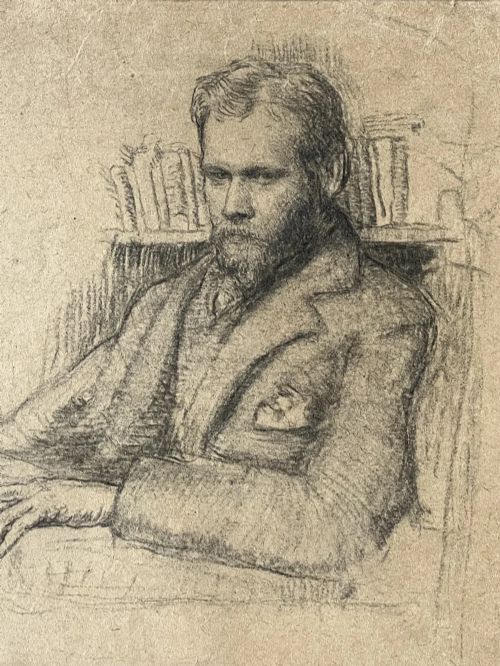
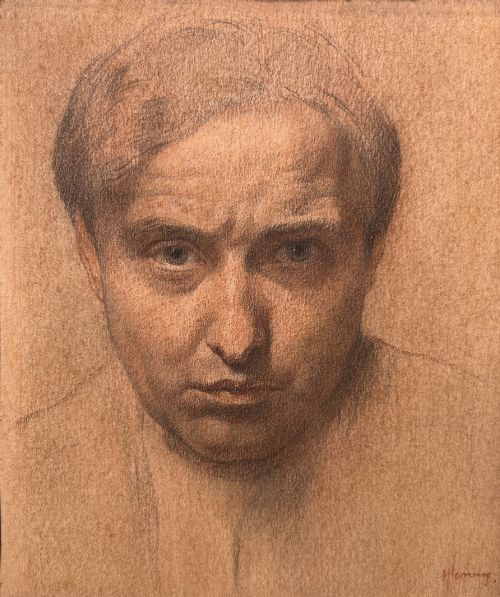
A pencil sketch on paper represents a direct, unfiltered record of an artist's observation, ranging from rapid compositional thoughts to highly finished portraiture. These works span multiple centuries, appearing in Georgian, Victorian, Edwardian and mid-century modern forms.
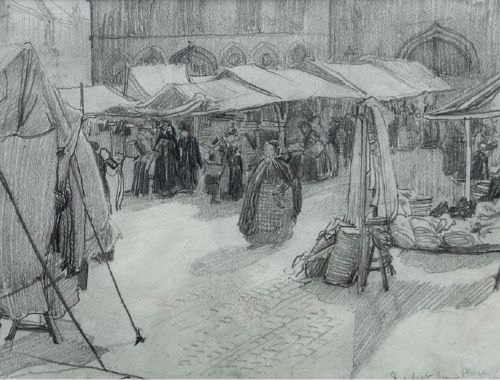
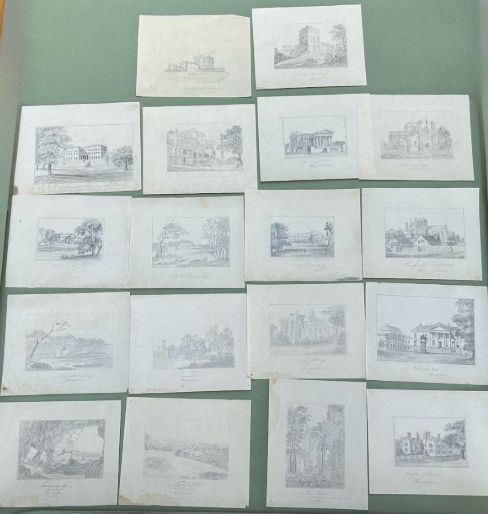
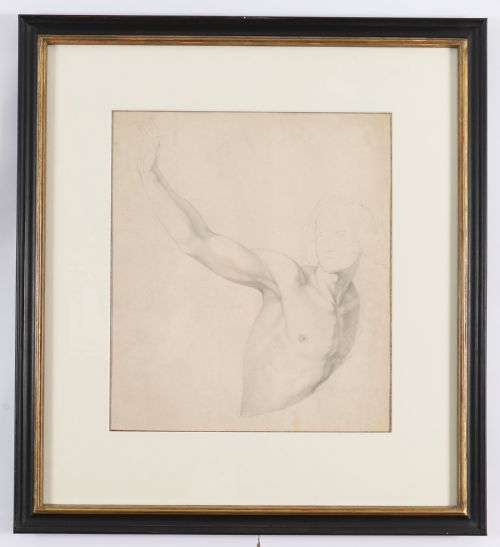
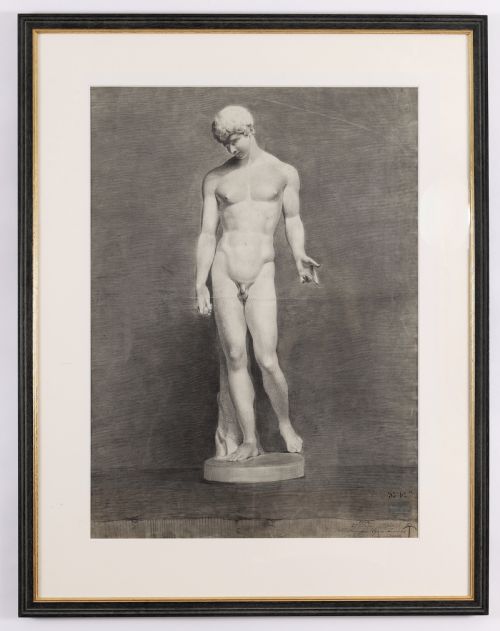
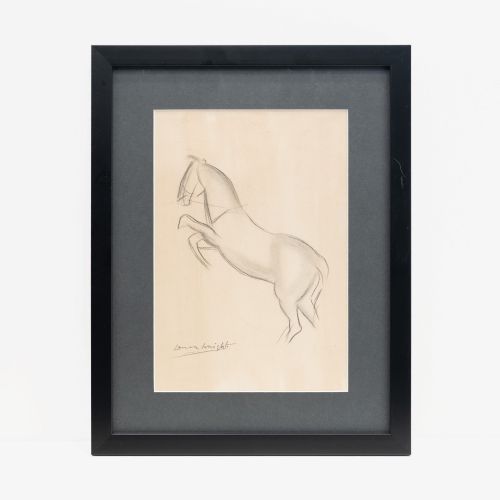
The selections on this page encompass original drawings, figural studies, architectural records and landscape views. Many arrive framed and glazed, preserving fragile paper supports that require careful protection.
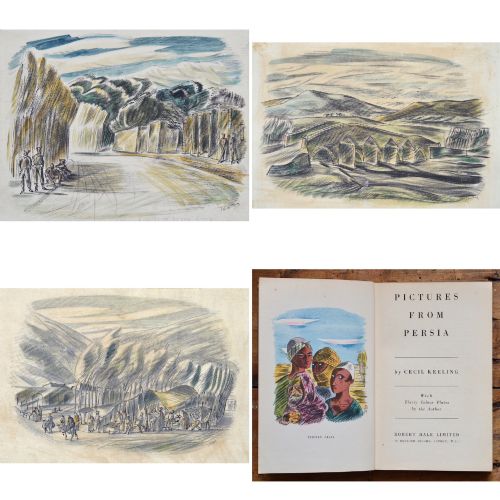
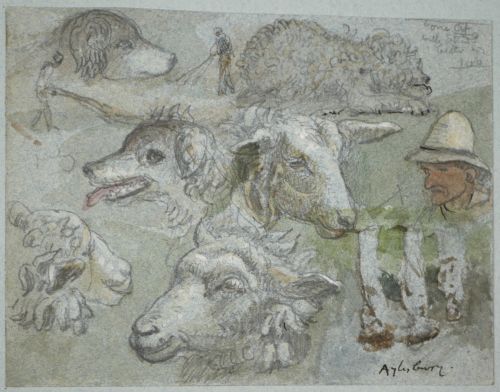
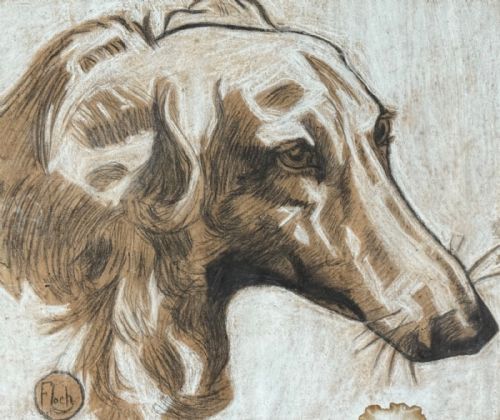
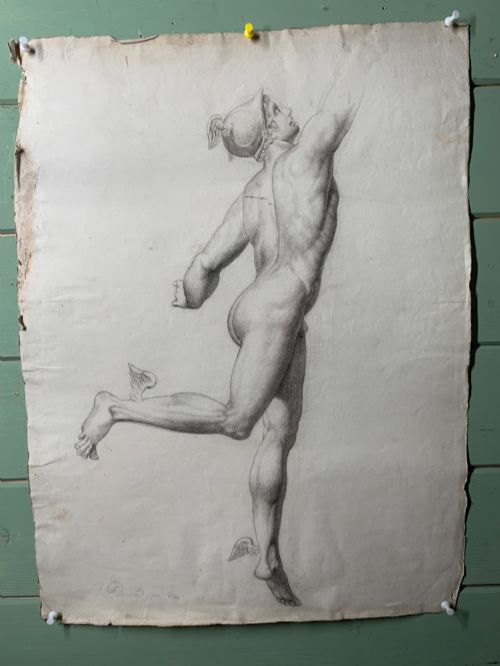
Subjects vary widely, covering animal studies, mythological copies, wartime scenes and precise botanical or topographical views. Collectors encounter both anonymous studio sheets and signed works by recognised hands.
How they were made
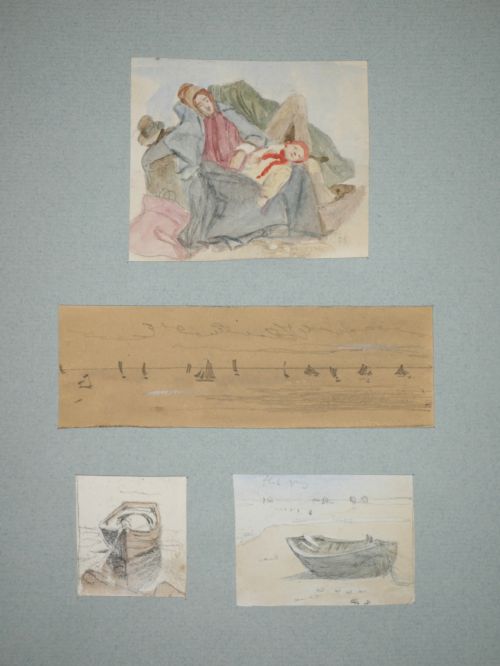
These works rely primarily on graphite, charcoal, chalk and pencil applied directly to various paper stocks, occasionally augmented with watercolour washes, gouache or ink. Artists utilised buff paper, embossed paper and standard drawing sheets depending on the desired tonal depth.
Execution techniques range from loose, gestural hatching in quick studies to meticulous academic realisms and precise architectural drafting. The support paper itself often shows age through natural toning, foxing or mounting marks that document its history.
The listings span multiple centuries, featuring graphite, chalk, watercolour and charcoal on various paper types across diverse styles.
What varies in quality
Quality rests upon the sureness of the draughtsmanship, the expressive economy of the line and the preservation of the paper support. Superior examples demonstrate a confident mastery of anatomy, perspective or tonal gradation without heavy reworking.
The significance of the subject and the clarity of provenance further separate works, particularly when studies relate to known published books, exhibitions or established artists. Originality of conception and strength of composition elevate a sheet above standard academic exercises.
Cecil Keeling·Henry Percy Huggill·James Smetham·Augustus John·Herbert Johnson Harvey·Dame Laura Knight·François-André Vincent·Sir Thomas Lawrence·Cipriani·Hans Holbein·Demetrios Galanis·Michael Lyne·Mariette Lydis·Charles Prosper Sainton·L.S. Lowry·Arthur George Walker
The Pencil Sketch on Paper Glossary
- Graphite
- A form of carbon used as a drawing medium, commonly referred to as pencil lead. It produces tones ranging from silvery grey to deep black.
- Gouache
- An opaque water-based paint frequently used alongside pencil to add highlights and blocks of flat colour to drawings. It dries to a matte finish.
- Foxing
- Brown spots and patches that appear on older paper due to chemical reactions over time. It is a common characteristic of antique sheets.
- Provenance
- The documented history of ownership of an artwork, establishing its authenticity and previous collections. Strong records add historical value to a drawing.
- Wash
- A thin, transparent layer of diluted watercolour or ink applied with a brush to create tonal depth behind pencil lines.
Pencil Sketch on Paper: Frequently Asked Questions
Are these works original or reproductions?
The pieces listed here are original hand-drawn works on paper, executed directly by the artist rather than printed mechanically. Close examination reveals the indentations of the pencil and texture of the graphite.
Some sheets relate to published books or later reproductions, but the drawing itself remains a unique historical object.
How do I date an antique pencil drawing?
Dating relies on stylistic markers of the period, artist signatures, inscriptions on the reverse, and the physical characteristics of the paper. Watermarks within the paper stock often provide a reliable window of manufacture.
Framing styles and historical subjects also offer vital clues to determine whether a piece originates from the Georgian, Victorian or mid-century eras.
How do I care for antique paper art?
Display drawings in rooms with stable humidity and temperature away from damp walls or direct heat sources. Environmental fluctuations cause paper to warp, fox or become brittle.
Professional conservation mounting ensures the sheet remains stable without being glued down directly to backing boards.