

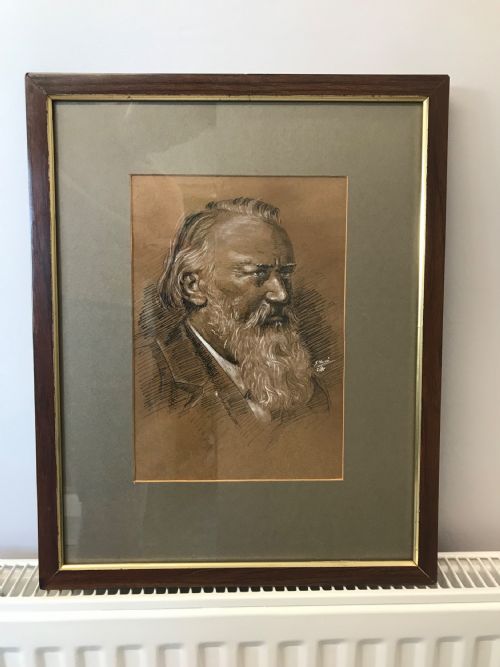
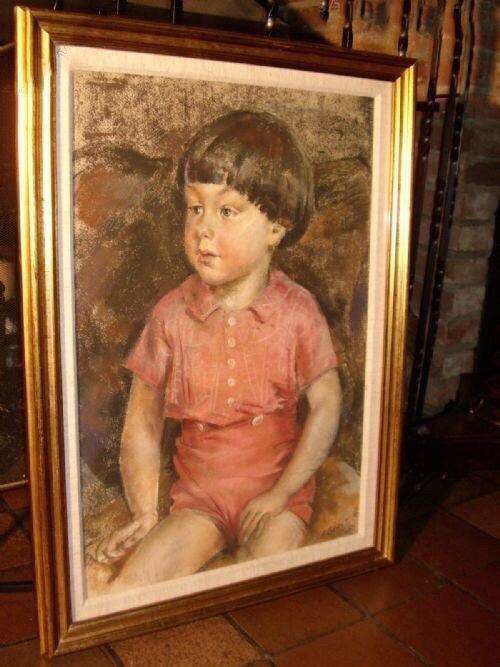
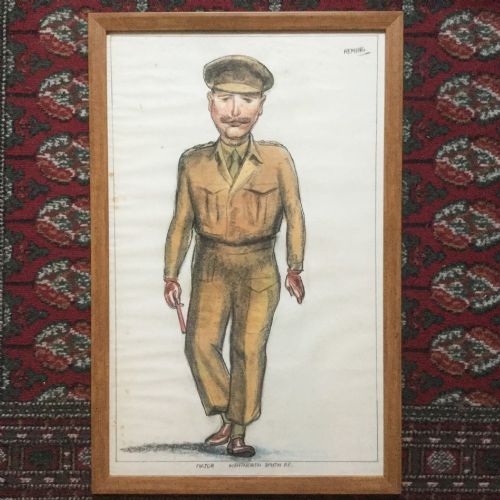
Vintage Framed Portrait Drawing
A vintage framed portrait drawing brings character to a room through hand-rendered likenesses preserved behind glass in period timber frames.
Vintage Framed Portrait Drawing
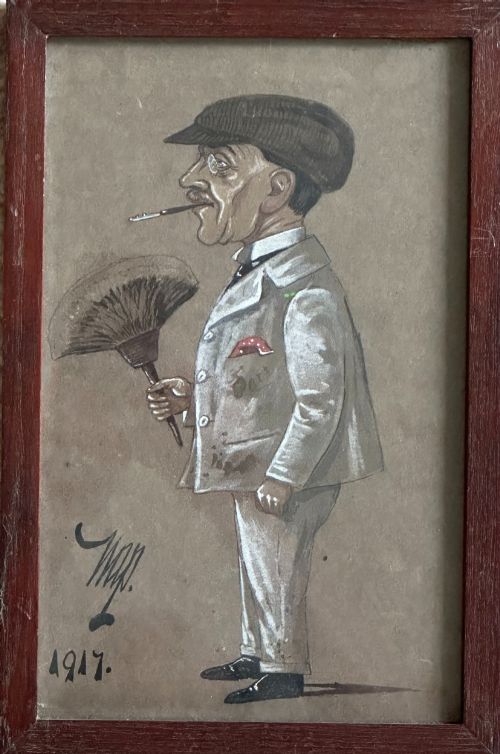
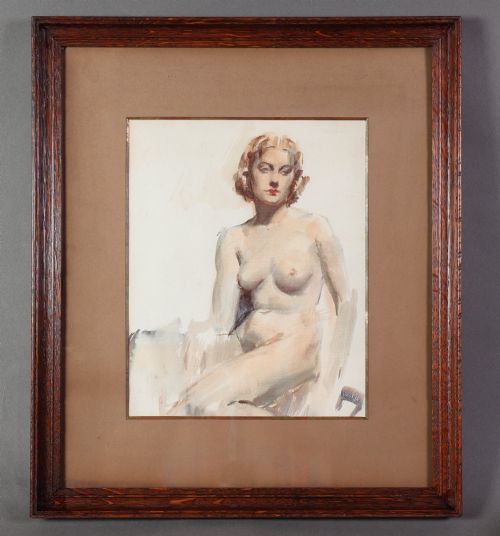
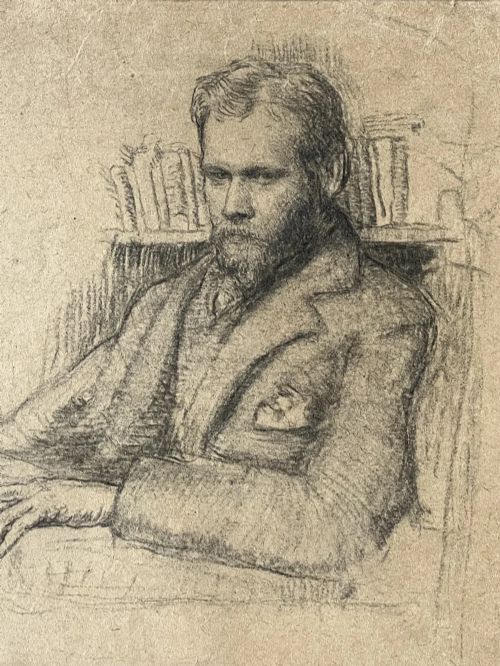
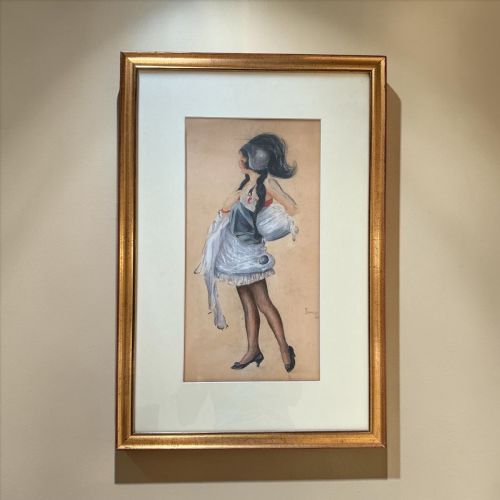
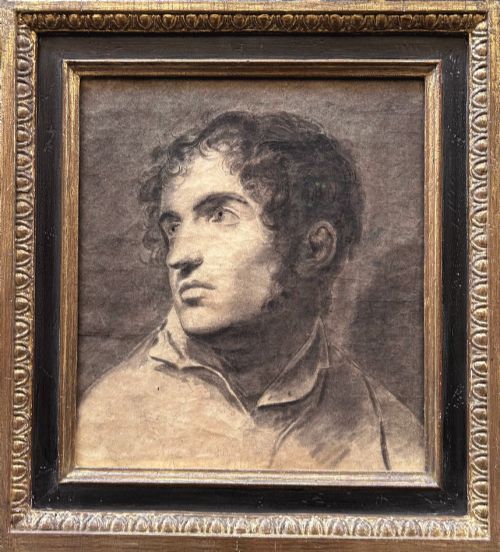
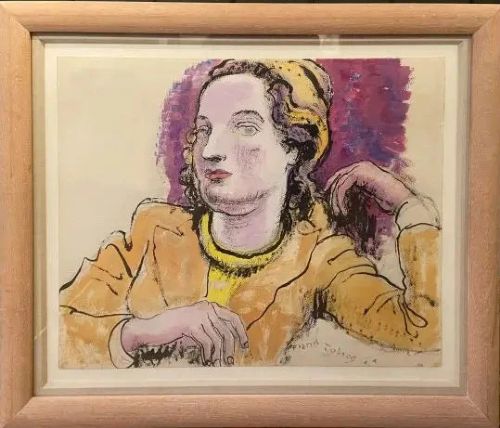
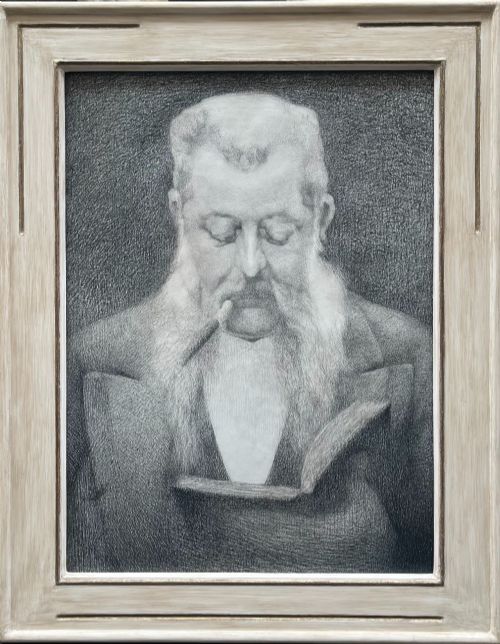
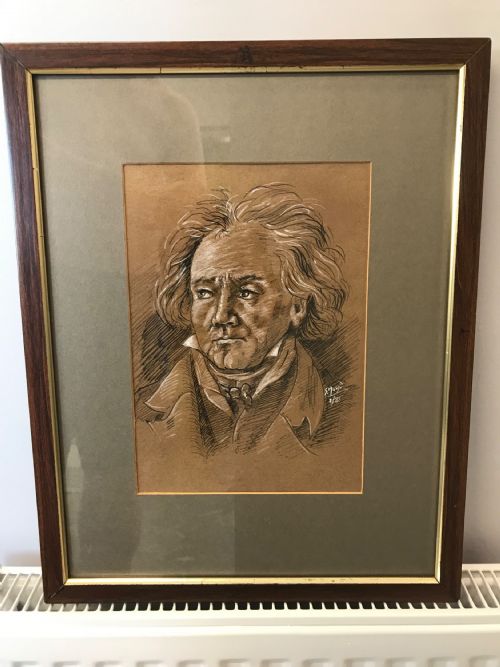
A vintage framed portrait drawing captures individual likenesses and character studies executed by hand on paper supports. When searching for a vintage framed portrait drawing, buyers encounter works spanning from the nineteenth century through the mid-twentieth century.
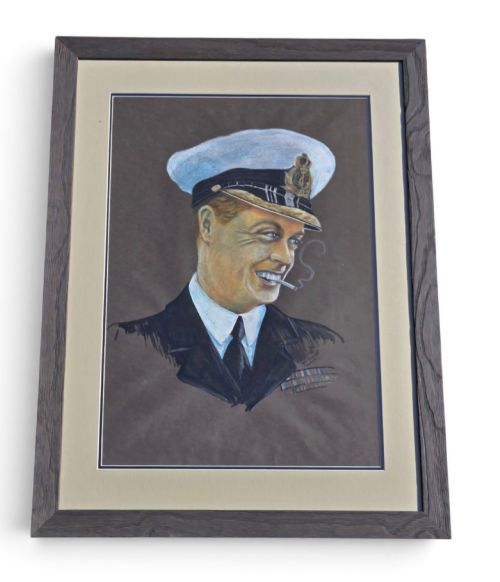
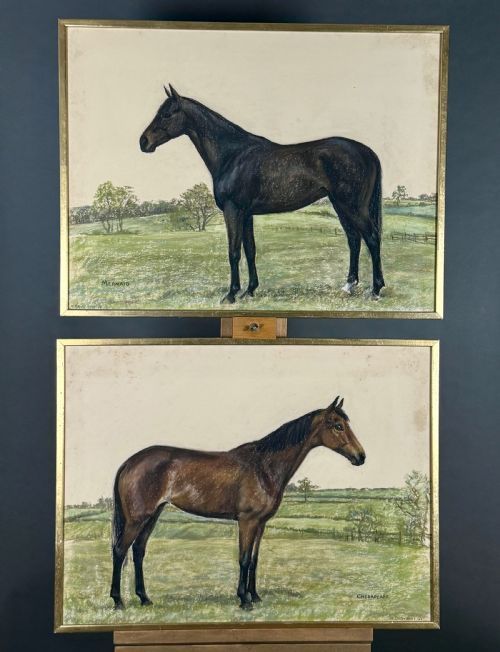
The selection ranges from academic life studies and wartime officer sketches to informal caricatures and animal portraits. These works typically arrive framed in wood, often protected beneath glass.
Materials and techniques
Artists utilised dry and wet media on paper, frequently combining pastel, charcoal, graphite, ink, and gouache. Buff paper and canvas surfaces also appear across the selection.
Framing involved timber mouldings fitted with glass to protect the delicate dry pigments and ink applications from atmospheric degradation.
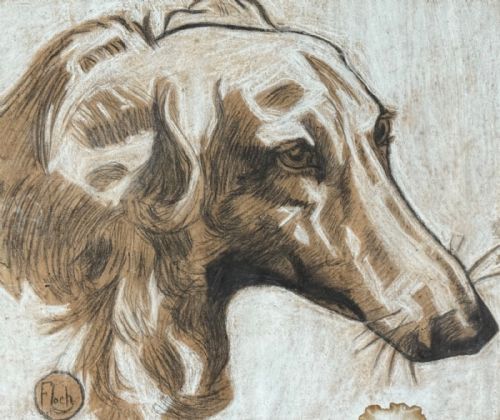
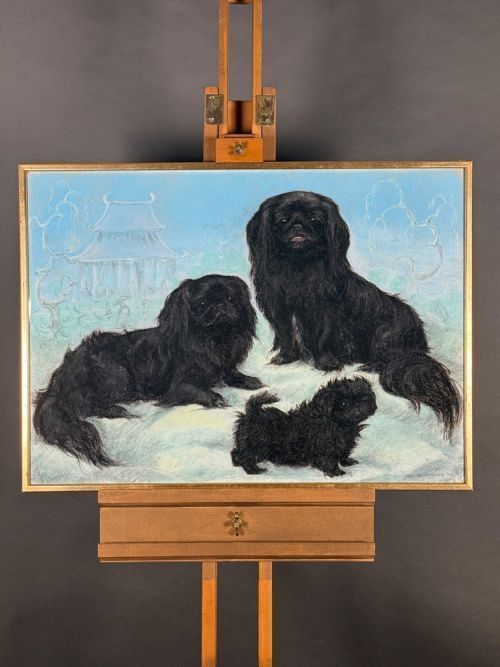
Animals make frequent appearances alongside human subjects, including studies of Borzoi dogs, Pekingese hounds, and a stylish cat in oil pastels.
Distinctions in quality
Quality rests upon the draughtsmanship and the confidence of the hand in rendering bone structure, expression, and anatomy. A master practitioner captures a living presence with minimal, decisive strokes.
The integration of the artwork with its period frame and the stability of the paper support contribute significantly to the standing of an individual piece.
Emily Eyres·Augustus John·Frank Dobson·Henry Arthur Roberts·Raoul Millais·Lucien Freud
The Vintage Framed Portrait Drawing Glossary
- Pastel
- A medium consisting of powdered pigment bound with a gum resin and pressed into stick form. It produces velvety colour fields requiring glass protection.
- Gouache
- An opaque water-based paint featuring pigment mixed with a water-soluble binder and inert white pigment. It offers dense, matte coverage.
- Plumbago
- An early form of black lead pencil used for detailed miniature drawings, particularly popular during the eighteenth century. The term derives from the Latin for lead ore.
- Academic Realism
- A style of painting and drawing produced under the influence of European academies of art. It emphasises precise anatomical accuracy and traditional techniques.
Vintage Framed Portrait Drawing: Frequently Asked Questions
How should I hang portrait drawings?
Hang these works away from direct sunlight to prevent the fading of fugitive pigments like pastels and watercolours.
Position them at eye level in rooms with stable humidity to protect both the paper support and the timber frame.
How do I identify the period of a drawing?
Examine the paper type, framing materials, and the style of clothing or hair depicted in the subject.
Signatures, dates inscribed on the reverse, and stylistic markers such as Edwardian dress or Art Deco linework provide further chronological context.
Why are pastels framed under glass?
Pastel pigment sits loosely on the paper surface and lacks a liquid binder to fix it permanently.
Glass creates a physical barrier that stops the pigment from smudging or transferring onto the mount over time.
What is an academic life study?
An academic life study is a rigorous drawing created to master human anatomy and proportions, often produced from a live model.
These pieces reflect formal training methods in European art schools during the nineteenth and early twentieth centuries.