




Antique Profile Sketch
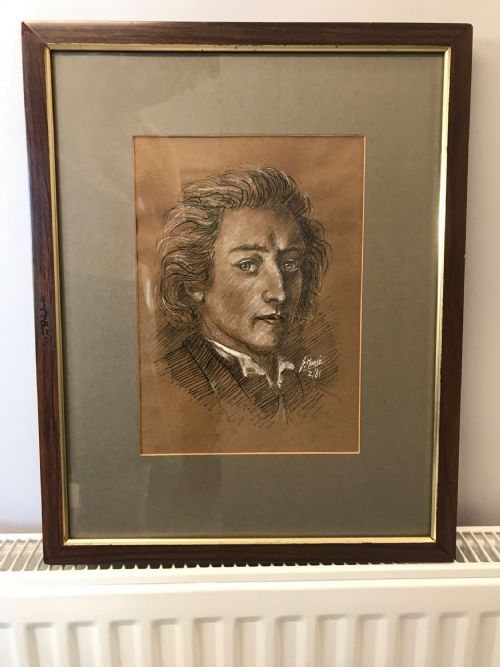
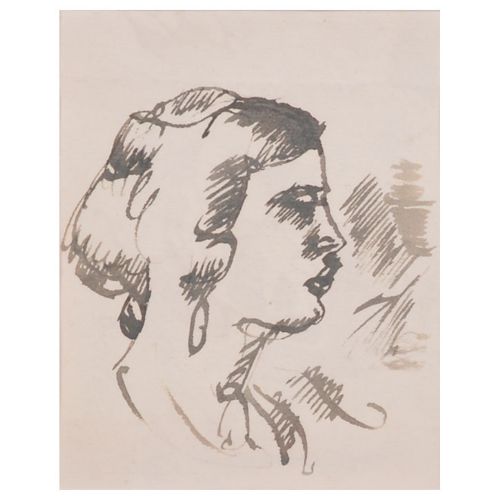
An antique profile sketch captures a likeness in outline and tone, offering a direct encounter with a sitter from centuries past.
Antique Profile Sketch
When you search for an antique profile sketch, you encounter works on paper executed in graphite, pencil, charcoal, plumbago, and watercolour. These pieces range from intimate family likenesses to studies of notable figures across the eighteenth, nineteenth, and early twentieth centuries.
The format focuses the eye entirely on the contours of the face and head, stripping away the distractions of a full-figure composition. You will find examples presented in period frames, including carved Florentine wooden surrounds.
Portraits span Georgian neoclassical delicacy, Victorian realism, and Edwardian subtlety. Many pieces capture named historical subjects, while others preserve the anonymous faces of past generations.
How they were made
Many works incorporate gouache highlights on paper surfaces, requiring steady hand-eye coordination to capture a likeness swiftly. These sheets were protected beneath glass within timber frames to preserve the fragile media from moisture and handling.
A bird makes an unexpected guest appearance, sharing the frame with a young girl in a watercolour portrait.
What varies in quality
The distinction between ordinary and exceptional work lies in the confidence of the draughtsmanship and the economy of line. A superior hand captures character and bone structure with minimal strokes, whereas lesser drawings rely on laboured shading to define a form.
Condition and presentation also dictate standing, particularly the survival of the original paper surface without heavy foxing or fading. The quality of the accompanying period frame, such as carved wood, completes the integrity of the piece.
James Ferguson·Ozias Humphry·John Duncan Fergusson·John Seymour Lucas·Francis Frank O A Haviland·Leo Klin·Sir Nathaniel Dance Holland·Sir Joshua Reynolds
The Antique Profile Sketch Glossary
- Plumbago
- An early form of pencil drawing utilising pure native graphite, popular for miniature and profile portraits in the seventeenth and eighteenth centuries. It yields a distinctive silvery grey tone.
- Gouache
- An opaque watercolour medium containing a binding agent, used to build bright highlights on paper. It provides dense areas of colour that contrast with transparent washes.
- Wash
- A thin, fluid layer of diluted ink or watercolour applied across paper to create shadow and atmosphere. Artists used washes to establish tonal depth behind linear pencil sketches.
- Framed Art
- Works presented behind glass within a protective border of wood or moulded material for display. This housing preserves fragile paper works from atmospheric damage.
Antique Profile Sketch: Frequently Asked Questions
How do I display an antique profile sketch safely?
Keep works on paper away from direct sunlight and high humidity to prevent the media from fading or the paper from degrading. Hang them on interior walls where temperature fluctuations remain minimal.
Ensure the glazing does not press directly against the surface of the drawing. Professional framing with acid-free backing boards protects the integrity of fragile graphite and watercolour mediums over decades.
How can I tell an eighteenth-century sketch from a later revival piece?
Examine the paper stock for watermark clues, chain lines, and rag content typical of early handmade paper manufacture. Eighteenth-century plumbago and ink works often display distinct ageing characteristics in the iron gall or carbon composition.
Stylistic conventions also provide strong indicators, as Georgian neoclassical profiles differ significantly in posture and clothing from Victorian or Edwardian interpretations.
What is the difference between plumbago and pencil drawings?
Plumbago refers specifically to works drawn with native black lead before the development of modern bonded graphite pencils. It creates a characteristic metallic sheen that distinguishes seventeenth and eighteenth-century portraiture.
Standard pencil drawings from later periods utilise refined graphite mixed with clay, yielding a more matte appearance on the paper surface.
Why are some profile sketches created as sets?
Artists frequently produced series of portrait drawings to document family members, social circles, or equestrian subjects together. These collections preserve domestic groupings and professional acquaintanceships from a single period.
Keeping a set intact maintains the historical narrative of the sitters. Separating them dilutes the contextual value of the original gathering.