




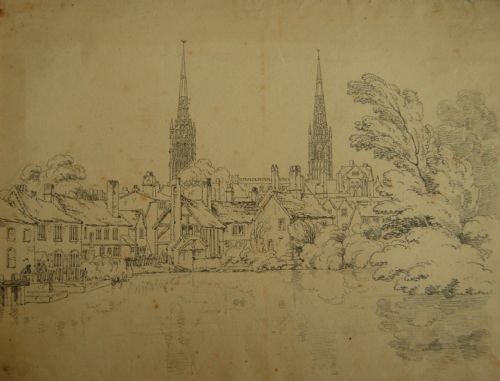
Architectural Pencil Sketch
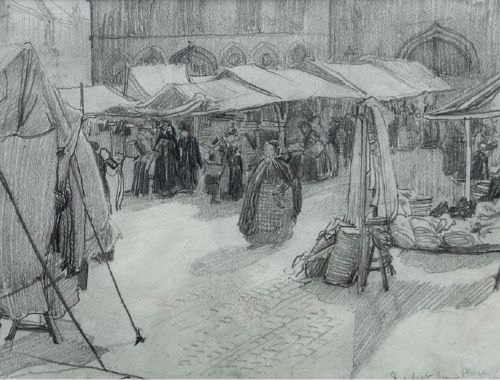
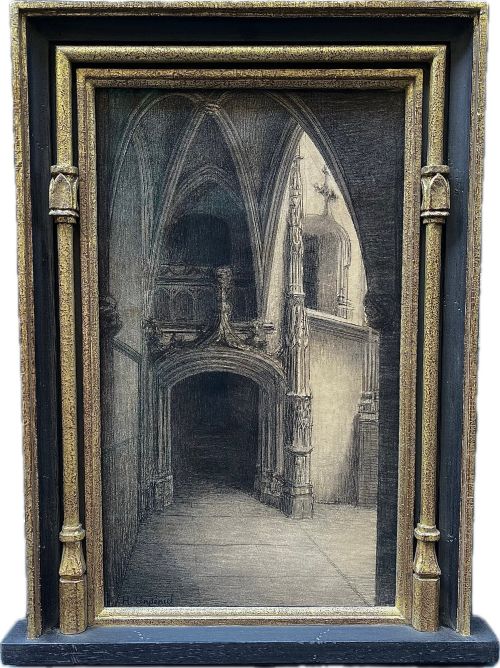
An architectural pencil sketch captures buildings and streets with precise lines, offering a direct view of past draughtsmanship.
Architectural Pencil Sketch
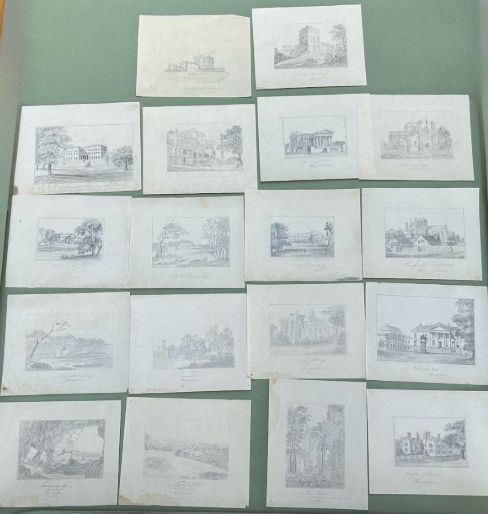
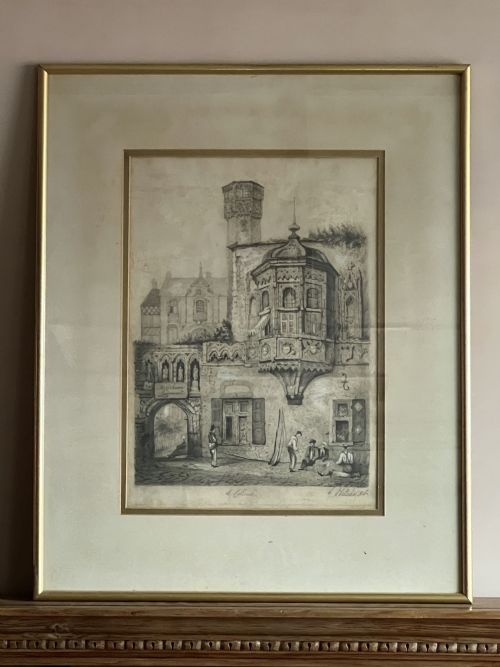
When you search for architectural pencil sketch, you encounter original drawings and studies rendered on paper using graphite and pencil. These works capture historic buildings, churches, and townscapes across the nineteenth and twentieth centuries.
The pieces on this page include framed artwork and wall art, often combining pencil with ink, watercolour, or wash. You will find specific studies of locations ranging from Cambridge colleges and Dublin gaols to continental European buildings and market squares.
The selection spans periods from around eighteen hundred through the Victorian era and into the mid-twentieth century. Many examples reflect early twentieth century British art and Gothic Revival styles, presenting detailed topographical records.
How they were made
These works rely on paper as the primary support, marked by graphite pencil, ink, and occasionally watercolour or wash. Artists worked directly on site or in studios, applying fine lines to map out perspective and structural detail.
Framing often involves wood and gilt wood surrounds, sometimes accented with gold leaf to complement the mounted drawings. The physical execution ranges from rapid academic sketch studies to finished watercolours of townscapes and churches.
Materials across these listings include paper, graphite, pencil, ink, wood, watercolour, gold leaf, and gilt wood.
What varies in quality
Quality rests on the sureness of the draughtsmanship and the clarity of the architectural perspective. Works by recognised artists or those bearing signatures and stamps demonstrate a higher level of professional execution.
The depth of the topographical detail and the condition of the paper and mountings distinguish finer academic studies from more routine sketches. Contextual inscriptions identifying specific buildings add considerable historical interest to the drawing.
Henry Percy Huggill·Henri Charles Angéniol·J W Hogley·Sir Francis Leggatt Chantrey·Fred Lawson·Henry Edridge·Edwin Ridsdale Tate
The Architectural Pencil Sketch Glossary
- Graphite
- A form of carbon used as the core in pencils. It produces the varied grey lines and tonal shading seen across these drawings.
- Wash
- A thin, transparent layer of diluted ink or watercolour applied to paper. Artists use it to add tonal depth behind pencil lines.
- Gothic Revival
- An architectural and artistic style drawing inspiration from medieval forms. It appears frequently in studies of churches and historic buildings.
- Topographical
- Representing exact places and buildings rather than imaginary scenes. These sketches serve as visual records of specific towns and structures.
Architectural Pencil Sketch: Frequently Asked Questions
What is an architectural pencil sketch?
It is an original drawing on paper that records buildings, streets, or structural details using graphite and pencil. These works range from rapid field notes to detailed studies of historic architecture.
Many examples incorporate ink, wash, or watercolour to build tone and depth around the primary pencil lines.
How do I date a sketch?
Dating relies on artist signatures, period inscriptions, paper characteristics, and stylistic clues within the depicted architecture. Clothing, street furniture, and vehicle types also provide chronological markers.
Some pieces bear explicit dates or artist stamps that place them firmly within the nineteenth or twentieth century.
How were these drawings displayed?
Original drawings are typically mounted behind glass within wooden frames to protect the delicate paper surface. Gilt wood and gold leaf mouldings frequently accompany works from the nineteenth and early twentieth centuries.
Proper framing shields the graphite and paper from atmospheric moisture and handling.
Are these works unique?
Every piece listed under this category is an original hand-drawn artwork rather than a print or reproduction. Even within collections of academic sketch studies, each sheet contains individual hand-drawn lines.
Artists produced these unique studies directly on paper during their travels or architectural projects.