
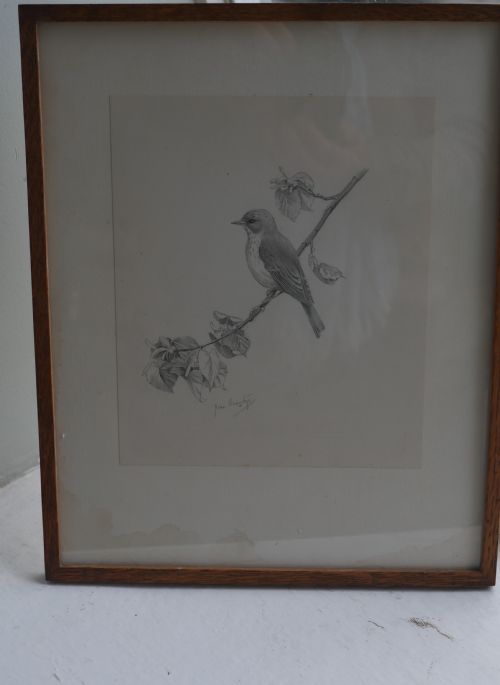


Monochrome Pencil Drawing
Monochrome pencil drawing works on paper capture direct studies in graphite, charcoal and plumbago ranging from Georgian portraiture to mid-century modernism.
Monochrome Pencil Drawing
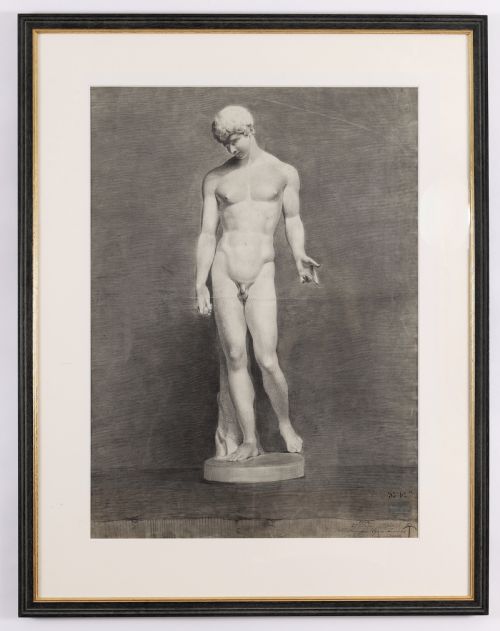
A monochrome pencil drawing records tonal observation through graphite, charcoal, plumbago and wash applied to paper surfaces. These works span academic studies of the human form, architectural recording and landscape observation produced across the eighteenth, nineteenth and twentieth centuries.
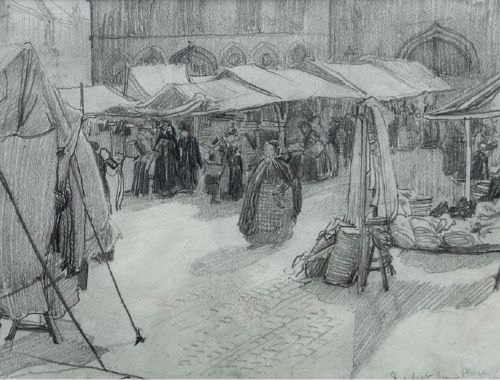
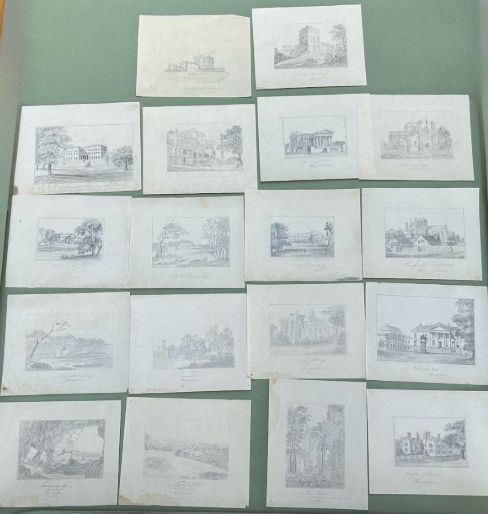
The format encompasses intimate portraiture, allegorical scenes and detailed still life studies framed behind glass in wood or giltwood mounts. Examples range from early nineteenth-century topographical sketches to 1920s surrealist graphite compositions and mid-century aeronautical studies.
Materials and construction
Artists apply graphite, charcoal and plumbago directly onto paper sheets, occasionally combining pencil with ink washes, watercolour highlights or gold leaf accents. These mediums allow for precise hatching, tonal shading and rapid gesture capture.
Finished works are typically housed in period frames of wood or giltwood, protected beneath glass to prevent smudging and degradation of the delicate carbon marks.
Monochrome Pencil Drawing Retail Price Guide 2026
Typical asking prices for monochrome pencil drawing among the pieces listed under this phrase on Sellingantiques today, from the lower quarter to the upper quarter. They describe what is for sale here now, not the wider market.
Listings feature works executed on paper using graphite, charcoal and plumbago across eighteenth, nineteenth and twentieth-century periods.
What distinguishes finer examples
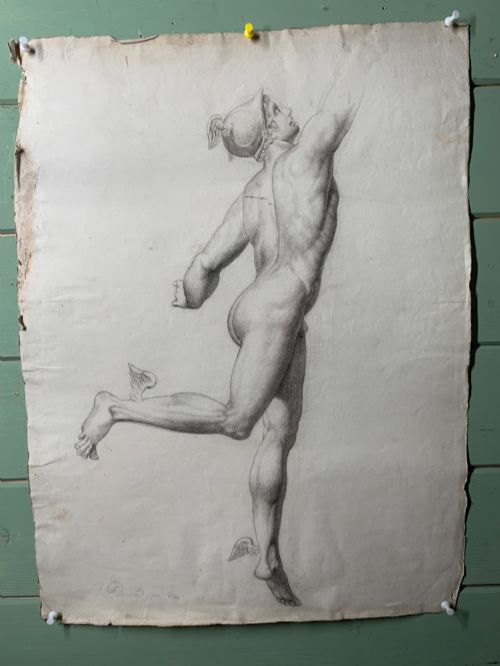
The distinction between standard studio exercises and accomplished works rests on the precision of line, confidence of tonal gradation and the artist's ability to render light and shadow convincingly across the paper surface. Stronger compositions demonstrate assured draftsmanship whether depicting human anatomy, architectural perspective or atmospheric landscapes.
Condition and preservation heavily influence standing, particularly the stability of the paper, absence of severe foxing and retention of original framing materials that protect the graphite from environmental damage.
Henry Percy Huggill·Henri Charles Angéniol·Dame Laura Knight·John Taylor·Augustus Edwin John·Fred Lawson·Charles Prosper Sainton·Faeq Hassan·Ernest Borough Johnson·Francis Dodd·Henry Edridge
The Monochrome Pencil Drawing Glossary
- Plumbago
- An early form of pencil drawing utilising native graphite, popular for highly detailed miniature portraits during the seventeenth and eighteenth centuries. These works exhibit extraordinary linear precision.
- Graphite
- A crystalline form of carbon used as the primary marking core in pencils, allowing artists to achieve varying degrees of hardness, depth and metallic sheen on paper.
- Grisaille
- A painting or drawing executed entirely in shades of grey or neutral monochrome, designed to simulate sculptural relief or establish tonal foundations.
- Academic Realism
- A style of painting and drawing produced under the influence of European academies of art, prioritising strict anatomical accuracy, classical proportion and detailed observational study.
Monochrome Pencil Drawing: Frequently Asked Questions
How do I care for a paper drawing?
Keep drawings away from direct sunlight to prevent fading of the paper support and graphite marks. Maintain stable humidity levels to avoid mould growth and foxing spots.
Ensure the piece remains sealed behind glass within its frame to protect the friable carbon medium from physical disturbance.
What periods do these drawings cover?
The available selection spans from the eighteenth century through the Georgian and Victorian eras into early twentieth-century movements. Mid-century modernist and aeronautical sketches represent later decades.
Each period reflects distinct training methods, from rigid academic realism to looser modernist interpretations.
How are these works usually framed?
Many examples retain period wooden or gilded frames that complement the era of execution. Glazing protects the delicate paper surface from dust and handling.
Original frames add contextual value while modern conservation framing ensures long-term preservation of acidic paper.
What subjects appear most frequently?
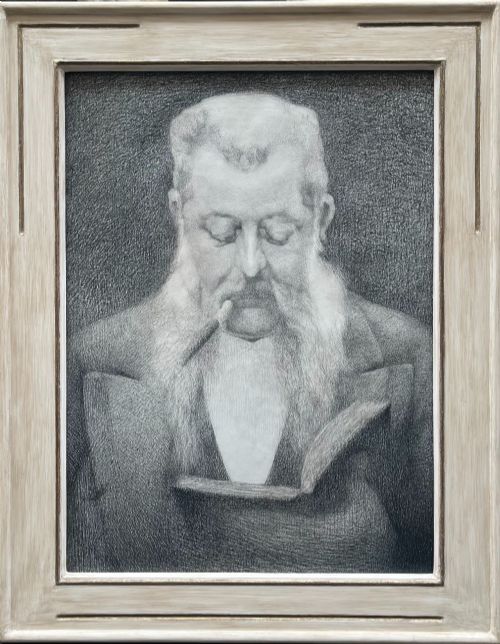
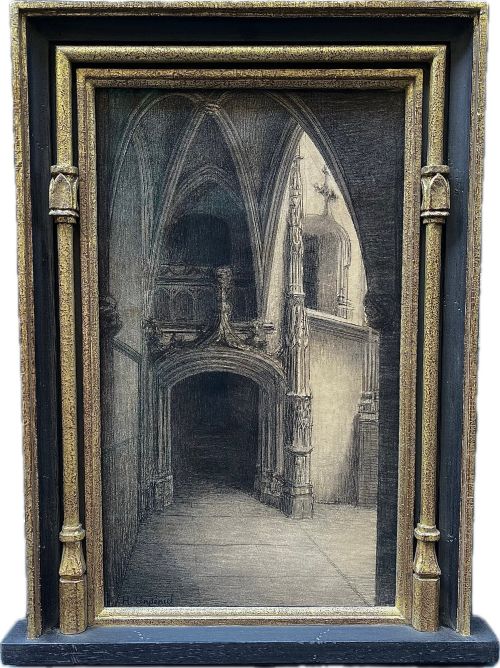
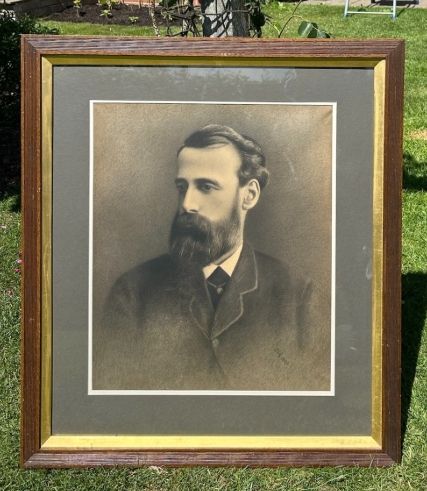
Portraits dominate the selection, ranging from detailed studies of gentlemen and ladies to specific historical figures. Architectural views, townscapes and landscape sketches also feature prominently.
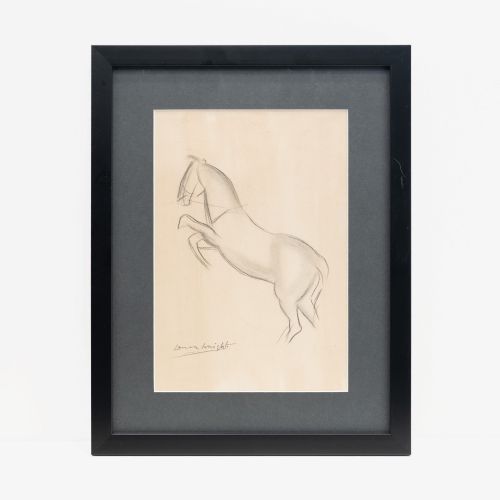
Other recurring subjects include animal studies, allegorical scenes and still life compositions.