







Framed Maritime Artwork
Framed maritime artwork captures the enduring pull of the sea, bringing historic vessels, coastal havens and open waters directly onto the wall.
Framed Maritime Artwork
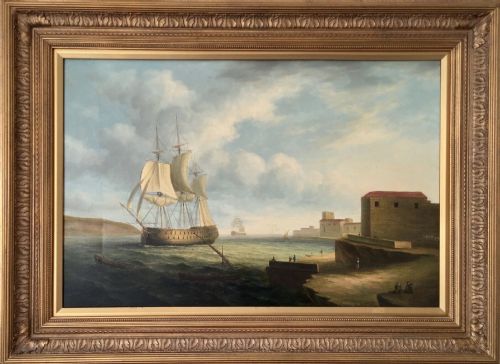
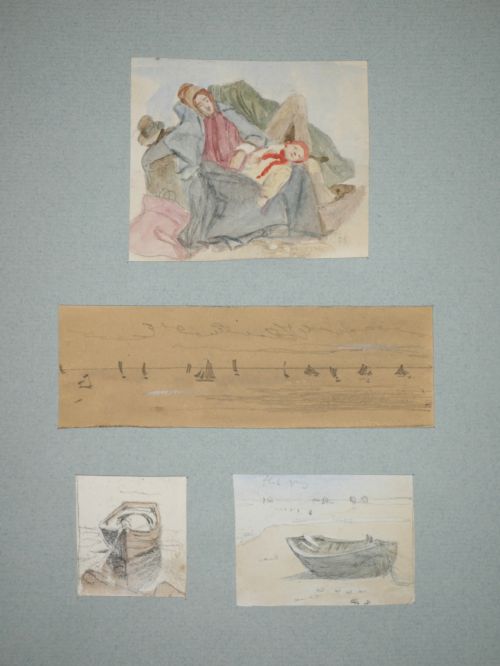
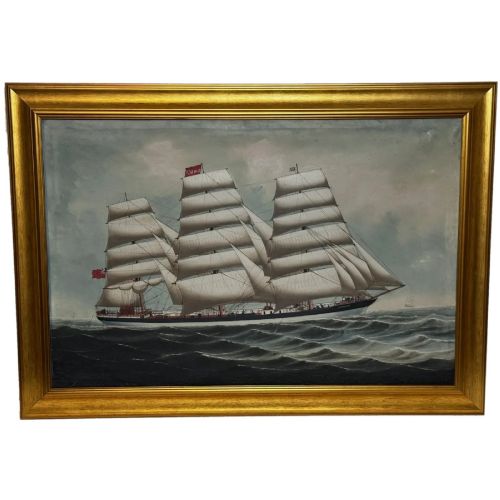
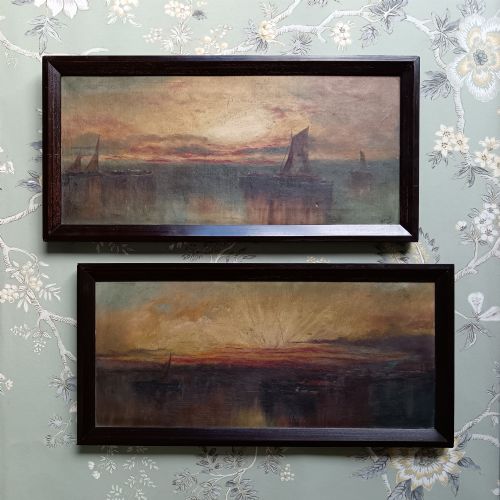
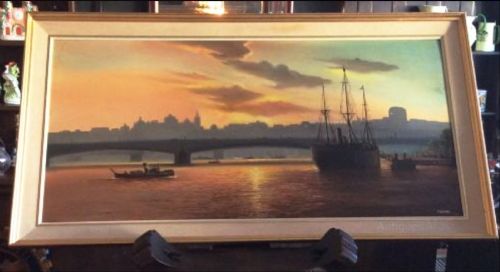
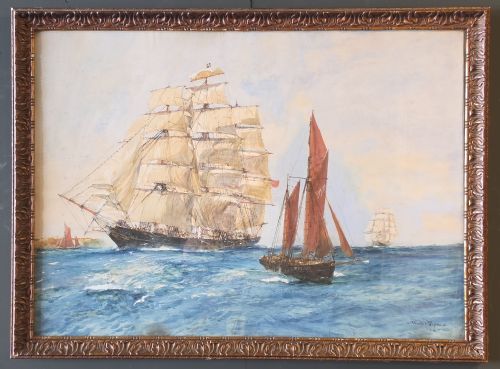
When searching for framed maritime artwork, buyers encounter a diverse range of pieces depicting ships, harbours and coastal scenes across several centuries. The selection spans quiet beach views with fishing boats to dramatic depictions of warships and naval battles in heavy seas.
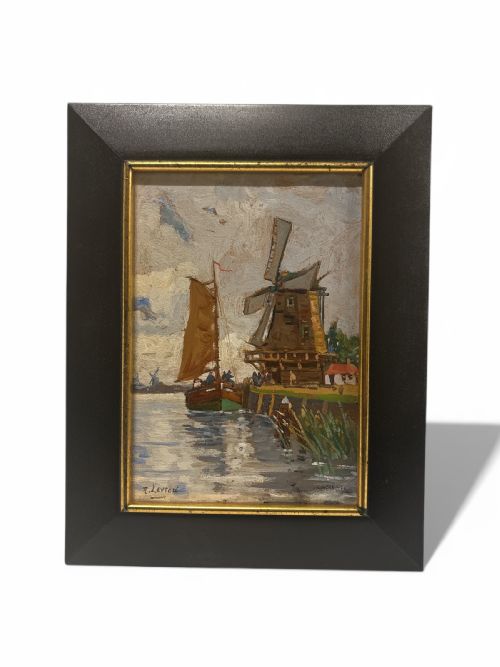
The most common examples on this page date from the nineteenth and twentieth centuries, incorporating Victorian and Edwardian works alongside later twentieth-century interpretations. These pieces appear in various mediums, predominantly oil paintings and watercolours housed within protective frames.
Subjects range from specific historical vessels and local British ports to international harbours and imaginative seascapes. Works on paper and canvas alike reflect the changing artistic approaches to water, light and maritime architecture through time.
Materials and construction
The physical composition of these works relies heavily on traditional supports such as canvas, wood panels, paper and board. Artists applied oil paint, watercolour, gouache or pastel to capture the shifting tones of sky and sea.
Frames play a crucial structural and aesthetic role, constructed from wood and frequently finished with gilt or moulded details. Glass commonly protects works on paper and watercolours from environmental moisture and damage.
Ships brave sudden gales and choppy waves across these walls without ever requiring a single seasickness tablet.
Distinctions in quality
Quality in these pieces rests upon the artist's command of light, movement and atmosphere in rendering water and vessels. Superior examples demonstrate confident brushwork and precise anatomical depiction of rigging and hull structures.
The integration between the artwork and its period frame contributes significantly to the overall integrity of the piece. Handling of perspective and the convincing representation of weather conditions distinguish masterly executions from simpler decorative works.
James Orrock·James Smetham·Eugène-Louis Gillot·William McAlpine·Bonaventura Peeters
The Framed Maritime Artwork Glossary
- Gouache
- An opaque watercolour paint that dries to a matte finish, allowing for vibrant colour blocks and fine detail.
- Seascape
- A work of art depicting the sea, coastlines, ships or maritime activities.
- Panel
- A rigid flat support, often made of wood, used by artists as an alternative to stretched canvas.
- Gilt
- A thin layer of gold leaf or gold paint applied to wooden frames for decorative enrichment.
Framed Maritime Artwork: Frequently Asked Questions
How do I identify a 19th-century maritime painting?
Nineteenth-century works typically display traditional rigging details, period vessel types such as galleons or steamships, and distinct clothing styles on any figures present. Pigments, canvas preparation and framing techniques further assist in dating these historic pieces.
Examination of signature styles, artist records and historical events depicted in the artwork provide additional verification for the period of creation.
What is the difference between oil and watercolour marine art?
Oil paintings utilise slow-drying pigmented oils on canvas or panel, offering rich textures, deep colour saturation and a glossy or satin finish. Watercolours use water-soluble pigments on paper, creating a more translucent and luminous effect.
Oils generally require sturdy wooden frames without glass, whereas works on paper need glass protection to prevent environmental degradation.
How should I hang maritime artwork at home?
Maritime pieces benefit from wall placement away from direct sunlight and excessive humidity to protect paper, canvas and gilt frames. Adequate spacing allows detailed ship rigging and coastal lighting to be appreciated from a comfortable distance.
Pairing pieces with complementary frame styles enhances continuity when grouping multiple coastal works together on a wall.
Are all framed maritime artworks British?
While many listings feature British coastal scenes, vessels and artists, the category also encompasses international locations and European schools. Depictions range from local Cornish harbours to Mediterranean ports and Dutch waters.
Signatures, subject matter and historical records usually indicate the specific geographic origin of each individual piece.