



Black Framed Nautical Art
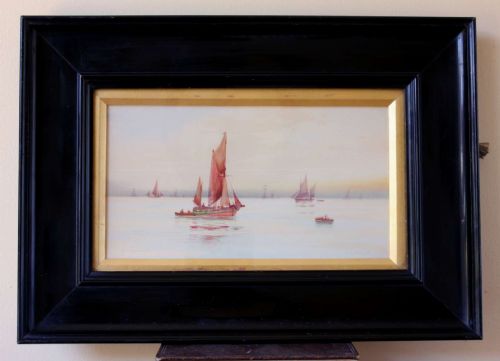
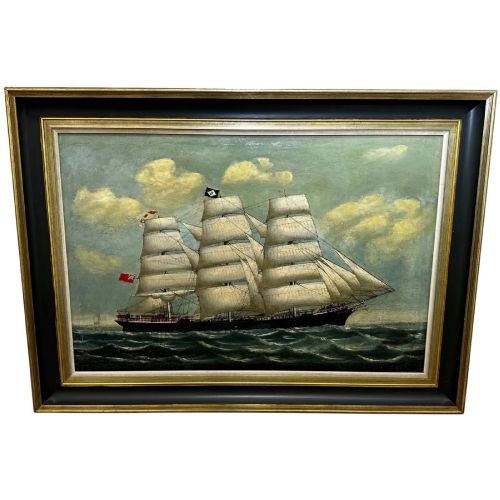
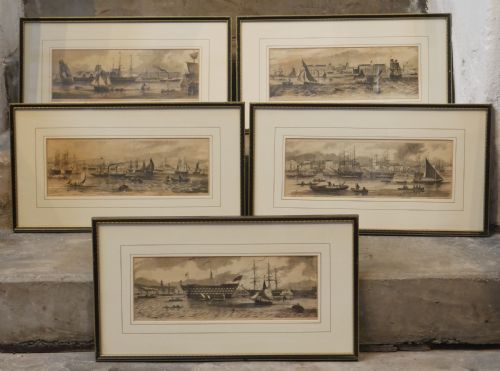
Black framed nautical art brings maritime history onto the wall through nineteenth-century oil paintings, naval engravings, and antique maps.
Black Framed Nautical Art
Black framed nautical art encompasses wall art, oil paintings, framed prints, and charts capturing maritime subjects across the nineteenth and twentieth centuries. Buyers seeking black framed nautical art will encounter items spanning the Victorian era, the 1850s, 1860s, and mid-century pieces.
The selections on this page range from oil paintings on canvas and panel to detailed aquatints, engravings, watercolours, charcoal drawings, and historic maps of locations like Liverpool and the Isle of Man.
Subjects frequently depict named vessels, coastal scenes, dockyards, and whaling expeditions, often presented in the dark frames that suit these maritime works.
How these pieces were made
The works utilise traditional media including oil paint on canvas, watercolour, pencil, charcoal, and ink applied for published aquatints and engravings.
Framing relies on wood finished with dark surfaces, sometimes complemented by gilt or gold leaf detailing to frame the paper or canvas works.
Black Framed Nautical Art Retail Price Guide 2026
Typical asking prices for black framed nautical art among the pieces listed under this phrase on Sellingantiques today, from the lower quarter to the upper quarter. They describe what is for sale here now, not the wider market.
Cardigan Bay witnessed a very large commissioned photograph of a sailing ship, proving that mariners loved a grand portrait as much as any Victorian aristocrat.
What varies in quality
Quality rests in the precision of the draughtsmanship and the historical weight of the subject, distinguishing rapid sketches from finished commissioned oil paintings or contemporary prints after artists like W J Huggins.
The condition of the paper, canvas, and framing materials determines the visual impact, separating crisp, legible charts and engravings from aged examples showing heavy fading or restoration.
Lai Fong·W Collard·W J Huggins·John Scott Russell·Snaffles
The Black Framed Nautical Art Glossary
- Aquatint
- An intaglio printmaking technique that produces tonal effects resembling watercolour washes. It was frequently utilised for maritime series and coastal views.
- Engraving
- A print made by cutting lines into a metal plate to hold ink. This method captured fine rigging and architectural details in naval dock scenes.
- Marinescape
- A work of art depicting the sea, ships, or coastal views. These pieces form the core of maritime subject matter.
- Aquatic Chart
- A navigational map detailing harbours, coastlines, and depths. Historical examples record operational shipping routes and port geographies.
Black Framed Nautical Art: Frequently Asked Questions
What periods do these pieces date from?
The works span the nineteenth and twentieth centuries, with dates stretching from the 1830s through the Victorian period and into the mid-century eras.
Individual items carry specific dates or stylistic markers tied to Victorian, Regency, and mid-century aesthetic traditions.
What materials are used in these works?
Materials include oil paint on canvas, paper for engravings, watercolours, charcoal, and wood for the surrounding frames, occasionally enhanced with gold leaf.
Paper works are typically protected under glass to preserve the delicate media from environmental moisture and dust.
How do I identify a ship portrait?
Ship portraits usually feature a named vessel shown in profile or manoeuvring in coastal waters, often created to document specific merchant clippers or naval vessels.
Inscriptions on the mount or canvas often record the vessel name, the captain, or the specific location of the depicted scene.
Are these works original or reproduction prints?
The selection includes both unique original works such as oil paintings and watercolours, and period prints including nineteenth-century engravings and aquatints.
Descriptions specify whether a piece is an original painting, a hand-coloured print, or a published chart from the era.
How do I hang and care for antique maritime art?
Maritime art on paper and canvas requires placement away from direct sunlight to prevent the fading of watercolours, inks, and oil pigments.
Stable indoor humidity protects both the wooden frames and the organic components of canvas and paper substrates over time.