





Grey Graphite Drawing
Grey graphite drawing works display subtle monochrome tones on paper, offering direct contact with an artist's hand from the nineteenth and twentieth centuries.
Grey Graphite Drawing
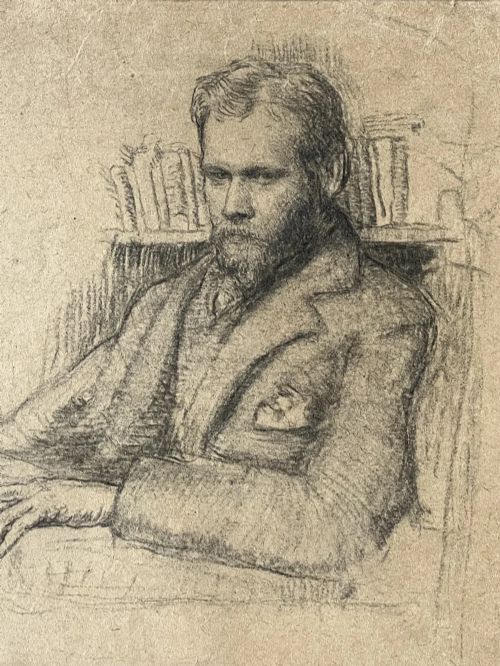
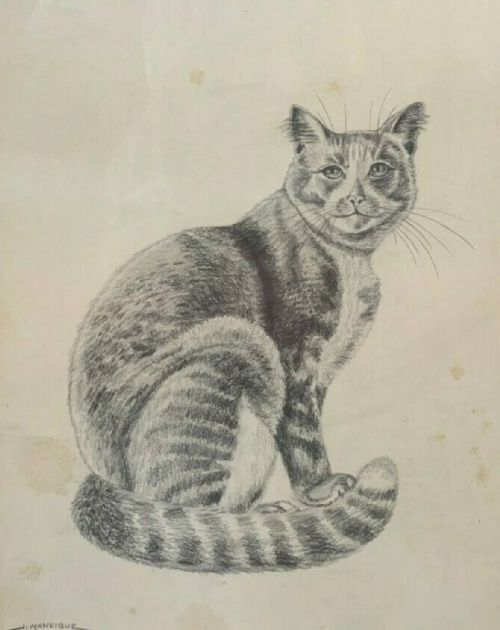
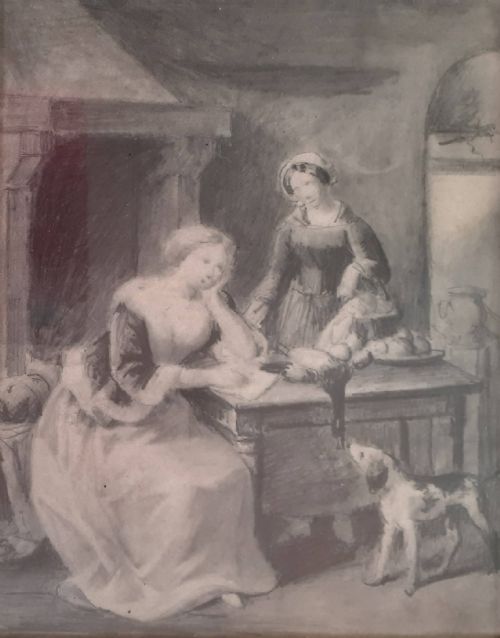
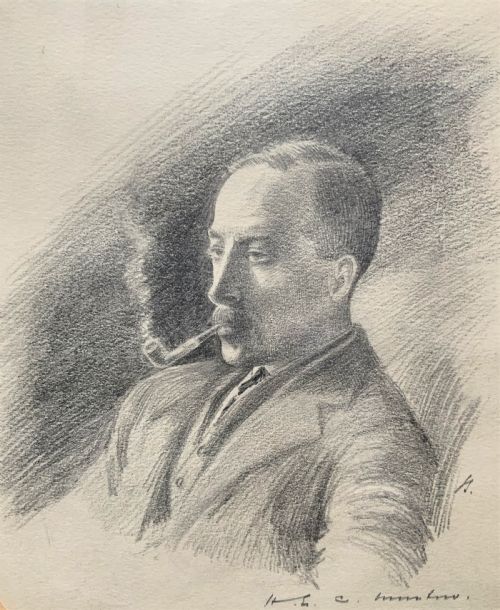
A grey graphite drawing is an original work on paper executed in pencil, graphite, or grisaille, spanning periods from the mid-nineteenth century to the mid-twentieth century. These pieces encompass varied subjects including portraits, maritime scenes, still life, and surrealist compositions.
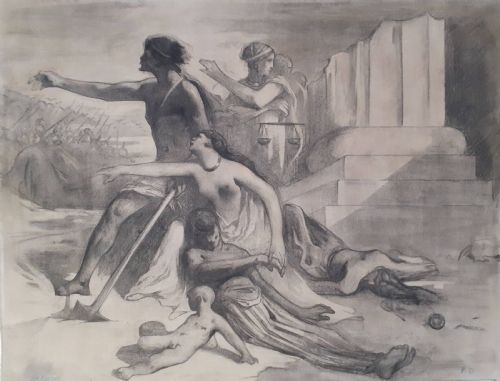
Buyers will encounter works from specific historical contexts such as the Victorian era, the Edwardian period, and early twentieth-century British art. These drawings range from intimate portrait studies to large academic and allegorical compositions.
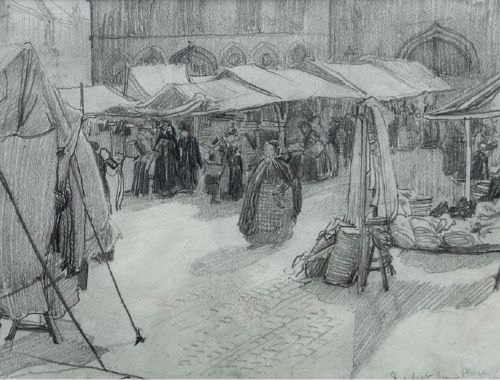
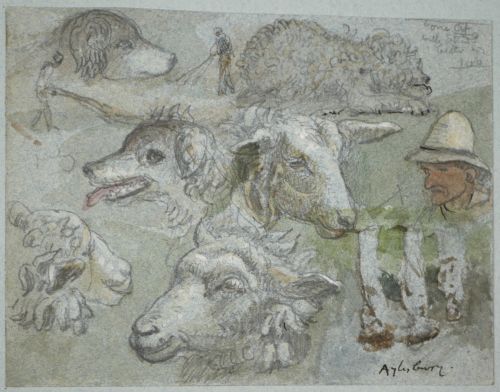
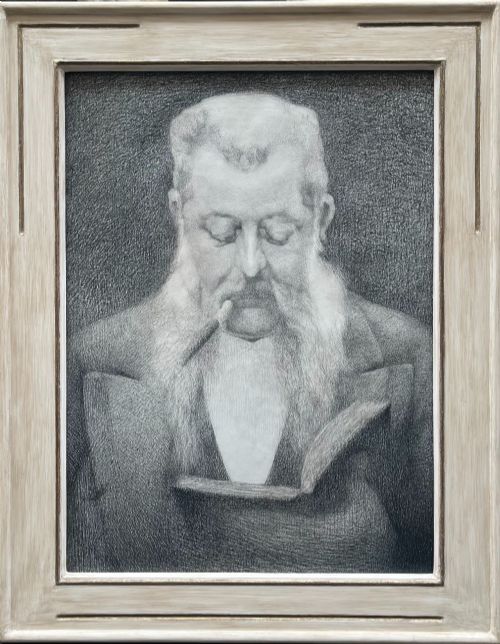
The selection includes signed works by named artists alongside pieces from French and English schools. Subjects stretch from domestic animals and urban markets to dramatic symbolist portraits.
Assessing the work
Quality in a grey graphite drawing rests on the sureness of the line, the sensitivity of the tonal gradation, and the strength of the composition. Skilled draftsmanship captures expression and volume economically, whereas weaker pieces rely on laboured or hesitant marks.
The preservation of the paper surface and the clarity of the medium also dictate standard. Strong works retain crisp contrast without excessive fading or damp staining across the sheet.
Grey Graphite Drawing Retail Price Guide 2026
Typical asking prices for grey graphite drawing among the pieces listed under this phrase on Sellingantiques today, from the lower quarter to the upper quarter. They describe what is for sale here now, not the wider market.
Periods represented span from the Victorian era into mid-century realism.
James Smetham·Augustus John·Dame Laura Knight·Alexandre Decamps
The Grey Graphite Drawing Glossary
- Graphite
- A form of crystalline carbon used in pencils that leaves a grey metallic mark on paper. It allows for a wide range of tones from faint silvery highlights to deep charcoal shadows.
- Grisaille
- A painting or drawing executed entirely in shades of grey or neutral monochrome. This technique often mimics the appearance of sculpture or relief work.
- Toned paper
- Paper manufactured with a pre-existing colour such as grey, buff, or tan rather than pure white. Artists use it to build highlights with white chalk and shadows with dark graphite.
- Symbolist
- An artistic movement originating in the nineteenth century that favored spiritual and metaphorical subjects over strict realism. These works use symbolic images and dreamlike motifs to convey hidden meanings.
- Academic
- Art created in accordance with the strict rules and high standards of nineteenth-century European art academies. Such drawings emphasise rigorous proportion, anatomical accuracy, and detailed shading.
Grey Graphite Drawing: Frequently Asked Questions
How do I care for a graphite drawing?
Keep the framed artwork away from direct sunlight to prevent the paper from yellowing and the graphite from fading over time.
Ensure the piece hangs in a stable environment with low humidity to protect both the paper support and the wooden frame.
Are these drawings original works?
Yes, every piece listed is a unique, hand-drawn original created directly on paper rather than a mechanical reproduction or print.
Artists used pencils, graphite sticks, and occasionally chalk to build the image by hand.
What subjects appear in these drawings?
The subjects range widely from portrait studies and domestic animal sketches to maritime rigging and allegorical battle scenes.
Many capture everyday moments, theatrical entrances, or surrealist and symbolist visions from the nineteenth and twentieth centuries.
How do I date a graphite drawing?
Dating relies on signature evidence, stylistic markers of periods like the Victorian or Edwardian eras, and occasionally inscriptions or framing.
Paper characteristics and subject matter also help place the work within nineteenth or mid-twentieth-century traditions.