


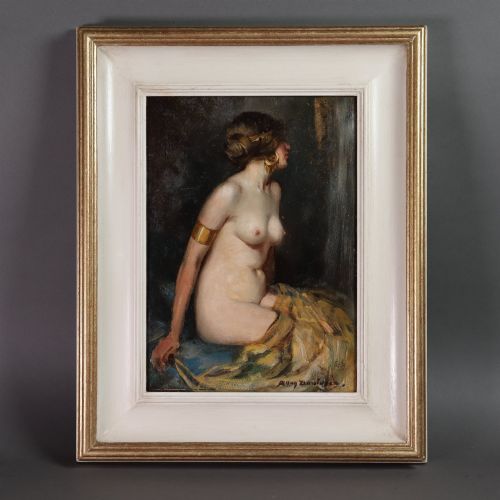


Female Figure Study
These works capture a female figure study through centuries of observational drawing, painting and bronze casting.
Female Figure Study
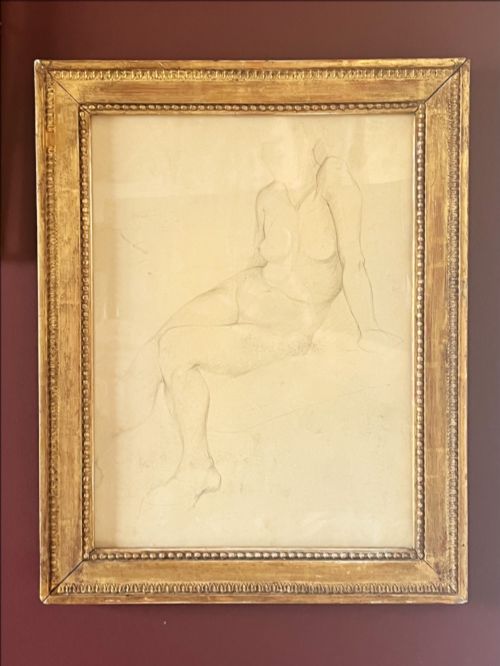
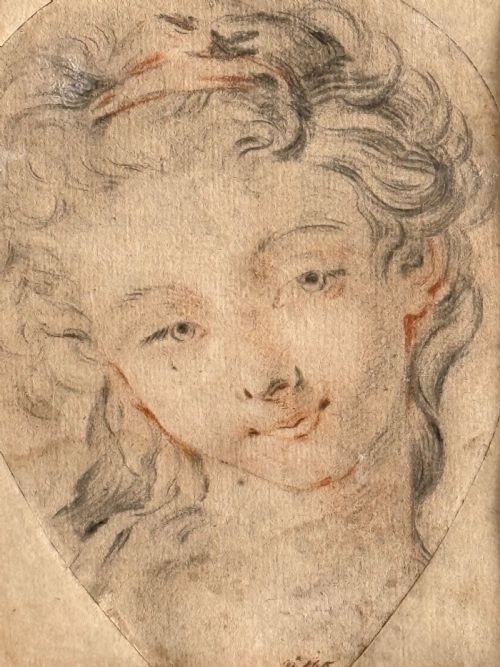
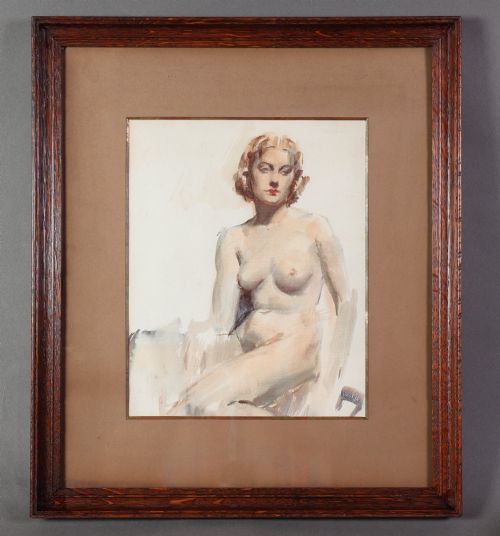
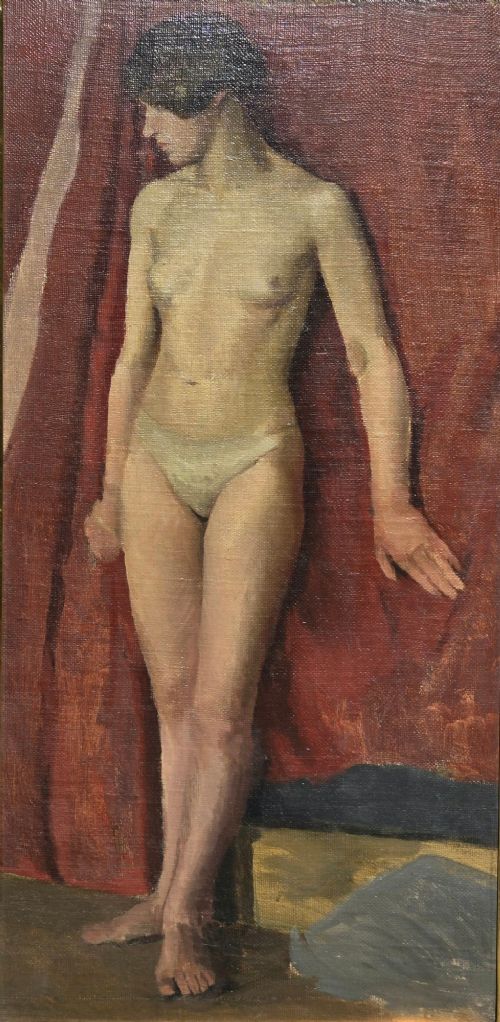
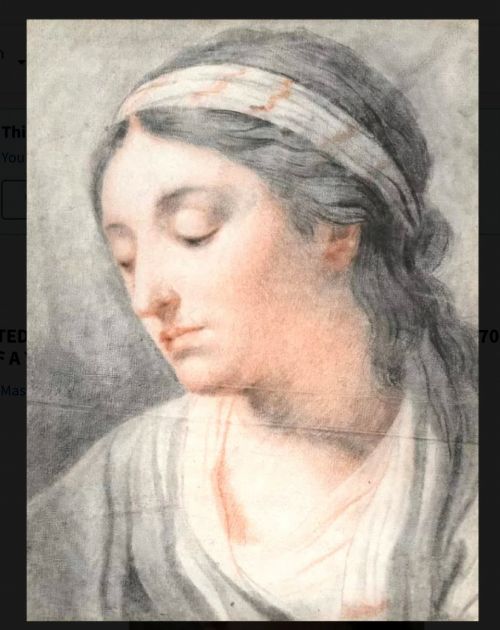
A female figure study represents the human form captured through observational drawing, painting and bronze casting. Pieces range from rapid academic sketches executed in charcoal and pencil to finished oil paintings on canvas and panel.
The selections span the eighteenth century to the mid-twentieth century, encompassing French neoclassical drawings, Art Deco bronzes and mid-century modern canvases. Buyers commonly encounter works on paper alongside framed oils and patinated metal sculptures.
Subjects include reposing models, seated life drawings and neoclassical figures derived from the antique. These objects reflect the enduring tradition of studio practice and academic training across British and continental schools.
Materials and execution
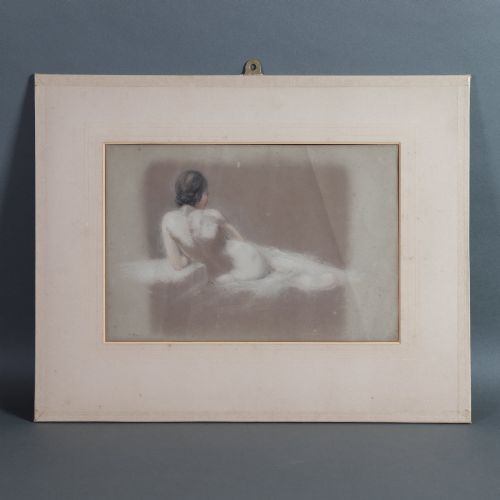
Works on paper utilise charcoal, sanguine chalk, pencil and pastel to build form through line and tone. Artists apply these dry mediums to capture gesture and light swiftly during life sessions.
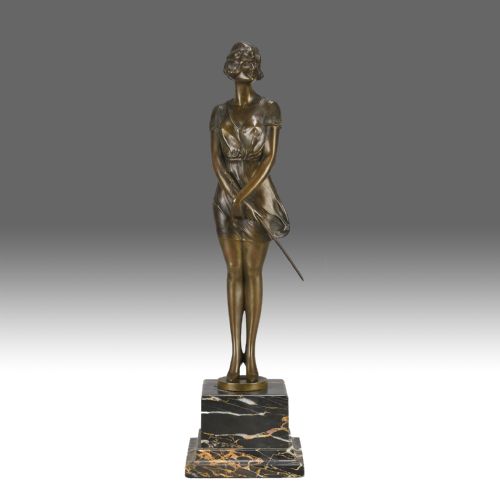
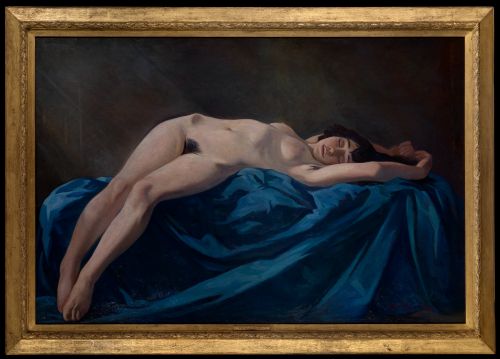
Painted works employ oil paint and mixed media on canvas and board, recording colour and texture in the tradition of academic and impressionist studios. Bronze sculptures utilise the lost-wax casting method, often completed with cold-painted or patinated surfaces.
Several bronze figures hold unexpected accessories, including a riding crop and a whip.
Distinctions in craftsmanship
Anatomy and proportion demonstrate the draughtsman's command of line, distinguishing rigorous academic observation from more generalised rendering. The confidence of the stroke in charcoal or oil reveals the certainty of the artist's eye.
Bronze casts differ in the crispness of their chasing and the depth of their patination, where finer examples preserve the subtle details modelled in the original clay or wax. Framing also contributes significantly, as period gilt frames complement the visual weight of drawings and paintings.
Bruno Zach·William Etty·Francois Boucher·Augustus John·Lucien Gibert·Allan Douglas Davidson·Hector Lemaire·Emmanuel Villanis·Josef Lorenzl·Frank Dobson
The Female Figure Study Glossary
- Sanguine
- A reddish-brown chalk used historically for figure drawing and portraiture. It allows artists to achieve warm flesh tones and soft gradations of shadow.
- Chiaroscuro
- The treatment of light and shade in drawing and painting. This technique creates the illusion of volume on a two-dimensional surface.
- Lost-wax casting
- A metalworking process where a molten metal is poured into a mould that has been created by means of a wax model. It enables intricate detail in bronze sculptures.
- Life drawing
- The act of drawing a human figure from a live model. It forms the foundational exercise of academic art training.
- Patination
- The process of applying chemicals or heat to alter the surface colour of a bronze sculpture. This finish protects the metal and enhances sculptural depth.
Female Figure Study: Frequently Asked Questions
What is a life study?
A life study is an artwork created directly from a live model to practice anatomy, proportion, and tonal values. These pieces range from quick charcoal sketches to detailed oil paintings.
Artists historically used these sessions as foundational exercises or as finished compositions intended for exhibition.
How do I date a bronze study?
Dating relies on stylistic markers such as Art Deco geometric lines or Art Nouveau organic forms, alongside foundry marks and artist signatures. The casting technique and the nature of the patination also provide clues to the period.
Reference materials and comparable works by recorded sculptors help narrow the timeframe of production.
Where should I hang a drawing?
Works on paper require positioning away from direct sunlight to prevent the fading of charcoal, ink, and pastel pigments. Framing with acid-free mounts protects the paper from degradation over time.
Display them at eye level in rooms with controlled humidity to preserve both the artwork and its antique frame.
What distinguishes an oil study from a finished painting?
An oil study is typically executed more rapidly to capture light, pose, or colour relationships without the elaboration of a final exhibition piece. These works often show visible brushstrokes and bare areas of canvas or board.
Collectors value them for their immediacy and insight into the artist's working method.