


French Figurative Art
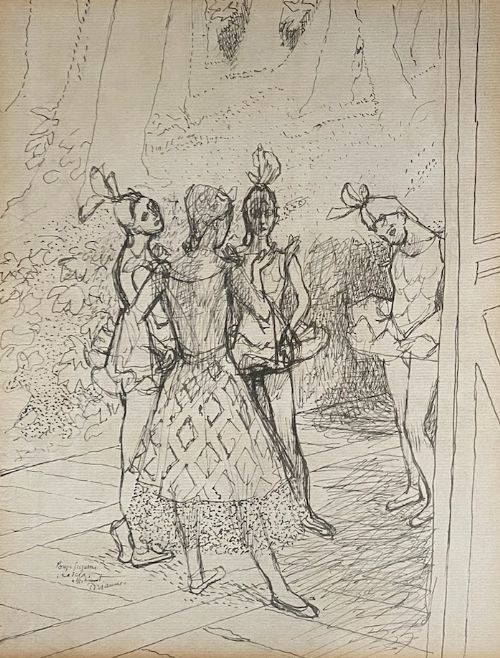
French figurative art encompasses painted canvases, bronze sculptures and works on paper portraying human forms across nineteenth and twentieth century movements.
French Figurative Art
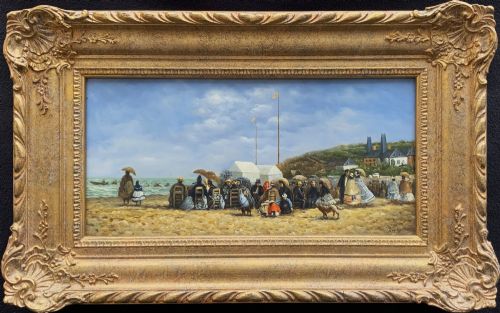
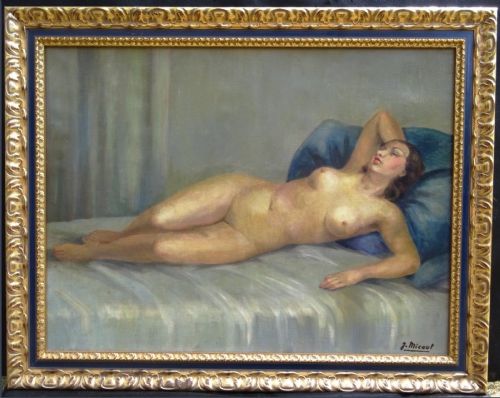
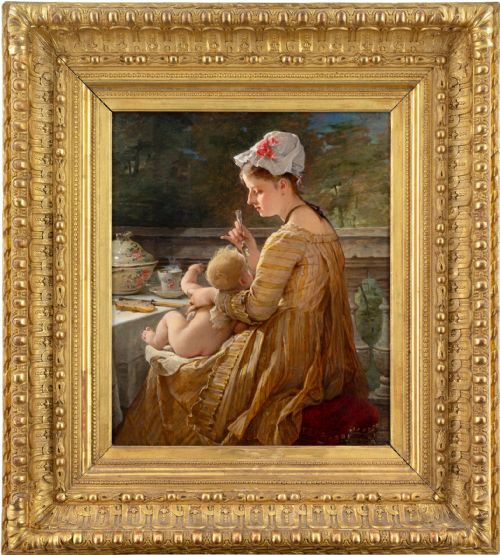
When you search for french figurative art, you encounter oil paintings, drawings and sculptures that focus on human subjects ranging from portraits and nudes to genre scenes and pastoral gatherings. The selections span academic nineteenth-century compositions through post-impressionist, art nouveau and art deco interpretations.
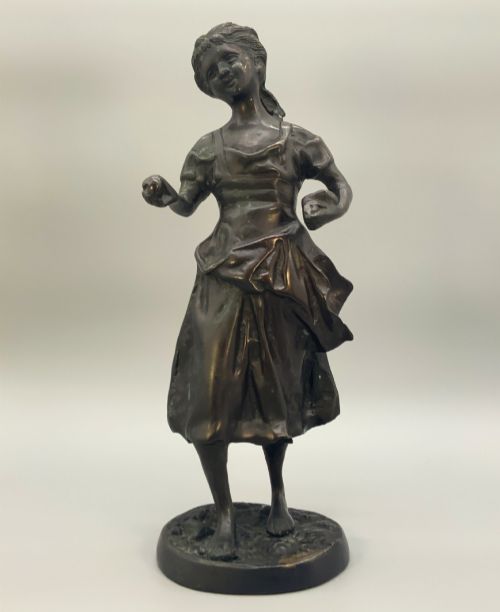
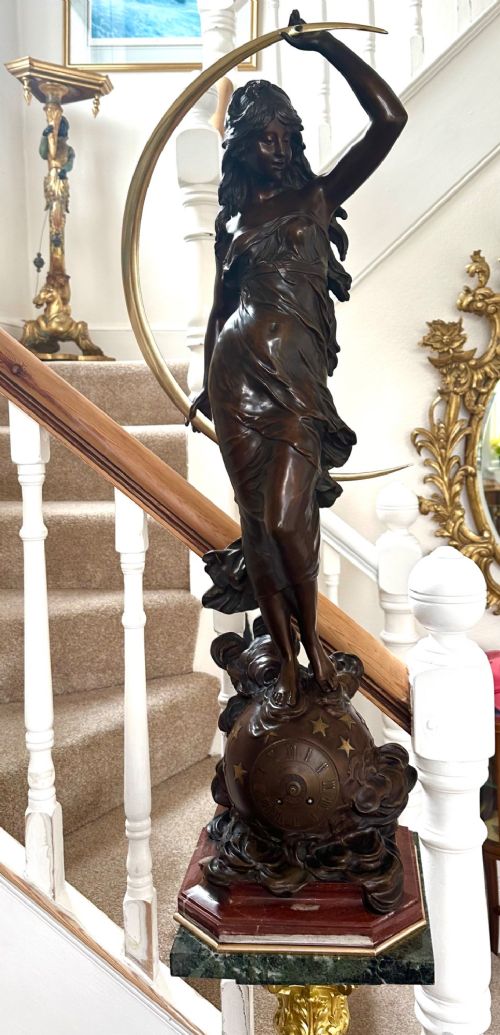
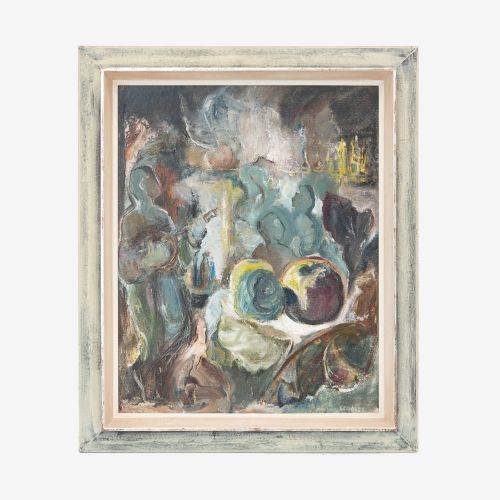
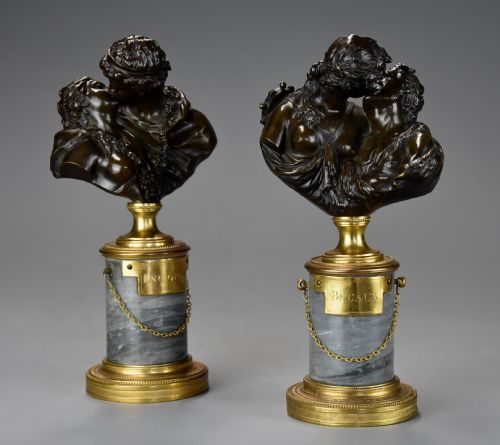
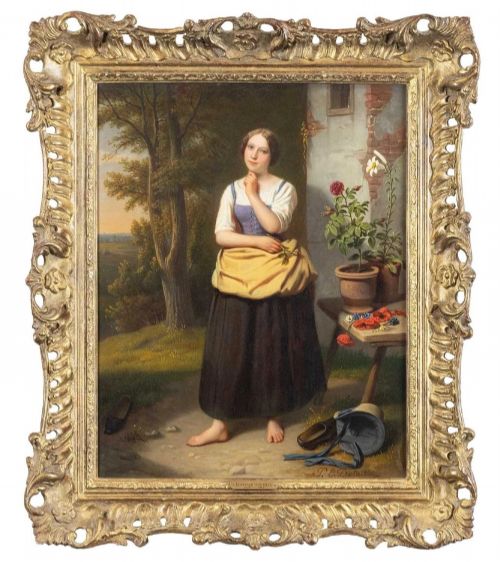
You are most likely to meet bronze figures of maidens or dancers alongside oil paintings on canvas depicting female subjects, romantic interiors or seaside pastimes. These pieces reflect stylistic shifts from romanticism and academic realism towards avant-garde and mid-century modern expressions.
How they were made
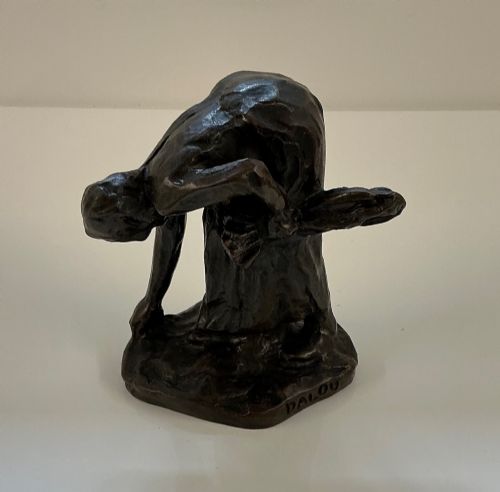
Makers utilised traditional artist materials including oil paint on canvas or panel, ink and charcoal on paper, alongside sculptural mediums such as bronze, marble, terracotta and alabaster. Cast bronzes often involved the lost-wax method, capturing intricate details in costume and anatomy.
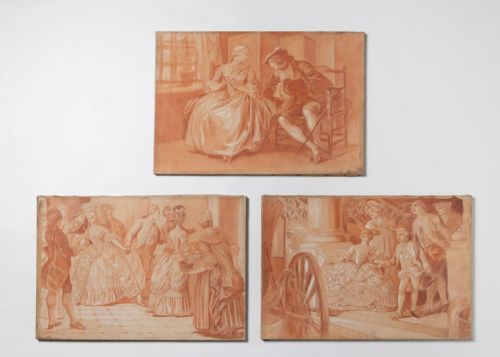
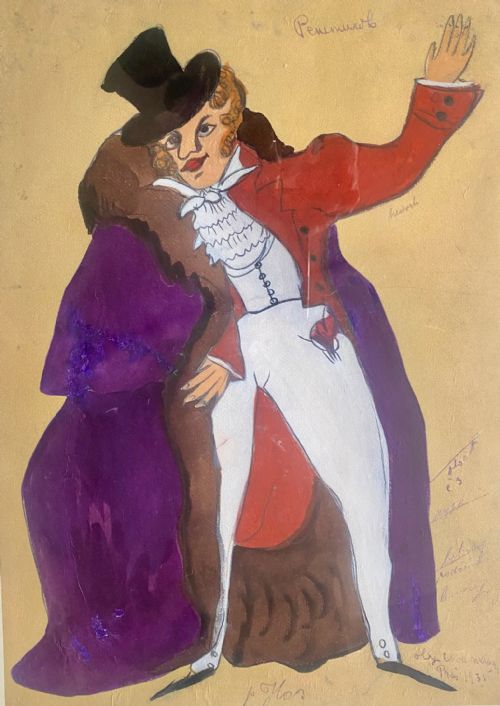
Canvases display textured brushwork characteristic of impressionist and post-impressionist techniques, while works on paper employ crayon, gouache and ink line drawing. Sculptures combine metal casting with patination or integrate brass and alabaster components in decorative table lamps.
Listings feature oil on canvas, bronze, marble and paper works spanning the nineteenth and twentieth centuries.
What varies in quality
The distinction between tiers rests upon the anatomical precision of the carving or casting, the expressiveness of the brushwork and the strength of the composition. Skilled handling of light and shadow in oil paintings elevates certain works above standard decorative portraits.
Foundry execution and patination depth differentiate superior bronze sculptures from routine productions, while works on paper derive distinction from the surety of the draughtsmanship and the prestige of the artist's provenance.
Moreau Family·Jules Dalou·Julien Lorieux·Zoldan Kovats·Charles Zacharie Landelle·Raymond Moritz·Henri Vincent-Anglade·Gabriel Dauchot·Demetrios Galanis·Gilbert Privat·Sylvain Kinsburger·George Van Der Straeten·Fernand Jean Barbier
The French Figurative Art Glossary
- Academic
- Pertaining to the traditional style promoted by official European art academies of the nineteenth century. These works emphasise rigorous draughtsmanship and historical or mythological subjects.
- Patina
- The surface coloration and sheen acquired by bronze or other metals over time or through chemical treatment. It adds depth and character to sculptural surfaces.
- Gouache
- An opaque water-based paint that dries to a matte finish. Artists utilise it on paper for works that require vibrant, solid colour fields.
- Intimist
- A genre of painting focusing on domestic interior scenes filled with personal intimacy. Painters in this tradition capture quiet moments of daily life.
- Fauve
- A style characterised by bold, non-naturalistic colours and aggressive brushstrokes. Practitioners prioritised painterly qualities and emotional expression over realistic representation.
French Figurative Art: Frequently Asked Questions
What periods do these pieces cover?
The works span from the eighteenth century through the nineteenth century and into the mid-twentieth century. Major representation occurs across art nouveau and art deco eras.
Pieces reflect evolving aesthetic movements including academic realism, impressionism, post-impressionism and early modernism.
Where were these artworks created?
The majority originate from French workshops, studios and Parisian foundries active during the nineteenth and twentieth centuries. Artists often worked within established Parisian circles or regional art colonies.
Stylistic elements frequently connect directly to French academic training or avant-garde salons.
How should I display a bronze sculpture?
Place sculptures on stable wooden or marble surfaces away from direct heat sources and excessive moisture. Adequate lighting enhances the depth of the metal patination.
Ensure the display area allows viewing from multiple angles to appreciate the three-dimensional form.