




19th Century Charcoal Drawing
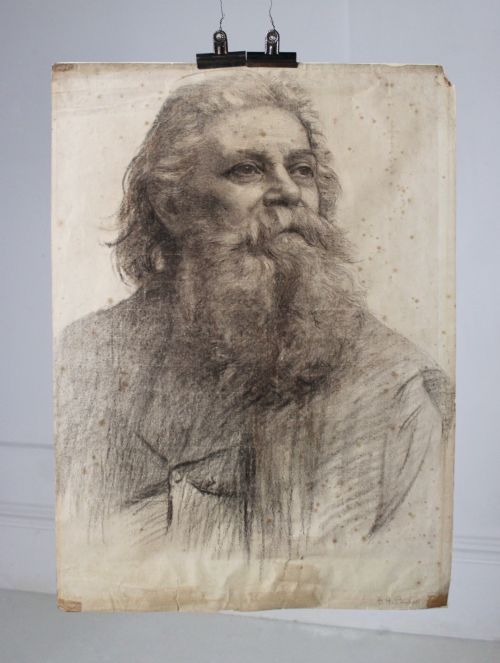
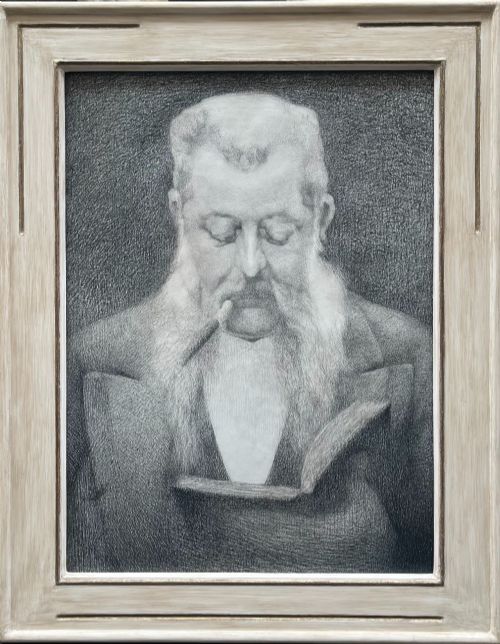
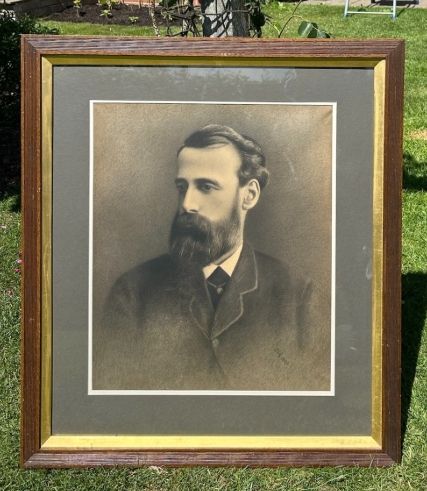
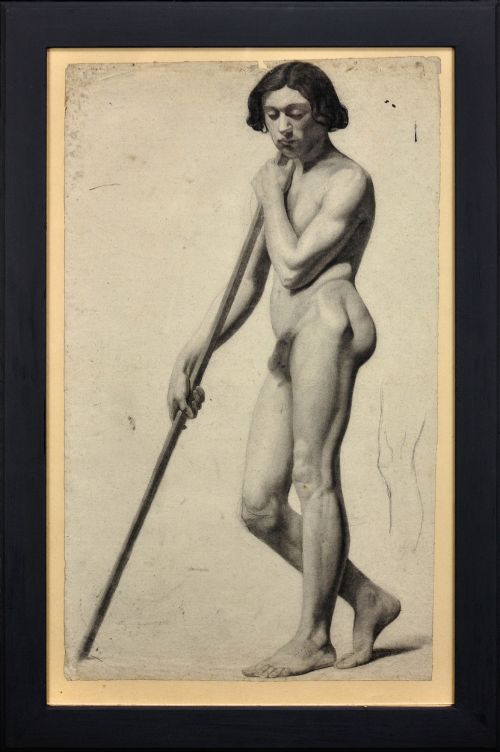
A 19th century charcoal drawing brings the immediate hand of the artist into a room through deep monochrome tones and expressive mark-making.
19th Century Charcoal Drawing
A 19th century charcoal drawing encompasses works executed on paper, toned paper, or canvas, ranging from swift academic life studies to finished exhibition pieces. Collectors encounter portrait drawings, allegorical scenes, landscapes, and figure studies that reflect the prevailing artistic movements of the period.
The selection includes framed artwork and wall art originating from British, French, and Scottish schools. Examples span academic realism, symbolism, and orientalism, capturing both formal studio exercises and atmospheric outdoor observations.
Materials and execution
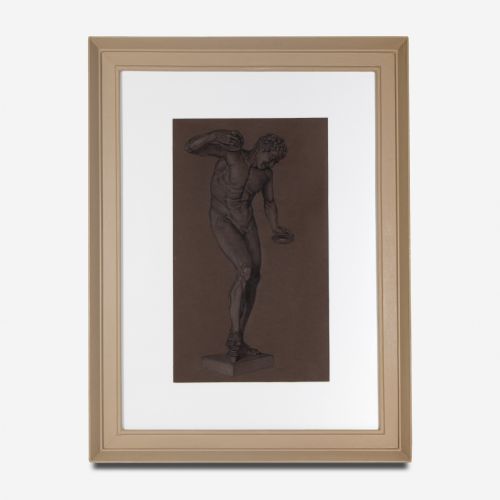
Artists of the period utilised compressed or willow charcoal, frequently combined with chalk, graphite, and heightened white on various papers or prepared canvas. Toned paper provided a mid-tone ground that allowed draftsmen to build shadows with charcoal and pull out bright highlights rapidly.
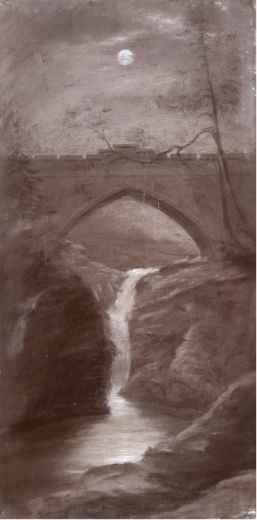
Techniques varied from tight academic hatching in life studies to loose, expressive applications seen in landscape and nocturne works. Fixative was often applied to prevent smudging, protecting the friable carbon particles across decades.
Materials across the selection include paper, charcoal, wood, glass, chalk, graphite, toned paper, and charcoal on canvas.
Distinctions in quality
Quality rests upon the sureness of the draftsman's hand and the structural integrity of the composition, particularly in academic life studies where anatomical precision matters. Stronger pieces display confident tonal graduation and deliberate control over the soft medium rather than timid smudging.
Context and attribution elevate individual sheets, with documented academic provenance or connection to established schools carrying greater weight than anonymous sketches. The preservation of the paper surface and the absence of heavy foxing or damp damage also influence the standing of a drawing.
Henry Arthur Roberts·Pierre-Paul Prud'hon·John Macallan Swan·Theobald Chartran·George Richmond·Henri Joseph Harpignies·Cecil CP Lawson·Thomas Monro
The 19th Century Charcoal Drawing Glossary
- Charcoal
- A dry drawing medium made from organic matter, valued for its deep black marks and capacity for rich tonal blending.
- Toned paper
- Paper manufactured with a pre-existing neutral or coloured tint that serves as a middle value in a drawing.
- Academic life study
- A detailed drawing of a nude or clothed model produced in an art academy to train the artist in proportion and form.
- Heightened
- The technique of adding white chalk or pigment to a dark or toned drawing to accentuate highlights.
- Foxing
- Brown spots caused by chemical reactions in ageing paper, frequently encountered in nineteenth-century works.
19th Century Charcoal Drawing: Frequently Asked Questions
Are these drawings original works?
Yes, the listings comprise unique hand-drawn pieces rather than mechanical reproductions or prints.
Each sheet bears the direct marks, smudges, and corrections made by the artist during creation.
How do I identify academic drawings?
Academic drawings typically feature meticulous figure studies of male or female models posed within a studio setting.
They often derive from structured art school training programmes focused on mastering human anatomy and shadow.
What is toned paper?
Toned paper is a sheet manufactured with grey, brown, or blue pigmentation rather than standard bright white.
Artists used this base to build up dark shadows and bright highlights simultaneously without starting from a blank white page.