


Antique Pencil Portrait
An antique pencil portrait captures individual likenesses through graphite, charcoal, and plumbago across Georgian, Victorian, and Edwardian eras.
Antique Pencil Portrait
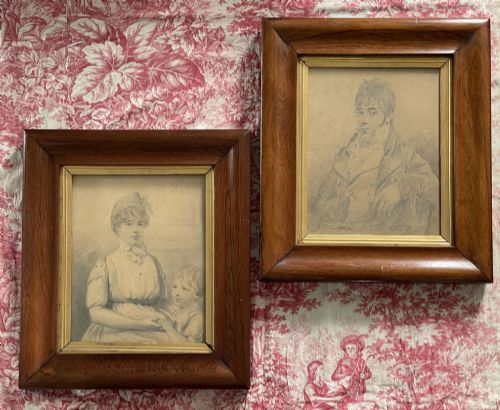
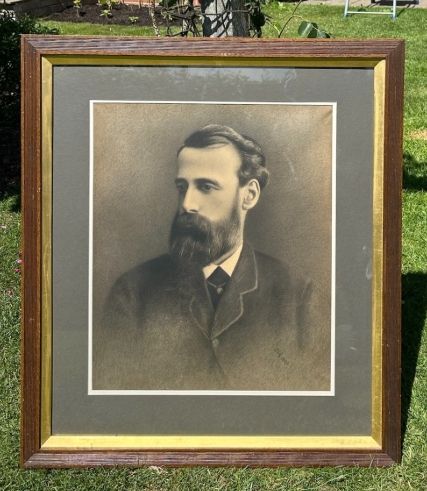
An antique pencil portrait represents original works on paper, capturing sitters from the eighteenth century through to the art deco period. Buyers encounter framed drawings, sketch studies, and finished graphite likenesses produced by named artists and anonymous hands alike.
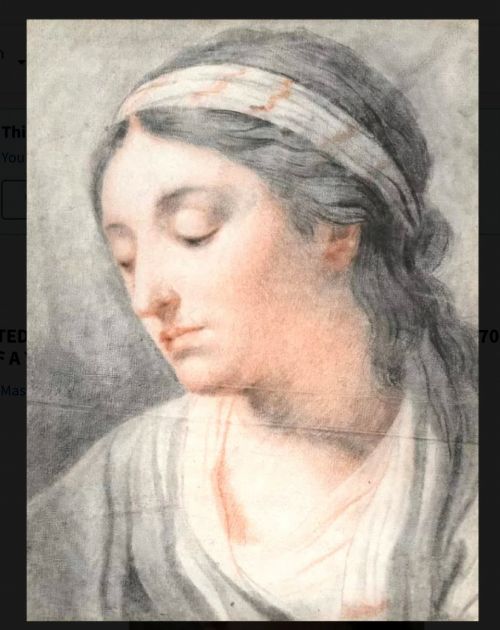
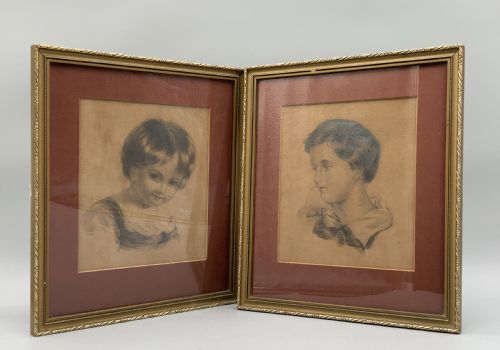
The selections span intimate domestic sketches of children and family friends alongside formal depictions of notable figures, explorers, and nobility. Works frequently incorporate subtle washes of watercolour, gouache, or chalk to enhance the monochrome medium.
Materials and technique
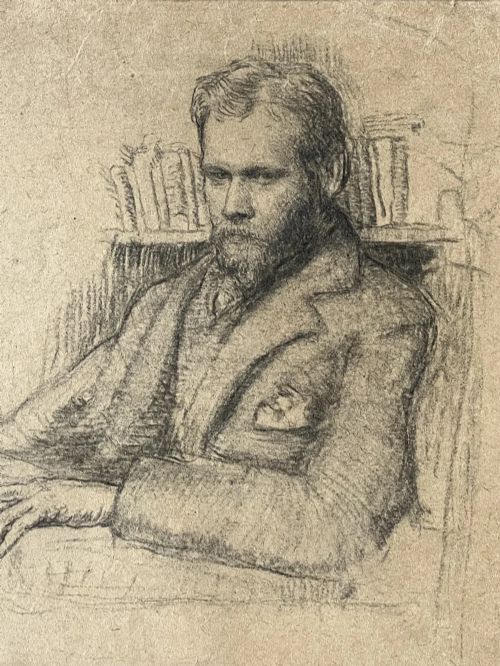
Artists utilised graphite, charcoal, plumbago, and chalk applied directly to paper or buff stock, often watermarked by manufacturers such as J Whatman. Supports varied from plain sheets to canvas and prepared mounting boards.
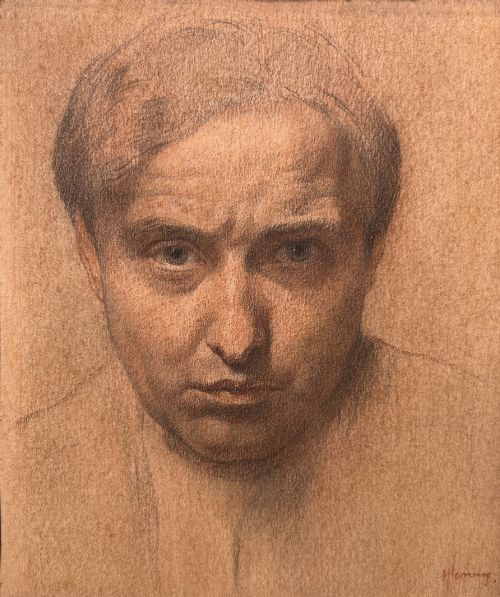
Draftsmen layered delicate lines with tonal shading, occasionally combining pencil with watercolour washes, pastel, or gouache to introduce colour highlights into the monochrome composition.
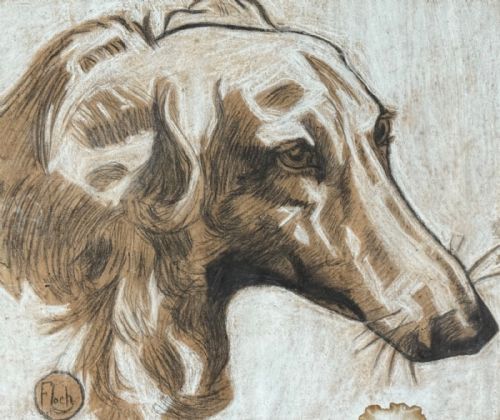
Several portraits capture beloved family pets alongside their human owners, proving that nineteenth-century sitters were just as devoted to their dogs as we are today.
Factors of quality
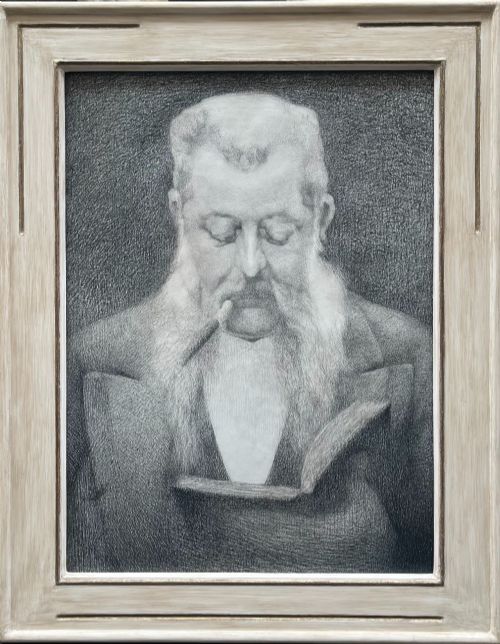
Condition of the paper surface, presence of original framing, and documented provenance through gallery labels or artist signatures further distinguish finer works from standard studio exercises.
Augustus John·Ozias Humphry·George Perfect Harding·Theobald Chartran·Sir George Hayter
The Antique Pencil Portrait Glossary
- Plumbago
- An early form of graphite drawing executed with fine precision, popular during the eighteenth century for miniature and cabinet portraits.
- Buff paper
- A warm, yellowish-tan tinted paper stock frequently utilised by artists during the nineteenth and early twentieth centuries to provide mid-tone depth.
- Watermark
- A recognizable design moulded into paper during manufacture, useful for verifying the period and origin of the sheet.
- Study
- A preparatory drawing or quick sketch executed to capture posture, lighting, or facial expression before producing a finished work.
- Wash
- A diluted layer of watercolour or ink applied broadly across paper to create atmospheric background tones or subtle colour gradients.
Antique Pencil Portrait: Frequently Asked Questions
How do I care for antique pencil drawings?
Keep works on paper away from direct sunlight to prevent fading of graphite and discolouration of the paper support.
Maintain stable indoor humidity and ensure framing utilises acid-free conservation mounts to protect the delicate medium.
What is plumbago?
Plumbago refers to early graphite drawings characterised by meticulous detail and fine line work.
These pieces were especially fashionable during the Georgian era for intimate portraiture.
Are these works original?
The inventory consists of authentic period drawings, sketches, and works on paper rather than modern reproductions.
Many bear artist signatures, studio stamps, or historical provenance labels on the reverse.
How are periods identified?
Dating relies upon costume details, artist lifespans, paper watermarks, and contemporary framing styles.
Inscribed dates and gallery provenance labels frequently provide definitive chronological markers.