



Historical Portrait Study
A historical portrait study brings the presence of earlier centuries into a room through oil, chalk, paper, and bronze.
Historical Portrait Study
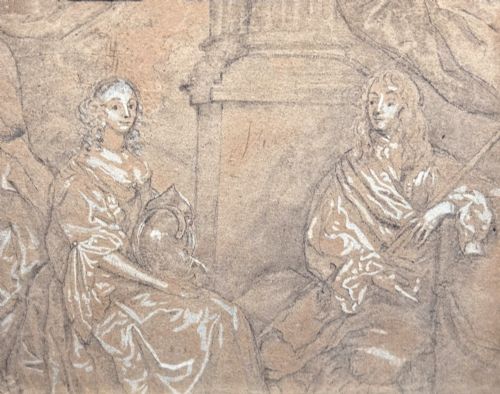
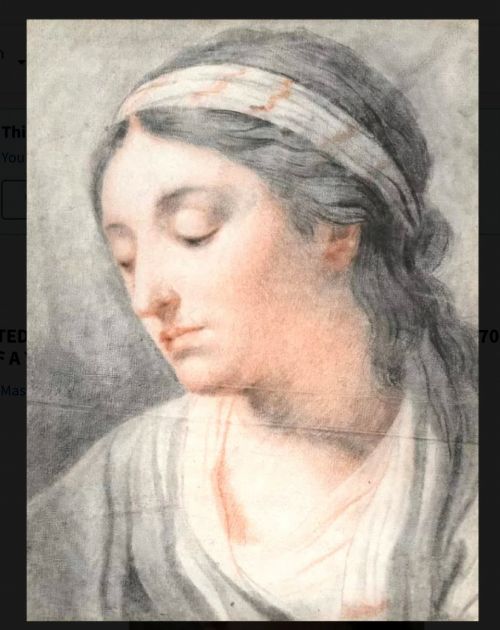
A historical portrait study captures likenesses and figures across several periods, stretching from the seventeenth century through to the nineteenth century and into the nineteen thirties. These works range from oil paintings on canvas and copper to portrait drawings, pastels, gouache, and bronze sculpture.
The selections available here frequently channel earlier aesthetics, including Stuart period depictions, seventeenth century Flemish Baroque, eighteenth century French Neoclassical approaches, and nineteenth century realism. Buyers encounter everything from framed prints of racehorses to detailed depictions of monarchs, writers, and historical figures.
Originating from diverse European traditions, these studies reflect the shifting artistic methods of portraiture across centuries. Whether executed in oil, chalk, ink, or glass-fronted frames, each piece records an individual likeness through the lens of its specific period style.
How they were made
Makers utilised traditional oil paints on canvas and copper panels, alongside chalk, pastel, and gouache on paper. These materials were often enclosed within gilt wood frames or protected behind glass.
Sculptural studies were cast in bronze to capture fine dimensional detail. Photographic prints on paper also appear, demonstrating the evolution of reproductive techniques by the nineteen thirties.
Historical Portrait Study Retail Price Guide 2026
Typical asking prices for historical portrait study among the pieces listed under this phrase on Sellingantiques today, from the lower quarter to the upper quarter. They describe what is for sale here now, not the wider market.
Materials recorded across the inventory include paper, chalk, glass, canvas, gilt wood, oil, ink, and pastel.
What varies in quality
The refinement of the draughtsmanship and the handling of the medium dictate the standing of a study. Works attributed to known hands or following established masters demonstrate superior anatomical precision and tonal depth compared to simpler decorative items.
The preservation of the original surface, whether oil on copper, pastel on paper, or patinated bronze, influences how clearly the intended expression and period character survive.
Peter Lely·François-André Vincent·Jean Jules Salmson·Peter Paul Rubens·Frederick Christian Lund·Theobald Chartran·John Scougall
The Historical Portrait Study Glossary
- Baroque
- An artistic style originating in the seventeenth century characterised by dramatic movement and rich detail. It appears in Flemish and British works of the period.
- Pastel
- A dry medium of powdered pigment used for drawing, often seen in eighteenth and nineteenth century portraiture. It offers soft gradations of tone.
- Gouache
- An opaque water-based paint that provides solid, flat areas of colour and sharp detail. It is frequently combined with pastel in nineteenth century works.
- Gilt wood
- Carved timber treated with gold leaf to form decorative frames. These frames surround many of the oil paintings and drawings listed here.
- Copper
- A metal panel used as a rigid support for oil paintings, allowing for fine brushwork and durable preservation.
Historical Portrait Study: Frequently Asked Questions
How do I date an oil portrait study?
Dating relies on the materials used, such as copper panels or specific canvas types, alongside stylistic markers of clothing and hair.
Inscriptions, signatures, or framing styles also provide clear clues to the period of creation.
What is the difference between a study and a finished portrait?
A study often focuses on capturing a specific head, expression, or composition before executing a larger formal commission.
These works show a directness of hand and a preparatory energy distinct from heavily polished final paintings.
How should I hang a framed portrait study?
Keep works on paper, pastel, and gouache away from direct sunlight to prevent fading of delicate pigments.
Ensure that gilt wood frames are hung securely on solid walls using appropriate fixings for their weight.
Are these works original period pieces?
The inventory spans authentic seventeenth, eighteenth, and nineteenth century items, alongside later traditional pieces.
Listings indicate the specific period and attribution associated with each work.