


Antique Charcoal Sketch
An antique charcoal sketch brings the direct touch of the hand and the immediacy of line straight into a room through works preserved on paper.
Antique Charcoal Sketch
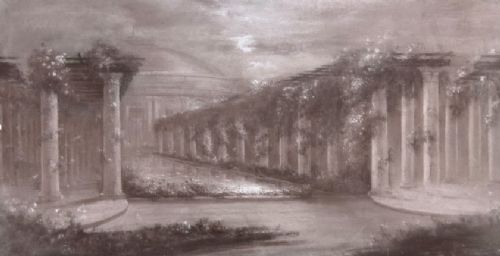
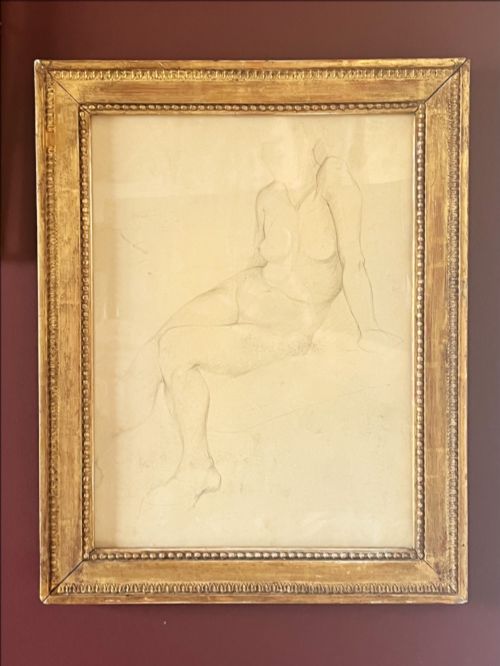
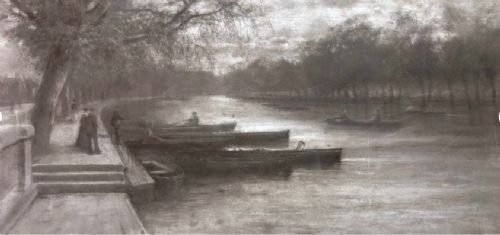
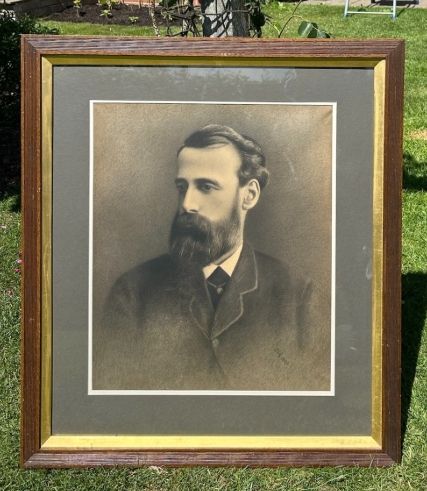
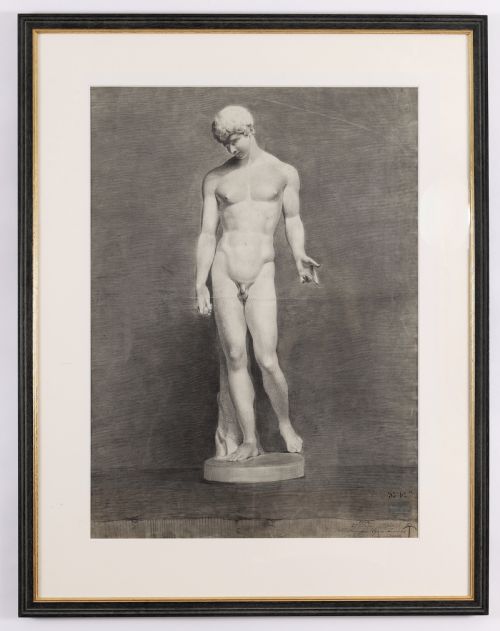
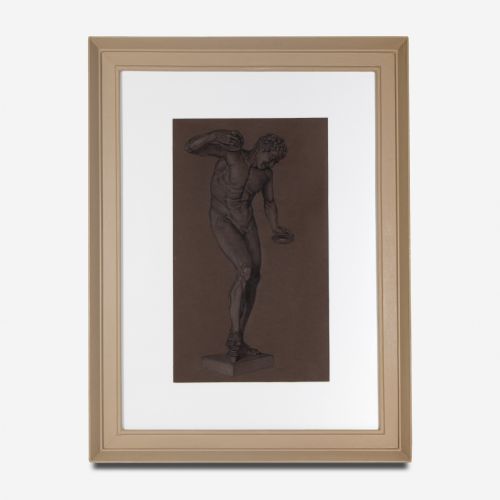
An antique charcoal sketch encompasses original works on paper spanning academic life studies, expressive portraits, and atmospheric landscapes from the nineteenth century into the early twentieth century. The selection ranges from detailed figure drawings after classical sculptures to rapid compositional drafts captured outdoors by rivers or in city streets.
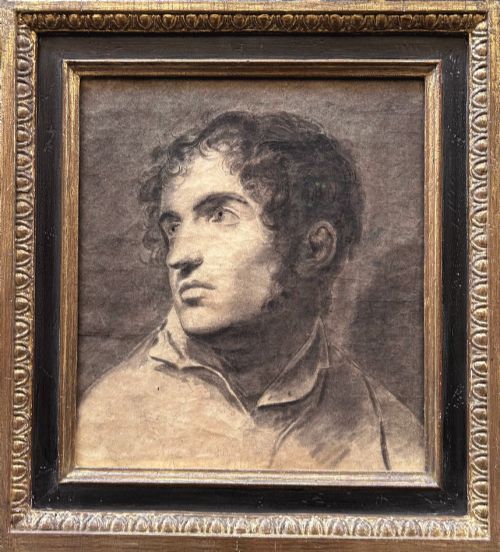
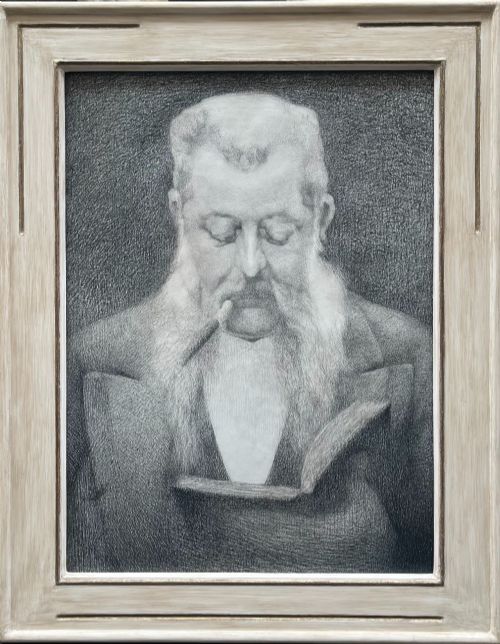
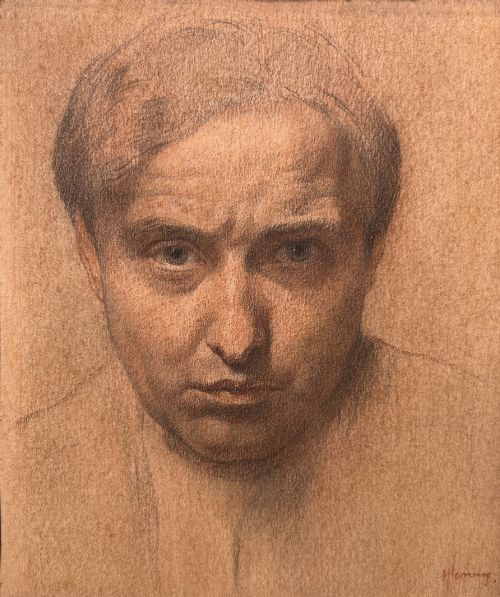
Buyers encounter framed drawings representing various European schools alongside British and French academic exercises. Portraiture dominates the selection, showing sitters from Victorian gentlemen to symbolist figures, often recorded with complementary media such as chalk, graphite, and wash.
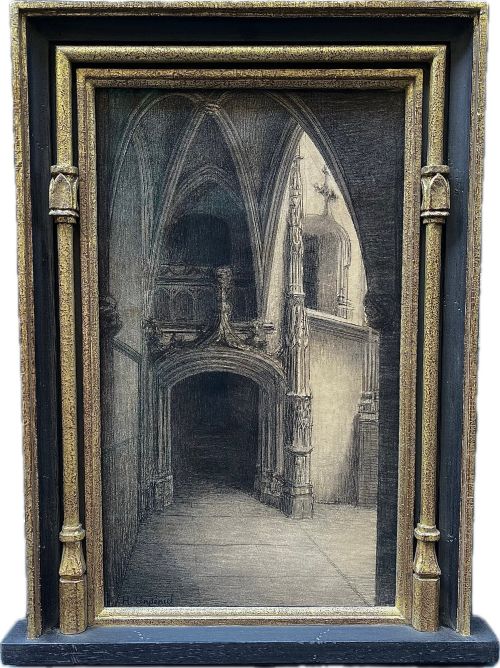
The material surface frequently displays the texture of toned paper or heavy-weight sheets housed within period wooden and giltwood frames. Many pieces carry inscriptions, studio stamps, or signatures pointing to formal training within nineteenth-century art academies and regional ateliers.
How they were made
Draftsmen built these images using compressed or vine charcoal combined with graphite and white chalk highlights on paper or toned card. Artists often applied wet mediums or washes alongside dry strokes to establish depth, fixing the powdery carbon with early protective coatings before framing.
Works on paper were commonly executed in studio settings during life-drawing sessions or created on location as preparatory studies for larger paintings. Glazing with protective glass shields the delicate charcoal dust from atmospheric disturbance while framing in moulded wood or giltwood secures the sheet.
Framed artwork styles span academic realism, neoclassical portraiture, avant-garde cubism, and Victorian landscape traditions.
What varies in quality
The distinction between standard academic exercises and masterworks rests upon the sureness of the draftsmanship and the economy of line. Superior examples demonstrate an authoritative understanding of human anatomy, light, and shadow without relying on heavy smudging to define form.
Condition and provenance elevate individual pieces, particularly where archival records identify the artist or link the drawing to a notable exhibition. The integrity of the original paper stock, minimal acidification, and the retention of a period frame contribute to the overall standard of preservation.
Henri Charles Angéniol·Demetrios Galanis·Winifred Eugene Ballard·John Hoppner·John Macallan Swan
The Antique Charcoal Sketch Glossary
- Academic Realism
- A style of painting and drawing produced under the influence of European academies of art, emphasising precise anatomical accuracy and classical proportions.
- Barbizon School
- A nineteenth-century French movement focused on plein air landscape painting, recording nature with direct observation and earthy tones.
- Toned Paper
- Paper manufactured with a pre-existing tint or colour, allowing artists to deploy white chalk for highlights and dark charcoal for shadows efficiently.
- Deux crayon
- A drawing technique utilising two distinct pencils or chalks, typically black and red or black and white, on tinted paper.
- Giltwood
- Wood carved and covered with a thin layer of gold leaf or gold paint, commonly used for antique picture frames.
Antique Charcoal Sketch: Frequently Asked Questions
How are charcoal drawings preserved?
These works require framing behind glass to prevent the friable carbon medium from rubbing against the mount or surface.
Keeping drawings away from direct sunlight prevents the paper support from yellowing and protects any added chalk or pastel highlights from fading.
What is an academic life study?
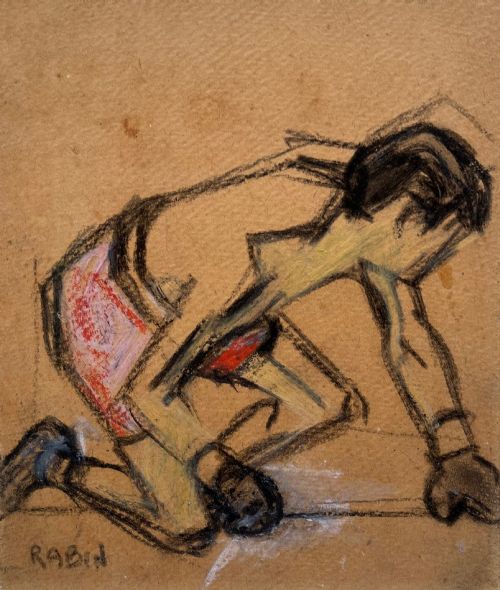
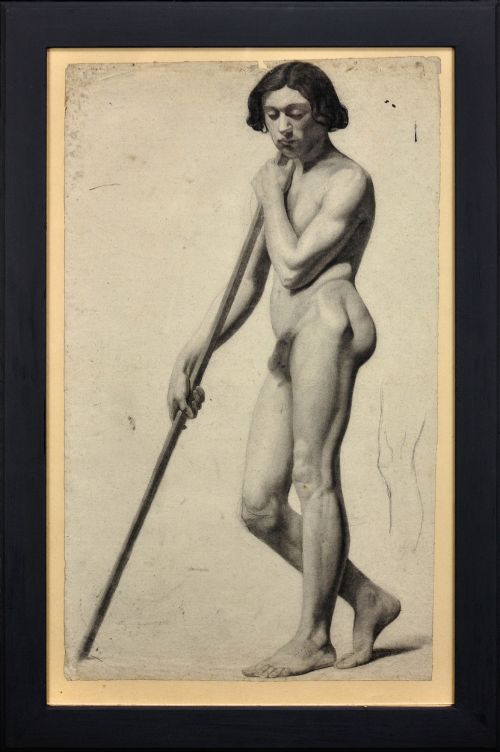
An academic life study is a detailed drawing of a human model produced as a core part of nineteenth-century art training.
Students honed their technical skill by rendering muscle structure, posture, and shadow under controlled studio lighting conditions.
How do I date an old drawing?
Dating relies on visible clues including the watermark on the paper, the style of the clothing, and any inscribed dates or signatures.
Framing materials and backing boards also provide physical evidence that helps narrow down the period of execution.
Are these drawings preparatory sketches?
Some sheets served as quick preparatory studies for larger oil paintings, capturing composition or lighting before starting canvas work.
Other pieces were created as finished works of art in their own right, intended for exhibition or portfolio collection.