


Late Victorian Portrait Art
Late victorian portrait art captures the character and likeness of sitters through traditional media created near the turn of the nineteenth century.
Late Victorian Portrait Art
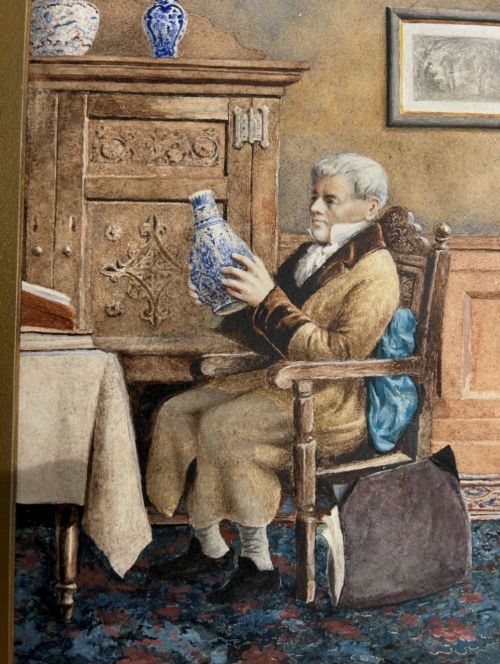
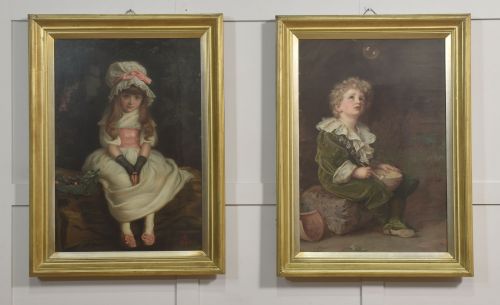
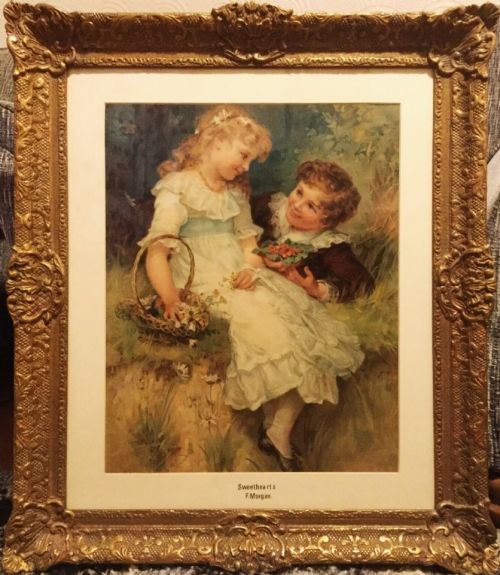
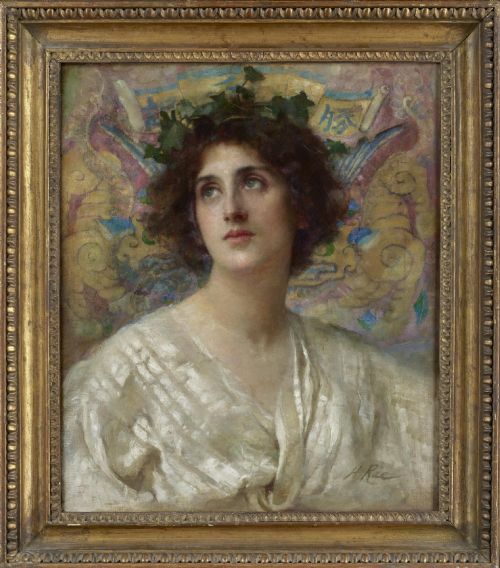
Late victorian portrait art encompasses works produced during the closing decades of the nineteenth century and into the early twentieth century. Buyers seeking this phrase encounter framed oils, watercolours, pastels, and mixed media works depicting individuals, family groups, and children.
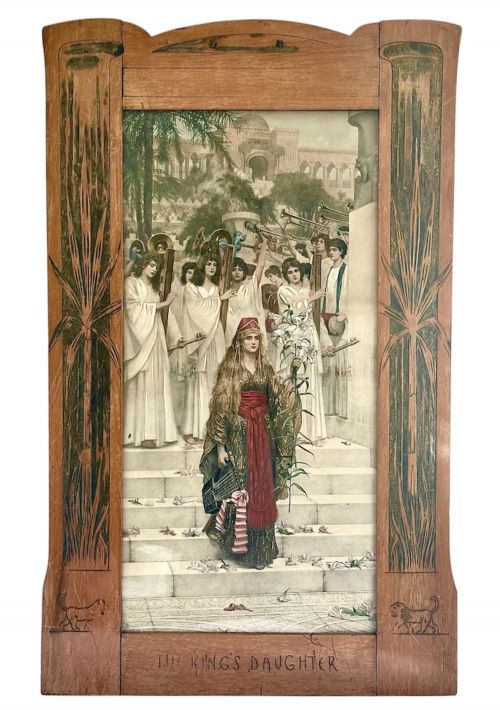
The objects span formal academic paintings, naive folk art, advertising prints, and miniature painted plaques. Most pieces originate from British and European hands, capturing domestic scenes, regional sitters, and character studies from the period.
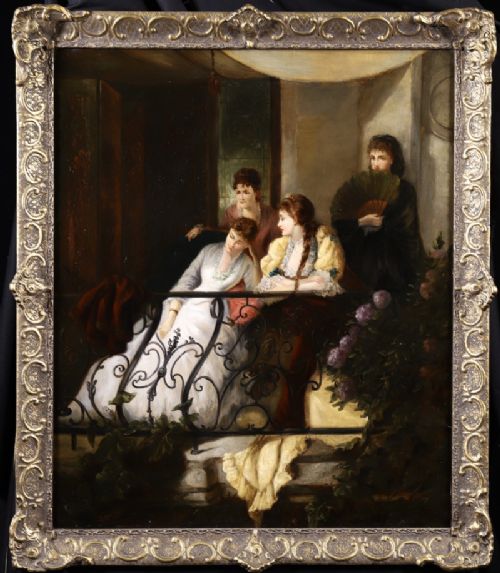
Domestic subjects, genre portraits, and individual likenesses dominate the selection. These pieces reflect the era's widespread appetite for personal representation across canvas, panel, and paper supports.
How they were made
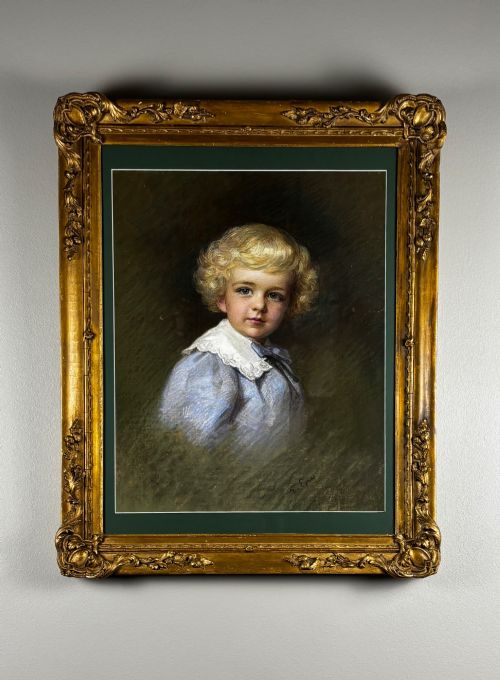
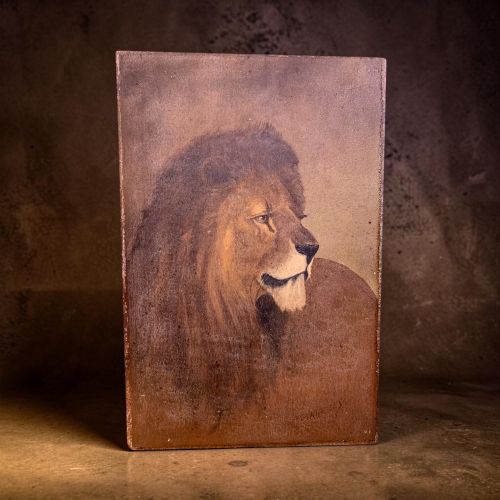
Artists of the period applied oil paint to stretched canvas, wood panels, or ceramic tiles, while others worked in watercolour, gouache, and pastel upon paper. These traditional media were frequently housed within giltwood frames or carved wooden surrounds.
Printmaking techniques such as photogravure and lithography also reproduced popular compositions for wider distribution. Specialised methods like chrystoleum applied hand-colouring to mounted prints placed beneath curved glass.
Listings feature oil paintings, watercolours, pastels, and bronze studies created across the nineteenth and early twentieth centuries.
What varies in quality
The integrity of the original support, the preservation of the pigment, and the quality of the associated framing material influence the overall standing of an individual piece.
Henry Stacy Marks·Henrietta Rae·Herbert Gustave Schmaltz·Emily Eyres·Philip Richard Morris·Sir Thomas Brock·C E Howson·Sherwin and Cotton·William Joseph Carroll·Robert Kemp·Mary Eley·Eva Hollyer·Montagu Barstow·Harold Arthur Burke·Ralph Hedley·Theobald Chartran·Robert Gemmell Hutchison
The Late Victorian Portrait Art Glossary
- Giltwood
- Wood carved and covered with a thin layer of gold leaf or gilt. This finish is commonly found on traditional frames enclosing nineteenth century works.
- Photogravure
- A printmaking technique producing a photographic image on a copper plate. It allows for rich tonal gradations across the printed surface.
- Grisaille
- Painting executed entirely in monochrome shades of grey. This technique often serves as a preparatory study or a decorative finish in its own right.
- Chrystoleum
- A process where a photographic print is mounted to convex glass, made transparent with oils, and hand-painted from behind. It creates a luminous, three-dimensional effect.
- Gouache
- An opaque water-based paint mixed with a binding agent. It provides solid, matte areas of colour within works on paper.
Late Victorian Portrait Art: Frequently Asked Questions
What subjects appear in late victorian portrait art?
These works depict individual sitters, family groups, children, and literary figures. Artists also recorded domestic genre scenes and regional types.
Subjects range from formal commissioned likenesses to intimate watercolours of children and animals. Portraiture from this era captures both everyday domestic life and notable public figures.
How should these framed works be displayed?
Display these pieces away from direct sunlight and excessive moisture to protect paper supports, watercolours, and oil paint. Stable indoor temperatures prevent warping in wooden panels and giltwood frames.
Wall placement should account for the weight of heavier oil paintings and bronze plaques. Secure fixings ensure the safety of both the artwork and its period frame.
What is the difference between an oil painting and a watercolour portrait?
Oil paintings utilise pigments bound in drying oil applied to canvas, wood, or panel surfaces. They offer rich textures and deep colour saturation that endure over time.
Watercolours employ water-soluble pigments on paper supports, presenting a lighter and more transparent finish. These works typically require protective glass glazing to prevent surface damage.
How can I identify the period of a portrait?
Clues to the date appear in the sitter's clothing, hairstyle, and the framing style. Signatures, dates inscribed on the reverse, and exhibition labels provide further documentation.
Materials such as ceramic tiles, painted porcelain plaques, and specific print techniques also point towards the late nineteenth and early twentieth centuries.