

Historic Fine Art Painting
When you explore historic fine art painting, you encounter centuries of portraiture and landscape rendered in oils and watercolours on canvas and wood.
Historic Fine Art Painting
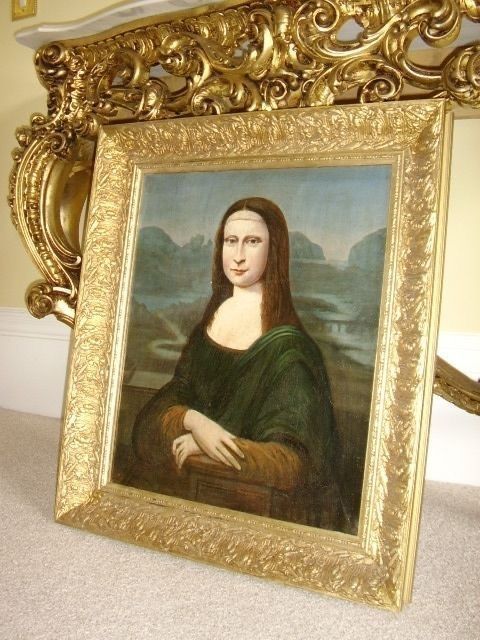
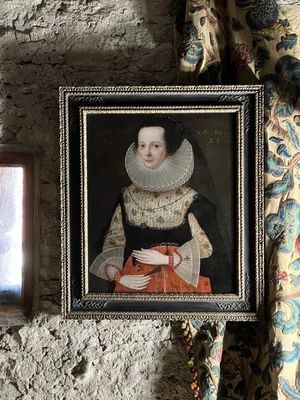
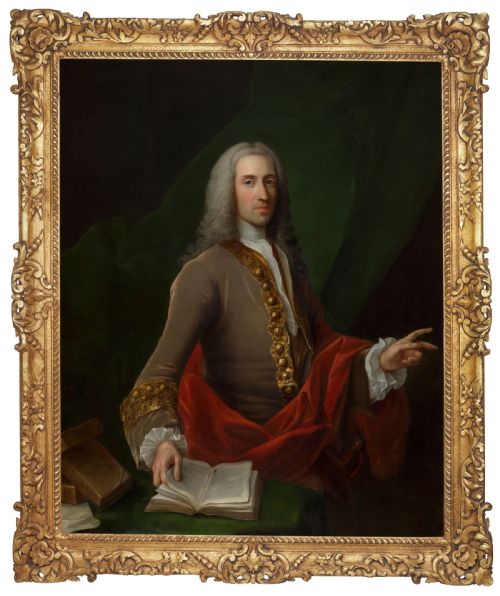
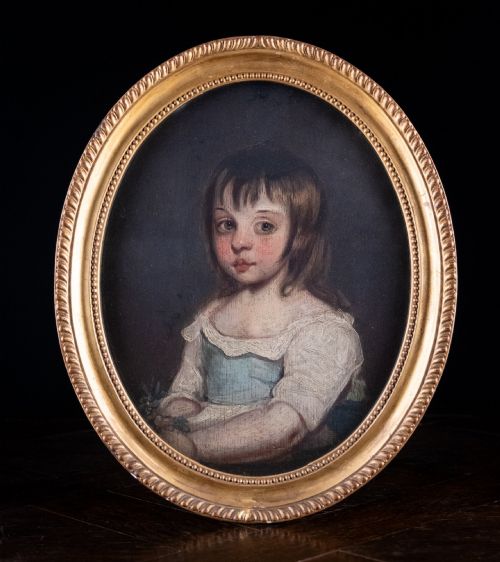
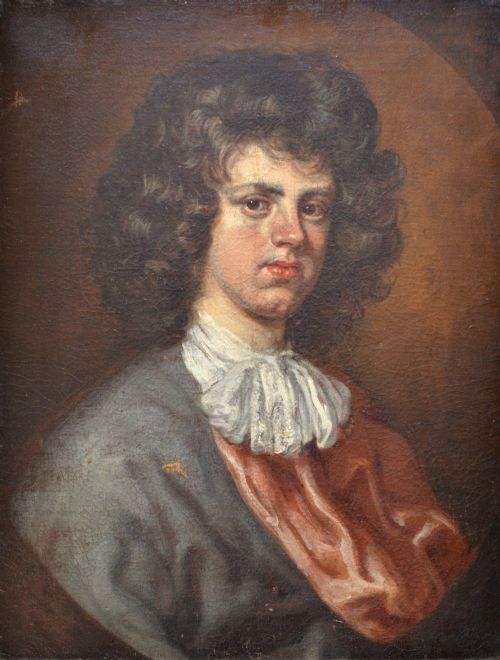
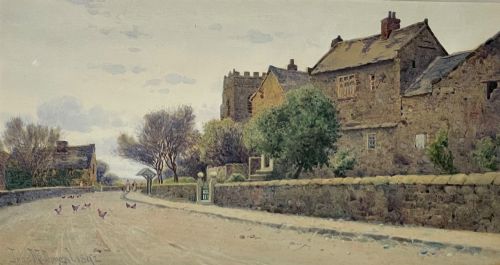
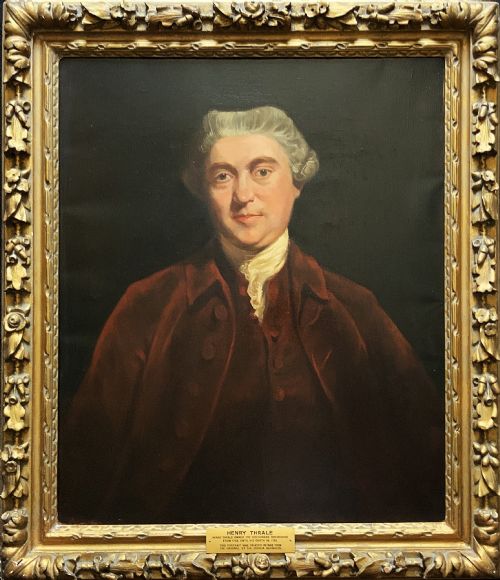
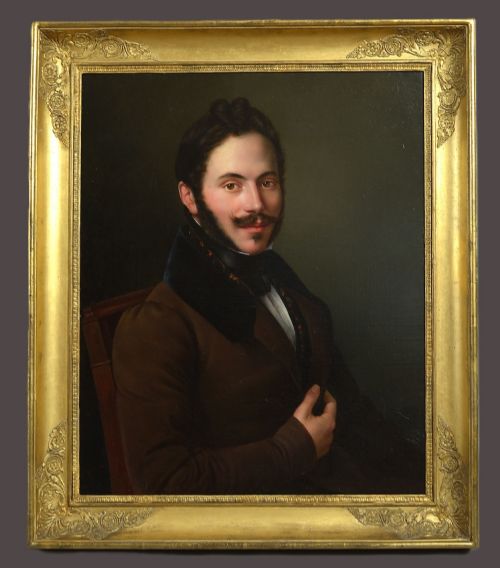
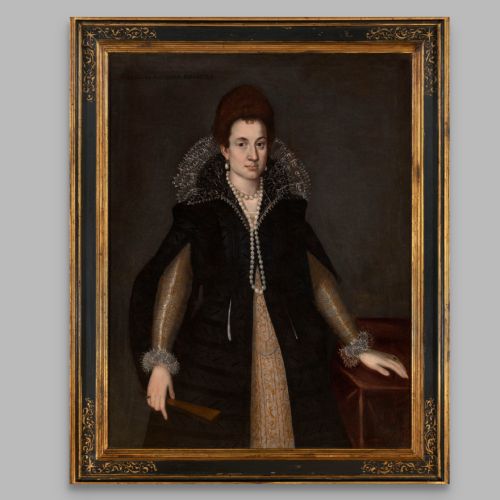
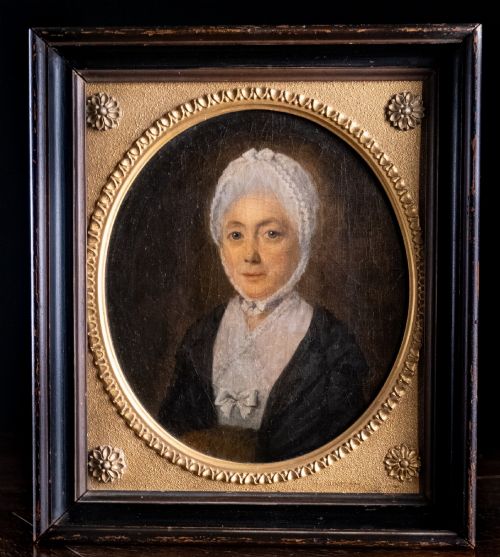
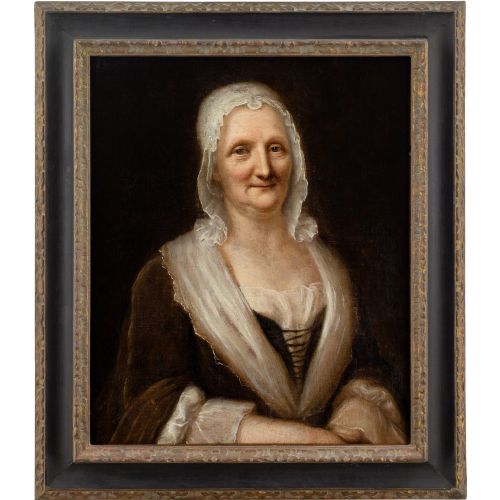
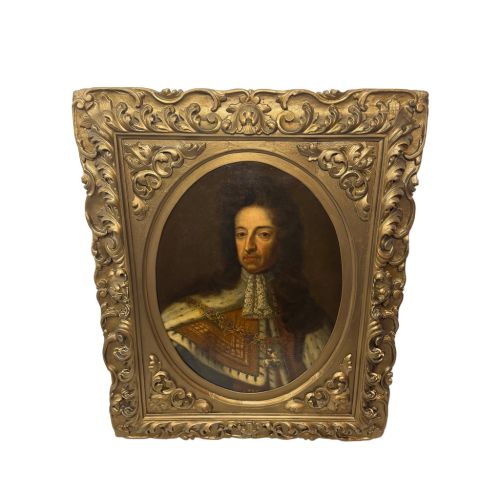
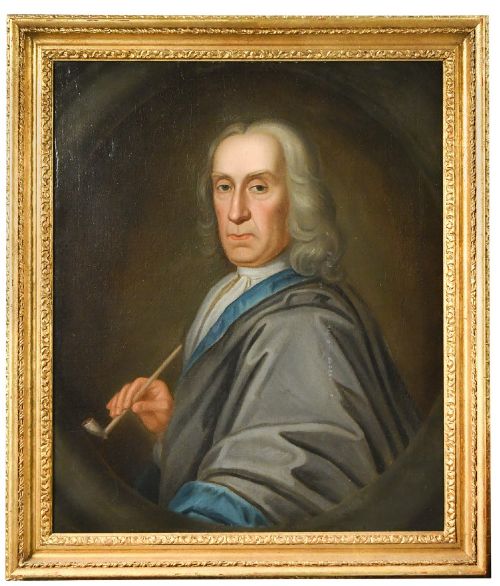
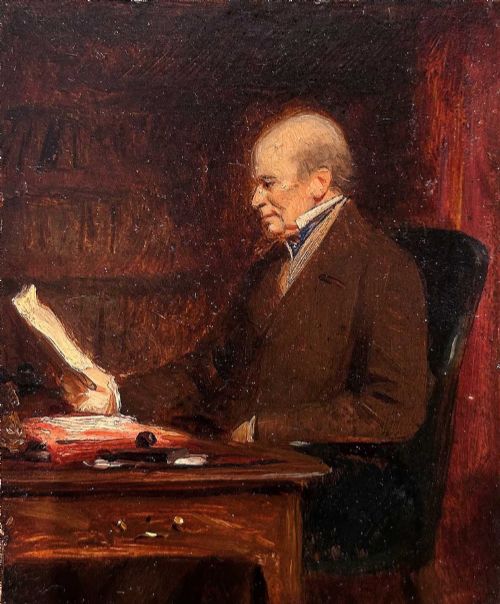
A historic fine art painting encompasses oil paintings and watercolours created across the seventeenth, eighteenth, and nineteenth centuries. These works frequently depict notable figures, noblewomen, gentlemen, and country scenes executed by regional European schools and named artists.
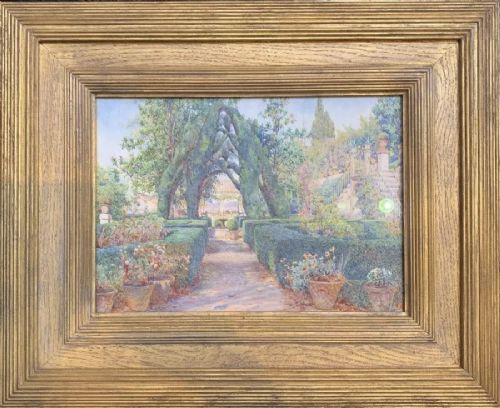
The selections available range from formal British and Flemish portraiture to detailed landscape studies and miniature watercolours. Portrait paintings dominate the offerings, spanning Victorian interpretations and earlier Georgian compositions.
Works attributed to specific circles or created after older masters sit alongside signed canvases from the Victorian era and the Edwardian period.
How they were made
Makers built these works using oil paint applied to stretched canvas or wooden panels, utilising gold leaf and giltwood for framing. Watercolours on paper appear in specific landscape and garden studies from the nineteenth and twentieth centuries.
Artists prepared grounds carefully before applying pigments with fine brushes to capture intricate lace collars, elaborate costume details, and nuanced facial expressions. Panel paintings utilised seasoned timber supports sealed with traditional grounds.
Listings feature works spanning the seventeenth, eighteenth, and nineteenth centuries, executed primarily in oil on canvas and watercolour on paper.
What varies in quality
The integrity of the canvas support, the presence of original stretching, and the subtlety of the colour palette contribute significantly to the standing of an individual piece.
Sir William Beechey·Jeremiah Davison·Mary Beale·John McDougal·Sir Joshua Reynolds·Edouard Pingret·Pietro Fachetti·Joseph Vivienne·Joseph Highmore·William Millar·George Chinnery·Paul Leon Jazet·Nathaniel Hone
The Historic Fine Art Painting Glossary
- Oil on Canvas
- A traditional painting medium where pigment is suspended in drying oils and applied to a woven fabric support. This combination allows for rich blending and enduring surface texture.
- Portrait Painting
- An artistic representation of a specific human subject that captures likeness and personality. These works frequently record the status and costume of the sitter.
- Giltwood
- Wood carved and coated with a thin layer of gold leaf or metallic powder. It provides reflective framing for historic canvases.
- Watercolour
- A paint consisting of colorants suspended in a water-soluble binder applied to paper. It yields translucent washes suited to architectural and botanical views.
- Circle of
- A designation indicating the work was produced by an unidentified artist closely associated with a named master's studio or distinct style. It reflects the working methods of the period.
Historic Fine Art Painting: Frequently Asked Questions
What is an oil painting on panel?
An oil painting on panel uses a rigid wooden support rather than flexible canvas to hold the pigment layers. This technique was common in earlier centuries before canvas became the dominant substrate for fine art.
Panels provide a stable surface that preserves fine brushwork and intricate details over long periods, though they require careful environmental control to prevent timber movement.
How do you date a historic portrait?
Dating relies on the style of clothing, hair fashion, and the framing methods associated with specific decades. Inscriptions, signatures, and documentary records further secure the chronology of the sitter and the artist.
Comparative analysis with documented works by regional schools helps narrow down the period of execution when direct dates are absent.
What does attribution to a circle mean?
Attribution to a circle indicates that an anonymous artist worked in the immediate environment or under the direct influence of a known master. These painters adopted the palette, composition, and techniques of the principal figure.
Such works reflect the high standards of a master's workshop while remaining distinct from pieces signed by the master directly.
How should historic watercolours be displayed?
Historic watercolours require careful framing behind protective glass using acid-free mounts to prevent paper degradation. Direct sunlight causes fugitive pigments to fade rapidly over time.
Placing these works in rooms with stable humidity and away from direct heat sources ensures their preservation for future collectors.