
Early Georgian Oil Painting
An early georgian oil painting brings the rich palette and direct gaze of the eighteenth century into a room.
Early Georgian Oil Painting
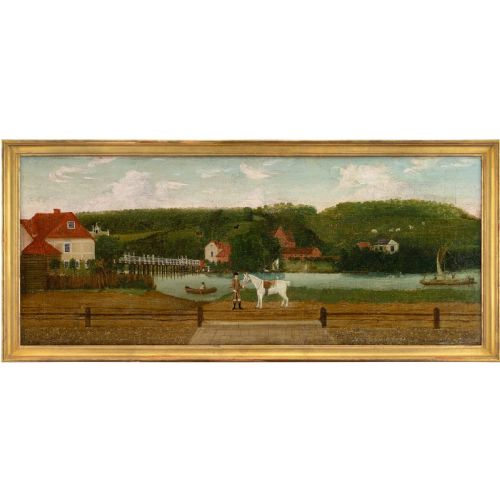
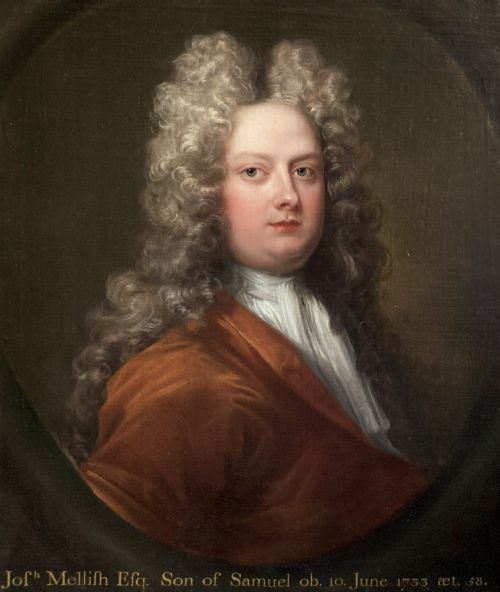
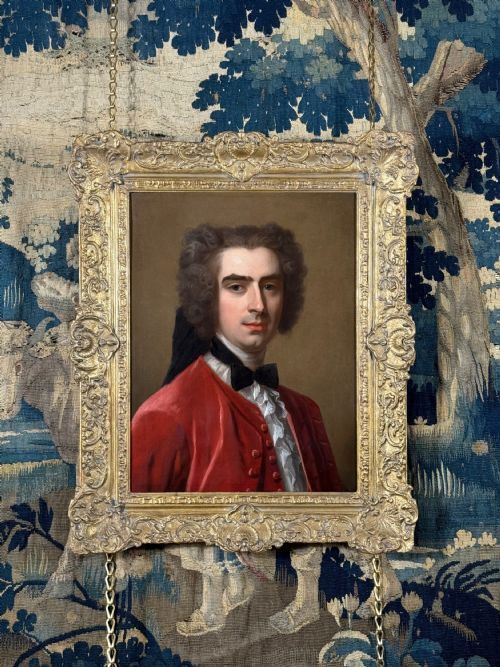
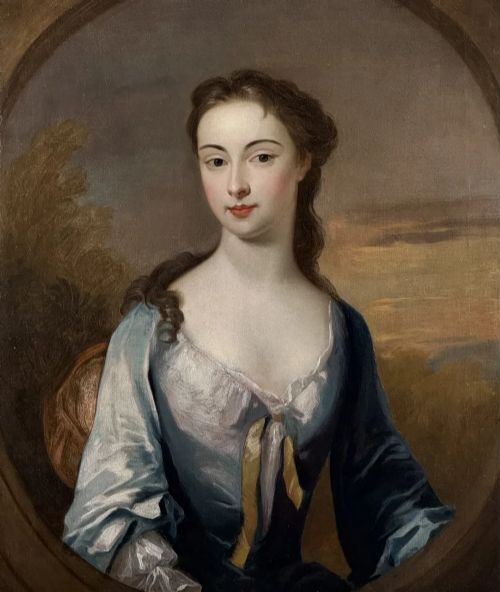
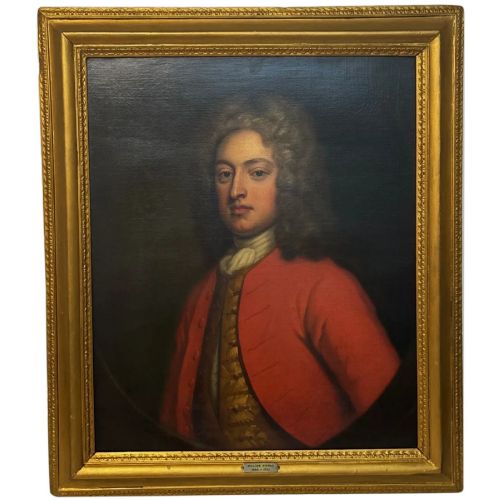
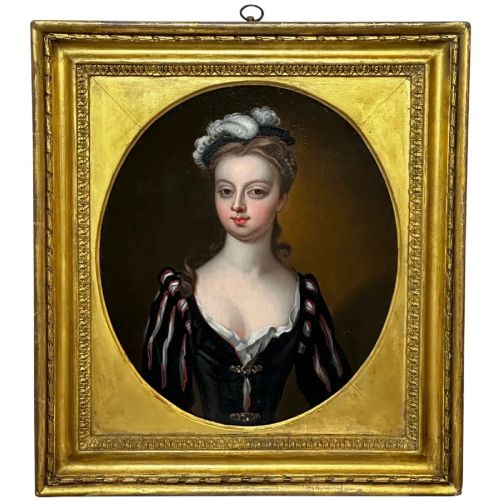
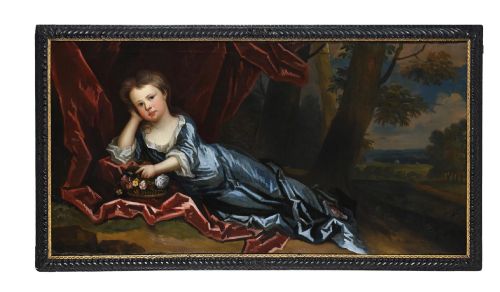
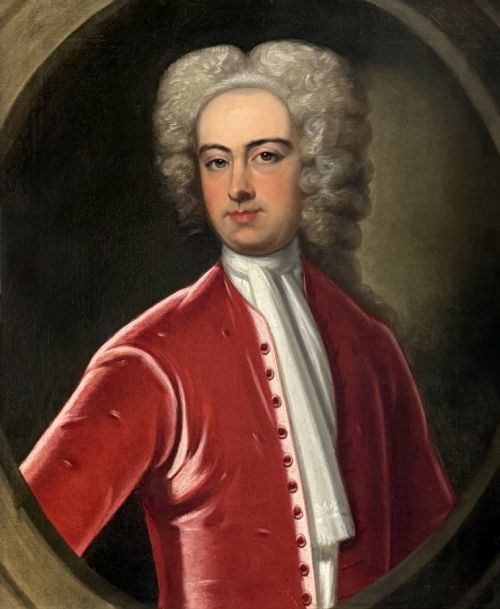
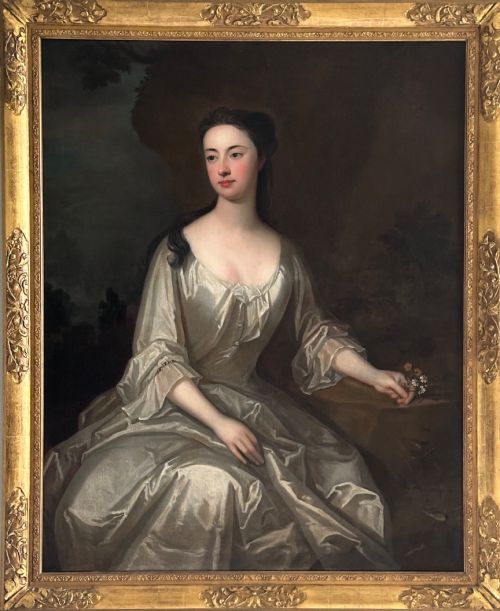
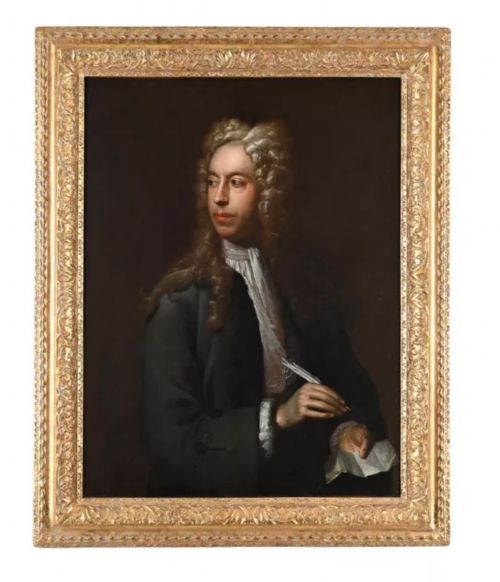
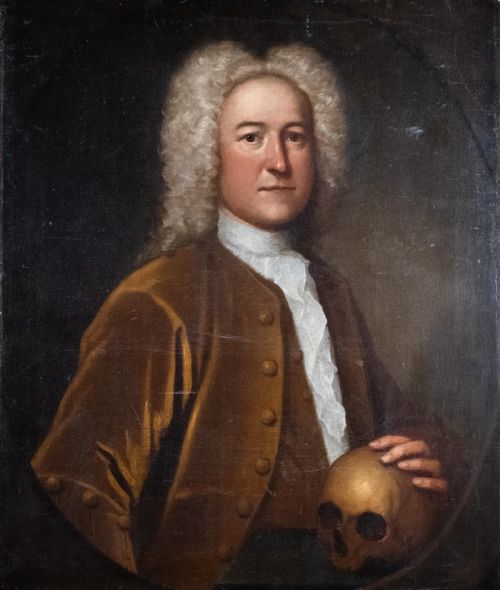
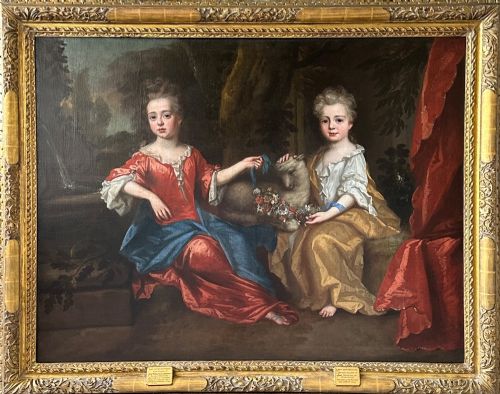
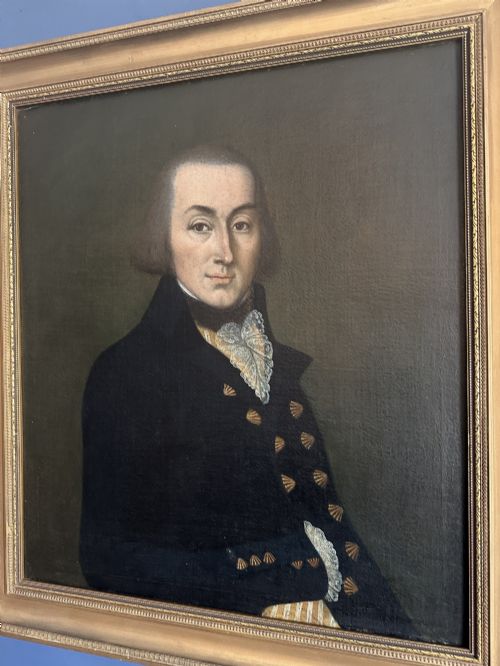
When you search for an early georgian oil painting, you meet works executed primarily during the eighteenth century, dominated by formal portraiture and structured compositions. The pieces span dignified depictions of gentlemen in scarlet jackets or crimson coats alongside depictions of ladies seated in landscapes.
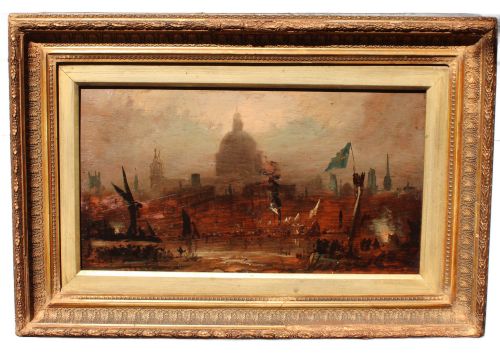
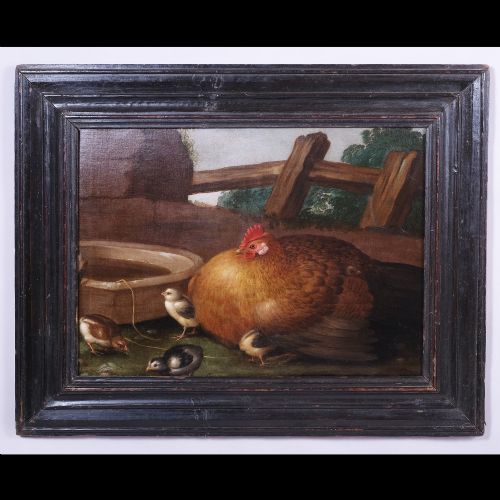
Beyond portraiture, the selection encompasses pastoral subjects such as farmyard scenes and coastal landscapes. Most examples reflect the prevailing British and European schools of the period, often framed in period giltwood.
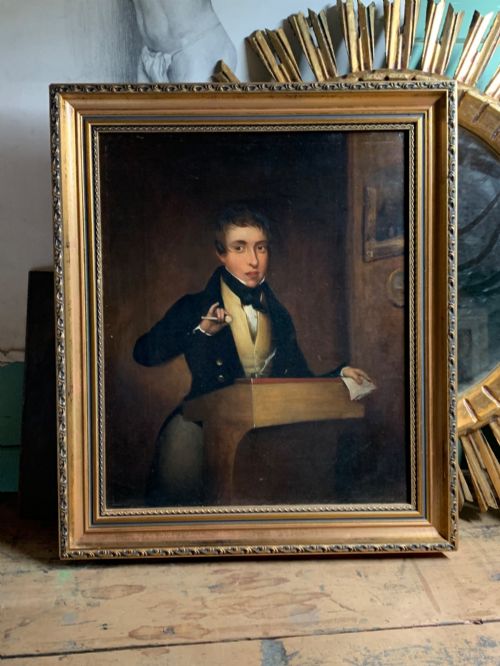
The subjects range from named historical figures to anonymous sitters, offering a direct visual link to the period. Each canvas carries the physical evidence of its age through craquelure and traditional stretching.
How they were made
The primary technique relies on oil paint applied to woven canvas supports, sometimes later laid onto board to ensure structural stability. Painters built up compositions using layered pigments that provided depth to garments like blue dresses and velvet waistcoats.
Surrounding many canvases are frames constructed from wood and finished with gold leaf or giltwood mouldings. These frames were frequently designed to complement the specific artistic style of the painting within.
Materials recorded across the selection include gold leaf, giltwood, wood panels, and traditional woven canvas supports.
What varies in quality
Condition and originality also dictate standing within the field, separating untouched period surfaces from those bearing extensive later overpainting. The integration of the original canvas with period wooden frames further influences the integrity of the piece.
Charles Jervas·Jean-Baptiste Van Loo·Charles D'Agar·Michael Dahl·James Maubert
The Early Georgian Oil Painting Glossary
- Oil on Canvas
- A traditional painting medium where pigments bound in oil are applied to a stretched woven fabric support. This combination allows for rich blending and enduring flexibility.
- Giltwood
- Wood carved and coated with gold leaf or gold paint to create a reflective, decorative surface. It was widely used for period picture frames.
- Circle of
- A designation indicating that an artist worked during the same period and within a similar stylistic milieu as a known master, without being a direct pupil.
- Craquelure
- The fine network of minute cracks that develops across the surface of aged oil paint and varnish. It serves as a visual indicator of a work's chronological age.
- Baroque
- An artistic style prevalent in the seventeenth and early eighteenth centuries characterised by drama, rich colour, and grand scale. It heavily influenced portrait composition of the era.
Early Georgian Oil Painting: Frequently Asked Questions
How do I care for an antique canvas?
Keep the painting away from direct sunlight and sources of heat to prevent the oil paint and canvas from drying out excessively. Dust the surface gently with a soft, dry brush without applying pressure.
Avoid using any liquid cleaners or moisture on the paint surface or the giltwood frame. Professional conservation should be sought if the canvas requires cleaning or structural repair.
Where were these paintings hung?
These works originally hung in the panelled reception rooms, long galleries, and staircases of country estates and townhouses. They served to display lineage, wealth, and cultural alignment.
In modern interiors, they function well in studies, living rooms, and hallways where traditional lighting can highlight the depth of the oil pigments.
How can I tell an eighteenth-century canvas from a later copy?
Examine the reverse of the canvas for the weave, texture, and signs of age such as oxidation and handmade stretcher bars. Eighteenth-century stretchers typically feature mortise and tenon joints held by wooden pegs rather than modern metal staples.
Under magnification, the composition of the paint layer reveals the natural ageing process, including characteristic craquelure that is difficult to replicate authentically.
What does attribution mean in a listing?
Attribution indicates that an expert has linked a previously unsigned or undocumented work to a specific artist based on stylistic similarities. Terms like 'circle of' or 'manner of' refine this relationship further.
These designations help buyers understand the proximity of the anonymous hand to a documented master of the period.