




Baroque Style Portrait Painting
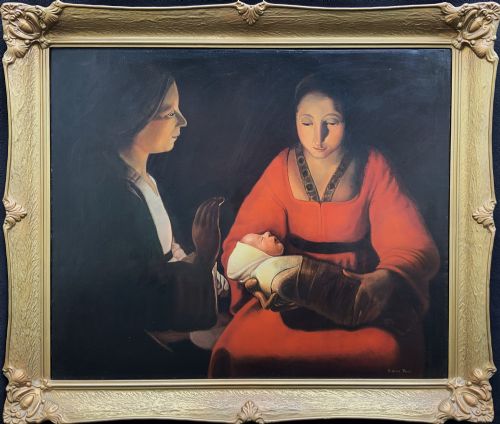
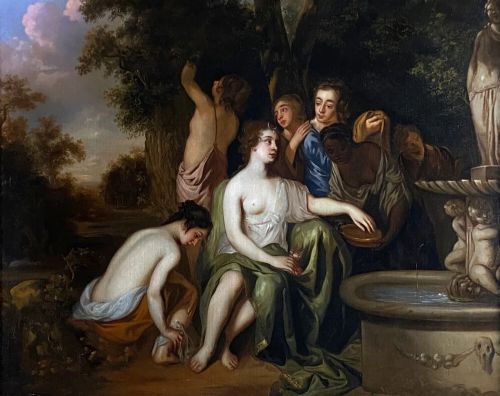
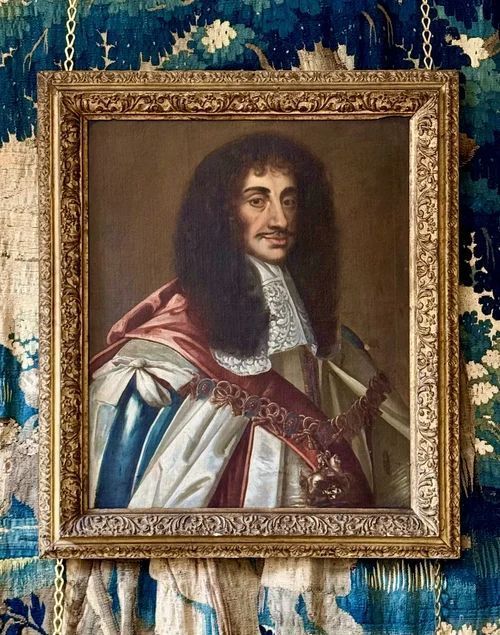
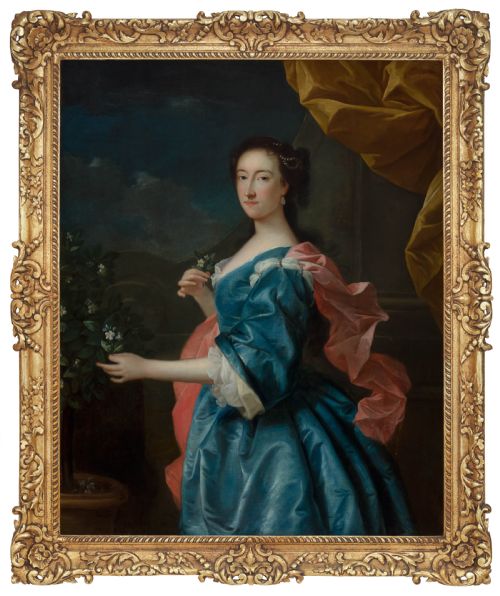
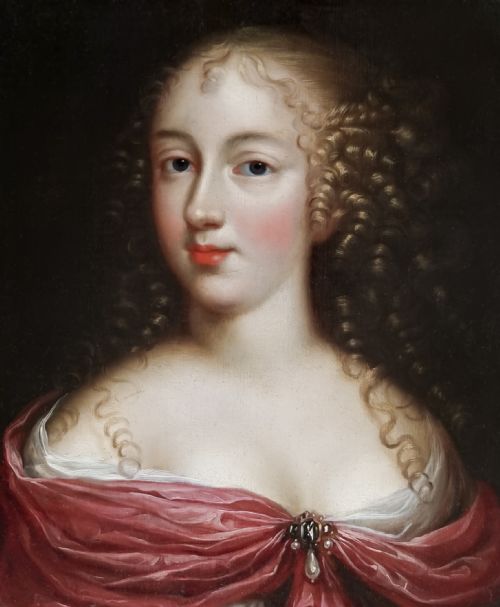
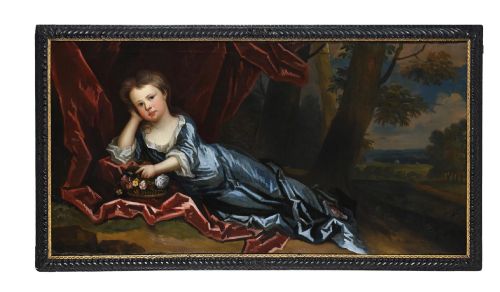
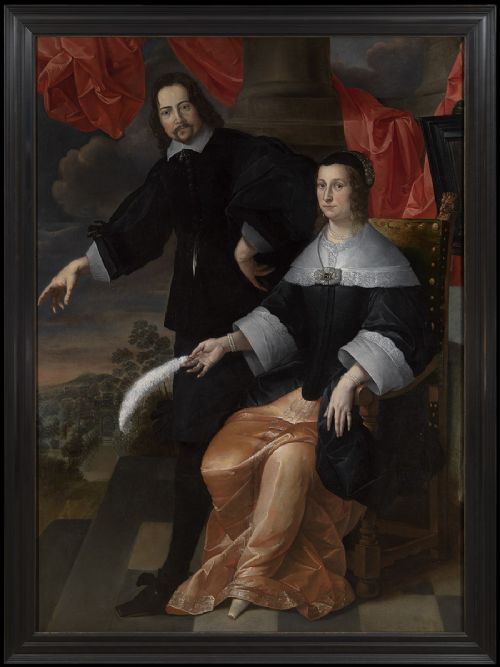
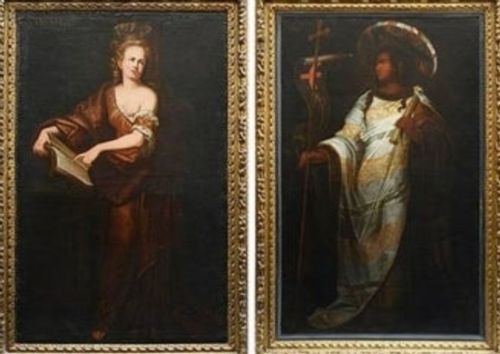
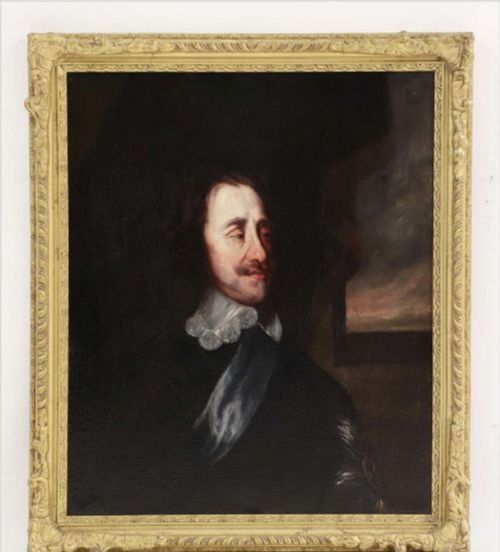
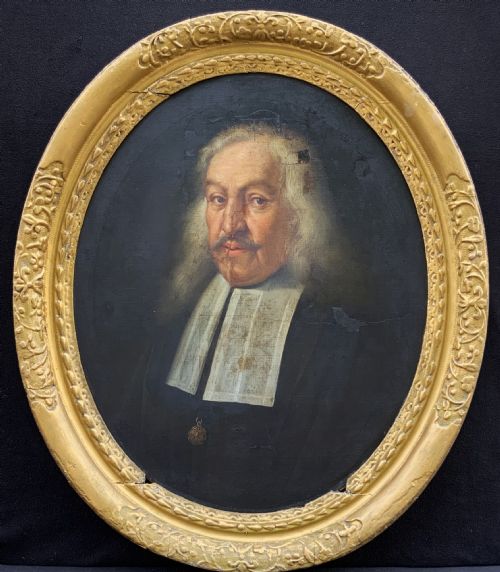
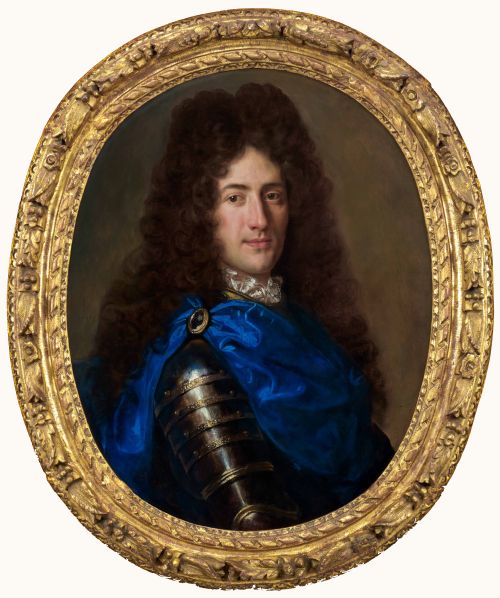
When searching for baroque style portrait painting, collectors find dramatic canvases capturing aristocratic subjects in rich garments, bringing theatrical intensity to interior spaces.
Materials and Technique
Artists painted primarily in oil on stretched canvas or wooden panel, building rich layers of pigment to achieve deep chiaroscuro and luminous fabric textures.
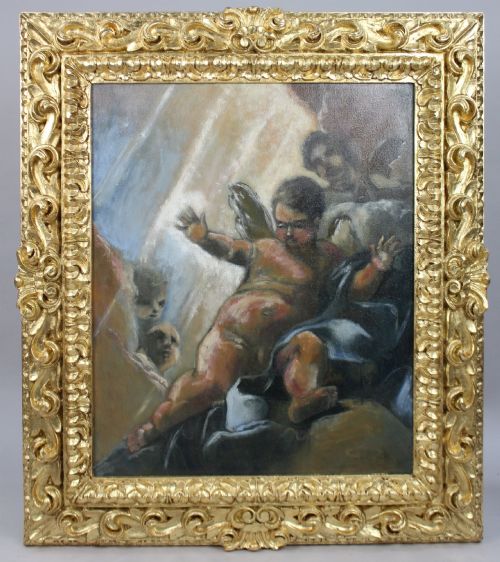
Surviving works are frequently housed within heavy carved giltwood frames that complement the grand scale and theatrical presence of the canvases.
Assessing Quality
Quality rests upon the subtlety of facial modelling, the expressive handling of light across skin and fabric, and the confident execution of intricate lace or armour details.
Works produced by the immediate circle or workshop of established masters display superior anatomical accuracy and psychological depth compared to later decorative copies.
Several noble sitters share space on the wall with playful putti, noble dogs, and a subject caught mid-bath.
Sir Peter Lely·Sir Anthony van Dyck·David Teniers·Rembrandt van Rijn
The Baroque Style Portrait Painting Glossary
- Chiaroscuro
- The strong contrast between light and dark used to give three-dimensional volume to figures. This technique defines the dramatic mood typical of seventeenth-century canvases.
- Giltwood
- Wood carved and covered with a thin layer of gold leaf. These ornate frames enhance the opulent appearance of period portraits.
- Ruff
- A prominent pleated collar of stiffened linen worn during the sixteenth and seventeenth centuries. They signify high social status and wealthy patronage in early portraiture.
- Old Master
- A European painter of skill born before eighteen hundred. Works attributed to the circle or followers of these figures carry significant art historical interest.
Baroque Style Portrait Painting: Frequently Asked Questions
How do I identify a period portrait?
Examine the preparation of the canvas, the ageing of the pigment, and the style of the sitter's costume, which closely reflects historical fashion trends.
Compare the handling of brushwork and framing details with known examples from seventeenth or eighteenth-century European schools.
Where should I hang these large paintings?
These grand canvases demand substantial wall space in principal reception rooms or dining halls where adequate lighting can highlight the dark backgrounds and gilded frames.
Ensure the mounting wall supports the considerable weight of the combined canvas and heavy carved wood surround.
What does 'after' an artist mean?
This designation indicates that the work is a later painted copy or study executed in the manner of a well-known master rather than an original primary output.
Such pieces often date from the nineteenth-century revival periods when collectors sought masterwork compositions for domestic display.
How do I care for antique oil canvases?
Keep the paintings away from direct sunlight, excessive moisture, and fluctuating indoor temperatures to prevent the canvas from sagging or the oil paint from cracking.
Dust the surface gently with a soft, dry brush and consult a professional conservator before attempting any cleaning.