





Powdered Wig Portrait Painting
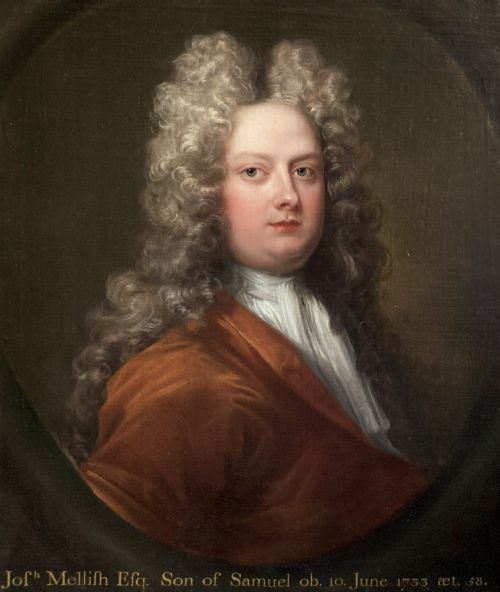
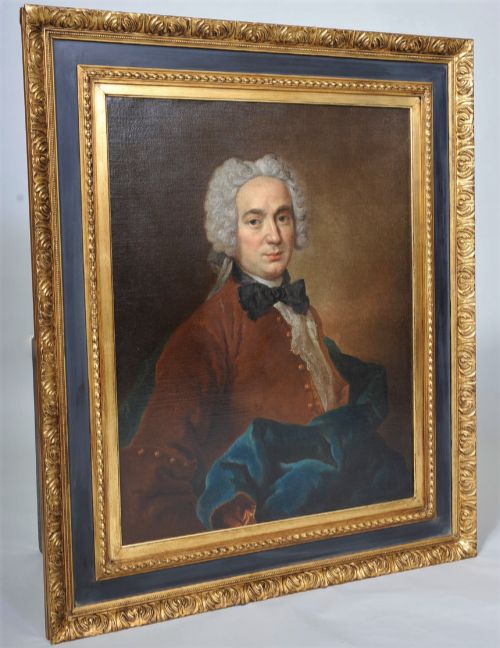
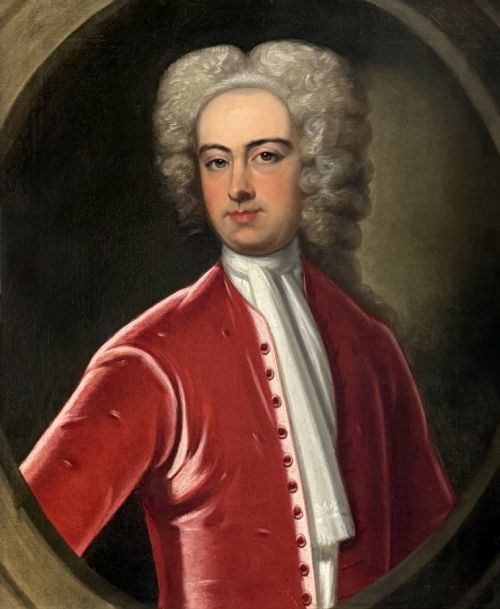
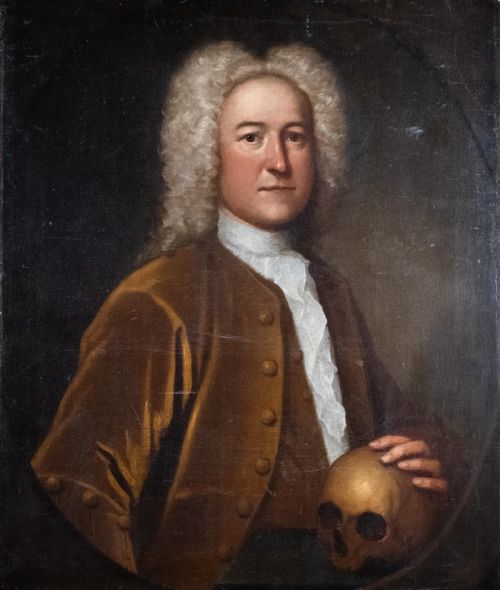
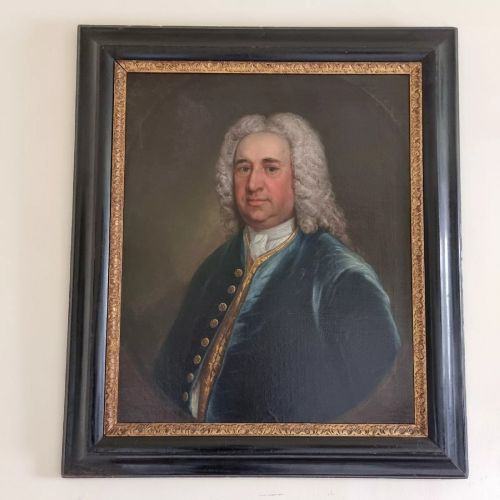
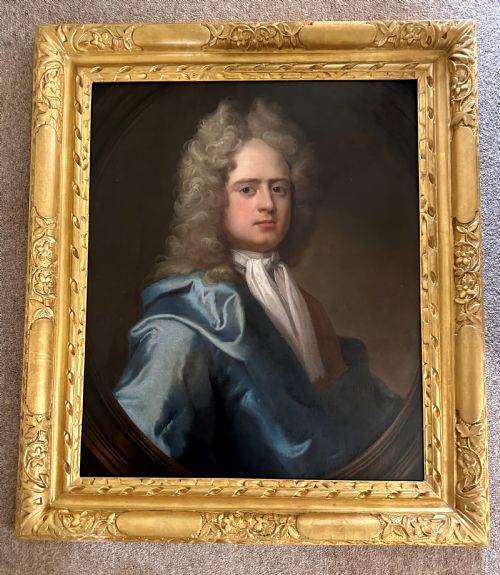
These powdered wig portrait painting works capture an era of elaborate periwigs and direct gaze, offering an authentic window into eighteenth-century society.
Powdered Wig Portrait Painting
A powdered wig portrait painting captures the likeness of gentlemen and notables primarily from the eighteenth century, spanning the Georgian period and early seventeen hundreds. These works commonly take the form of oil on canvas or portrait miniatures framed in giltwood and wood.
Buyers encounter distinct depictions ranging from early eighteenth-century English school oils to later Edwardian costume pieces and French portraiture. The subjects frequently appear in formal coats or clerical garb, reflecting the attire of merchants, clergymen, and gentlemen of the era.
Materials and technique
Artists built these portraits using oil paint on canvas stretched over wooden frames, occasionally producing smaller enamel or hand-painted portrait miniatures. Canvases received layers of pigment to render fabric textures, flesh tones, and the meticulous volume of periwigs.
Frames fashioned from giltwood and gilded wood complement the oil paintings, employing carved details that match the formal aesthetic of the Georgian and eighteenth-century periods.
Listings feature canvas, oil paint, wood, and giltwood materials across the 18th Century, Georgian, and Edwardian periods.
What separates the finest works
Quality rests upon the confidence of the brushwork and the precision with which the sitter's anatomy and expression are rendered. Works attributed to established circles or named hands demonstrate superior control over light, shadow, and fabric drape compared to anonymous or provincial school pieces.
The preservation of the original canvas and the integrity of the gilded wood or giltwood frame influence the overall presence of the piece. Stronger examples retain their original pigments and inscriptions without heavy intervention.
Charles Jervas·Joseph Highmore·Enoch Seeman the Younger·Michael Dahl·Jonathon Richardson·Thomas Hudson·Andrea Soldi
The Powdered Wig Portrait Painting Glossary
- Oil on canvas
- A painting medium where pigments suspended in drying oil are applied to a stretched woven fabric support. This technique allowed artists to achieve rich colour depth and subtle tonal gradations in portraits.
- Portrait miniature
- A small, highly detailed painting, often executed on enamel or vellum, capturing an intimate likeness. These portable works required fine brushes and steady execution.
- Giltwood
- Wood that has been coated with a thin layer of gold leaf or powder. It provides reflective frames that enhance the luminosity of eighteenth-century paintings.
Powdered Wig Portrait Painting: Frequently Asked Questions
What periods do these portraits date from?
The pieces span the seventeenth, eighteenth, and early twentieth centuries, with a heavy concentration in the 18th century and Georgian era. Examples range from seventeen-hundreds canvases to Edwardian-era theatrical miniatures.
Most works align with the classical Georgian aesthetic, depicting subjects in formal coats and elaborate periwigs.
Are these paintings executed in oil?
The primary medium recorded is oil paint applied to canvas supported by wood frames. Some smaller pieces utilise enamel for portrait miniatures.
These materials provide the durability and depth characteristic of formal European portraiture from the period.
Who are the subjects in these paintings?
The subjects are typically identified or anonymous gentlemen, merchants, clergymen, and military figures. Inscriptions on the reverse or canvas sometimes name specific individuals and families.
Such details connect the portraits directly to historical figures of the seventeen and eighteenth centuries.
How should I display an oil portrait?
These works suit traditional wall art placement, housed within their original or period-appropriate giltwood frames. Stable interior environments away from direct sunlight protect the canvas and oil paint.
Allowing adequate wall space lets the formal presence of the periwig and attire set the tone of the room.