




18th Century French Portrait
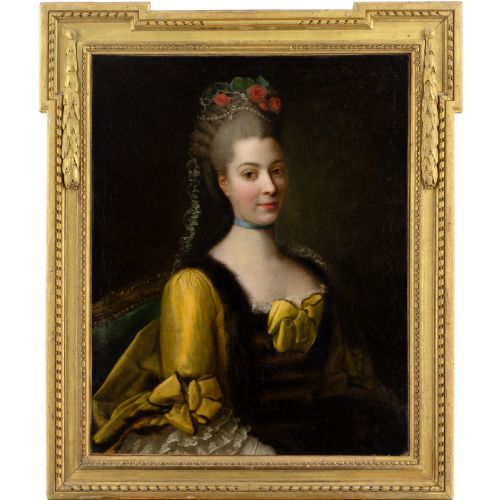
An 18th century french portrait captures the elegance of the period through oil on canvas, delicate miniatures, and engravings.
18th Century French Portrait
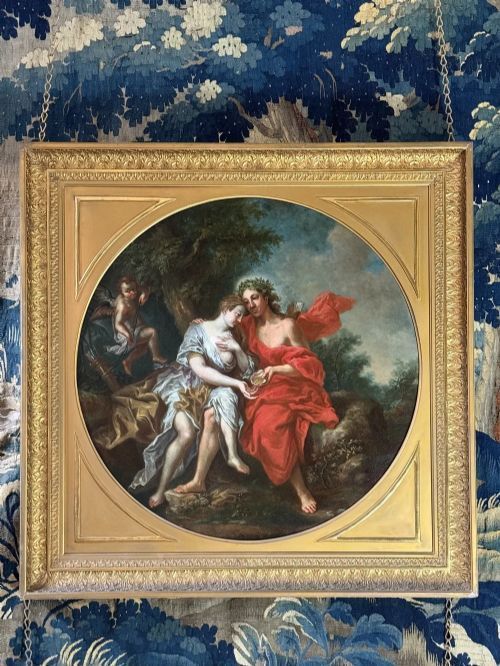
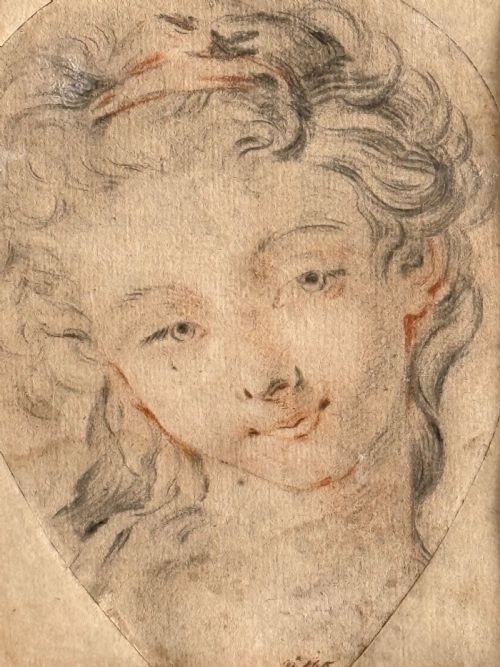
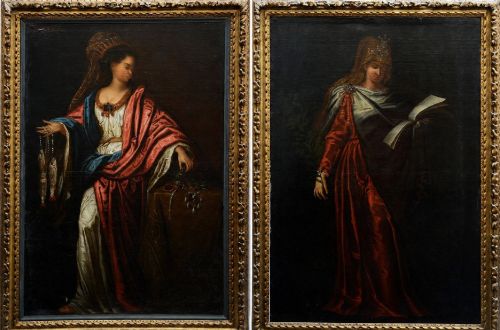
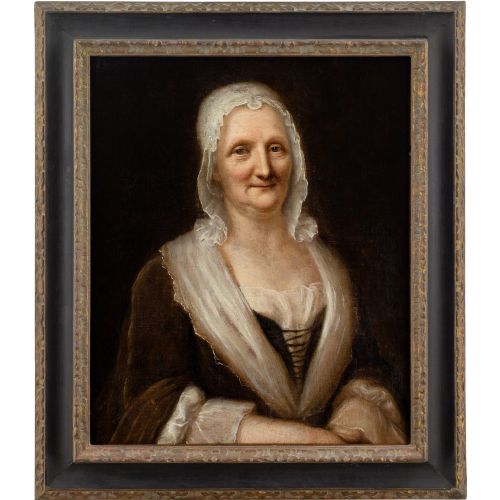
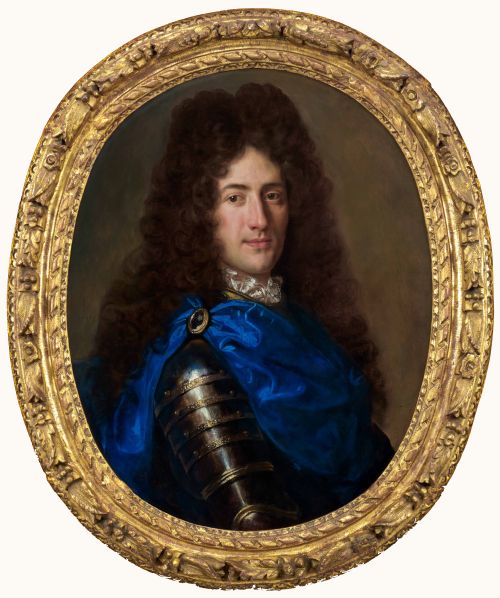
An 18th century french portrait depicts nobles, officers, and ladies in oil paint, pastel, or enamel, reflecting the aesthetics of the French Baroque, Rococo, and Neoclassical styles.
Buyers encounter works from the 17th century through the Regency era, alongside later interpretations and engravings produced in the 19th and 20th centuries.
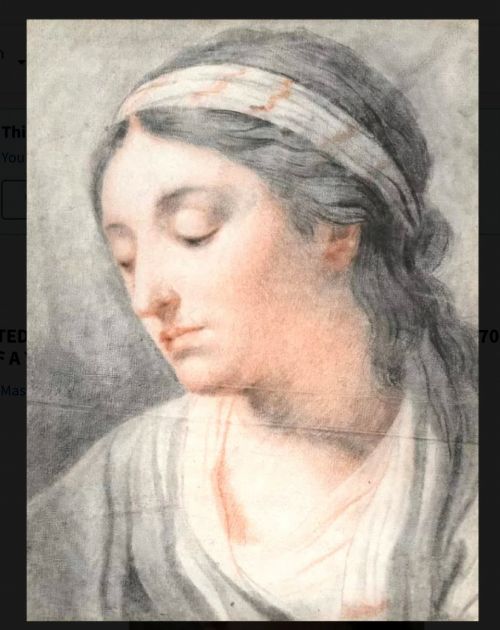
Common formats include framed wall art, miniature paintings on copper or paper, and drawings attributed to regional schools or known artists.
Materials and construction
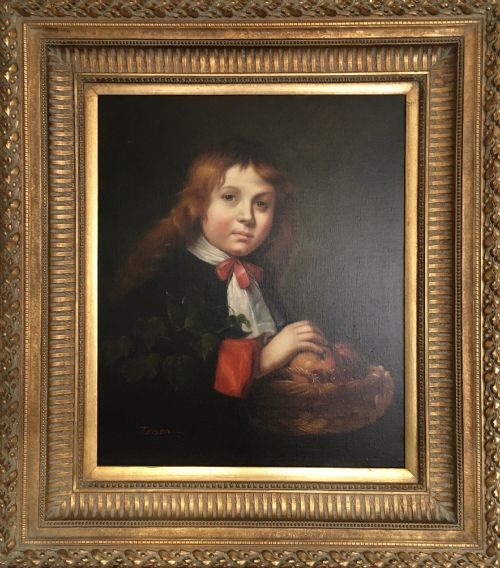
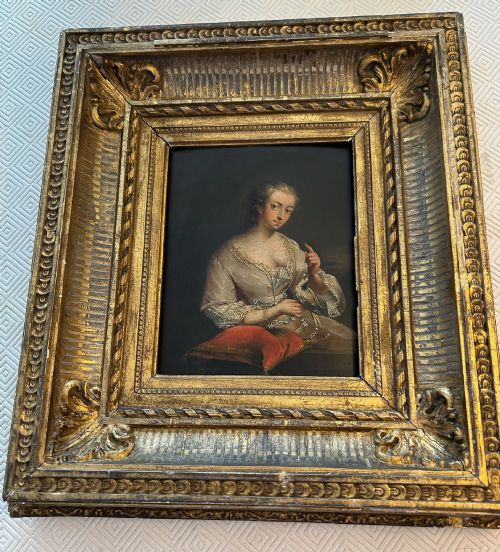
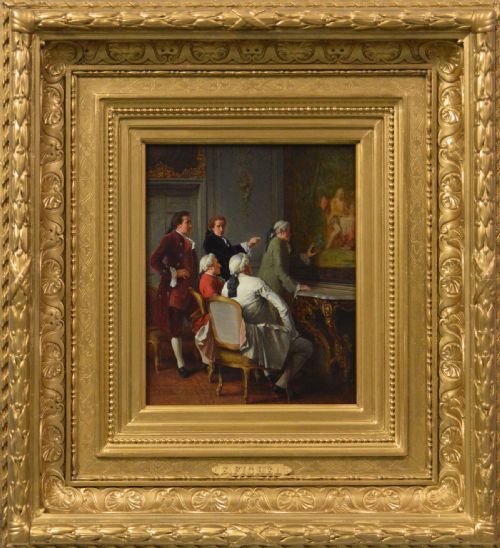
Painters applied oil paint to stretched canvas, wood panels, or copper plates, often framing the finished works in carved and gilded wood.
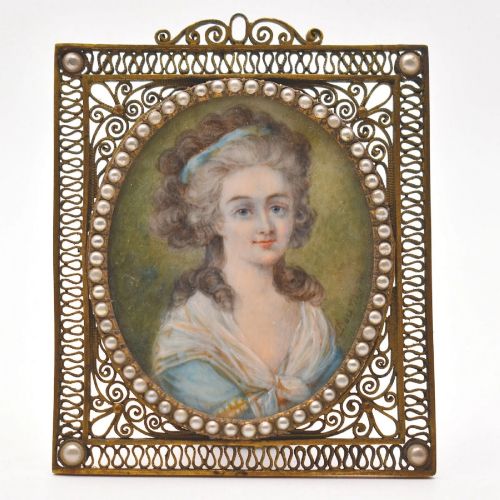
Miniature paintings employed delicate mediums on paper or enamel plaques, sometimes accented with seed pearls within gilt frames.
The selection includes works from the French Baroque, Rococo, Neoclassical, and Regency styles.
Judging quality
The skill of the brushwork in facial expressions, lace jabots, and fabric folds separates studio pieces from lesser copies and later reproductions.
The integrity of the original canvas, the preservation of the pigment, and the quality of the period giltwood frame determine the standing of the work.
Charles-Antoine Coypel·Francois Boucher·Jean-Baptiste Greuze·Nicolas Fouche·Nicolas De Largilliere·Louis Leopold Boilly
The 18th Century French Portrait Glossary
- Oil on Canvas
- Pigment mixed with drying oil applied to a woven fabric support. This surface provides depth and texture characteristic of period paintings.
- Giltwood
- Wood carved and coated with gold leaf or a gold-coloured finish. Frames utilising this material complement the opulence of the depicted subjects.
- Miniature Painting
- A small-scale portrait executed with fine detail on materials such as copper, paper, or enamel. These works were often intended for private viewing or personal wear.
- French Rococo
- An artistic style marked by ornate curves, lightness, and pastel palettes. Portraits in this manner emphasise playful or theatrical themes.
- Engraving
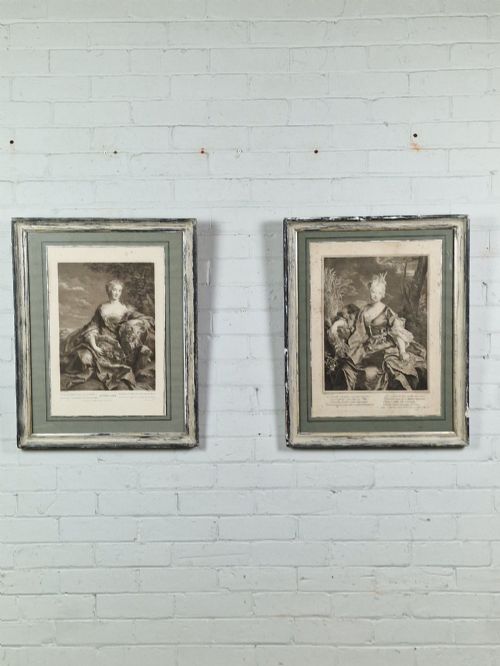
- A print made by cutting a design into a metal plate which holds ink for transfer onto paper. This technique allowed popular painted portraits to be widely distributed.
18th Century French Portrait: Frequently Asked Questions
How do I identify an 18th century french portrait?
Examine the costume, wig style, and pigment characteristics against known period examples. Brushwork and framing materials also offer clues to the age of the piece.
Signatures or inscriptions on the reverse often point toward specific schools or attributed artists recorded in the historical archive.
What is the difference between an oil painting and an oleograph?
An oil painting consists of hand-applied pigments on canvas or wood by an artist. Brush texture and layering are visible upon close inspection.
An oleograph is a mechanical reproduction that simulates the texture of an oil painting on paper or canvas, common in later revival periods.
Were these portraits originally framed?
Portraits from this era were created to be housed in ornate frames made of carved giltwood or gesso. These housings were designed to reflect interior decor trends of the period.
Many surviving pieces retain their original or period-appropriate frames, which contribute significantly to the historical context of the artwork.
How should I care for a canvas portrait?
Keep oil paintings away from direct sunlight and fluctuating humidity to prevent the canvas from sagging and the paint from cracking. Gentle dusting with a soft, dry brush is sufficient for maintenance.
Avoid using liquid cleaners on the canvas or the giltwood frame, as moisture damages historical binders and gold leaf.