


Blue Oil Portrait Painting
Discover a blue oil portrait painting to bring centuries of character, rich pigments and historic costume into your home.
Blue Oil Portrait Painting
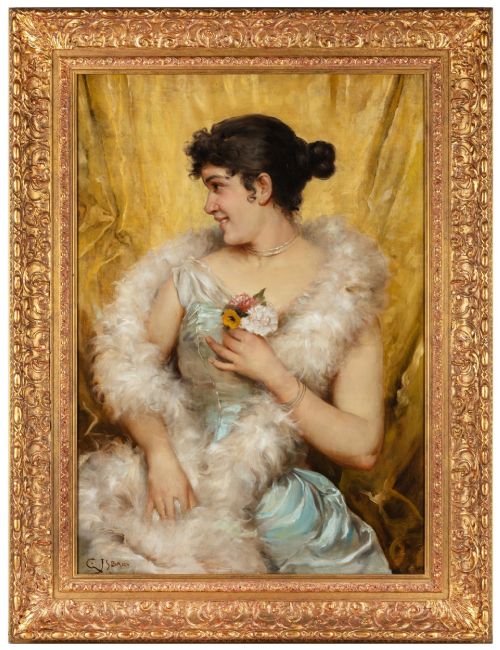
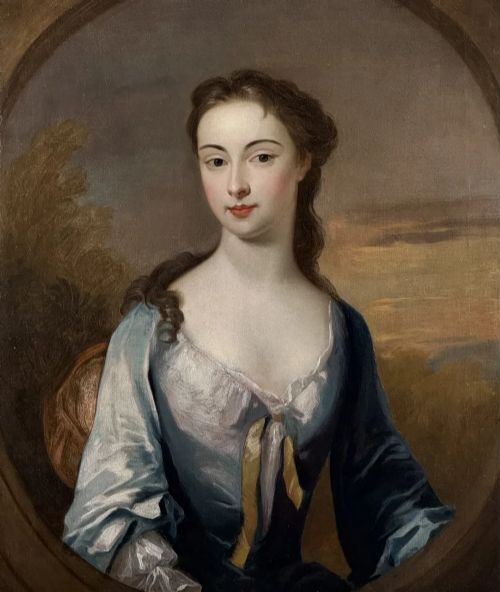
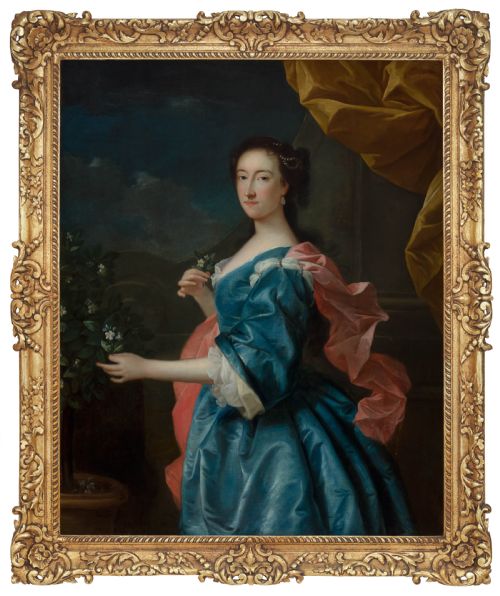
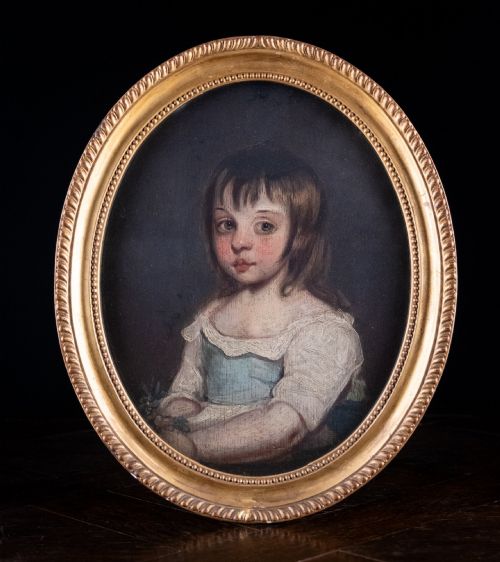
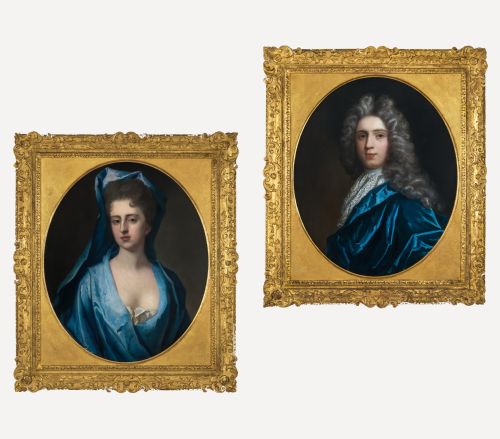
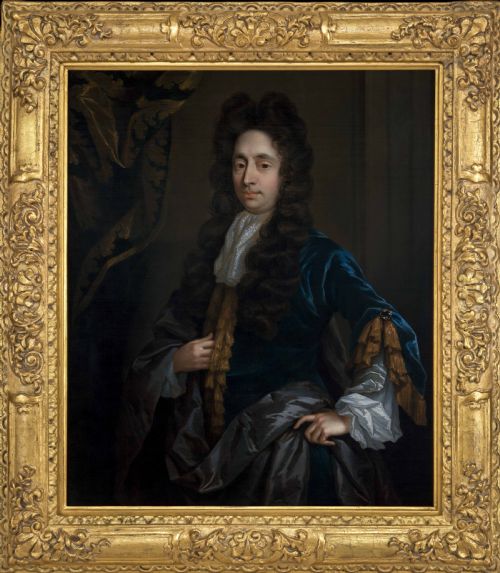
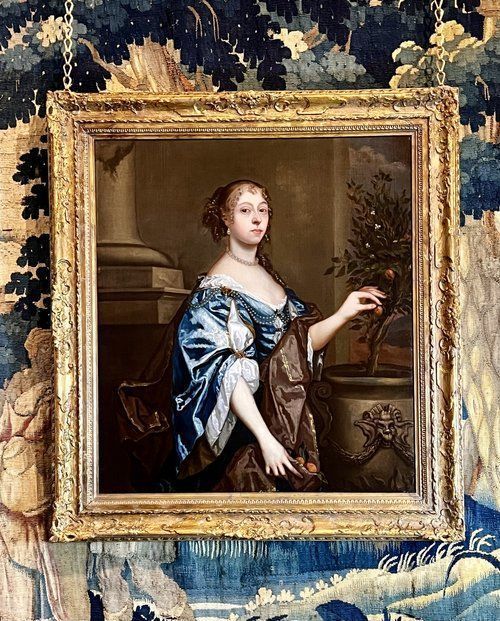
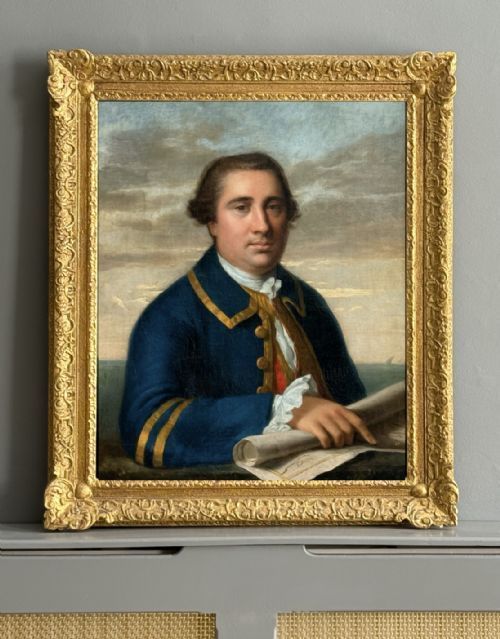
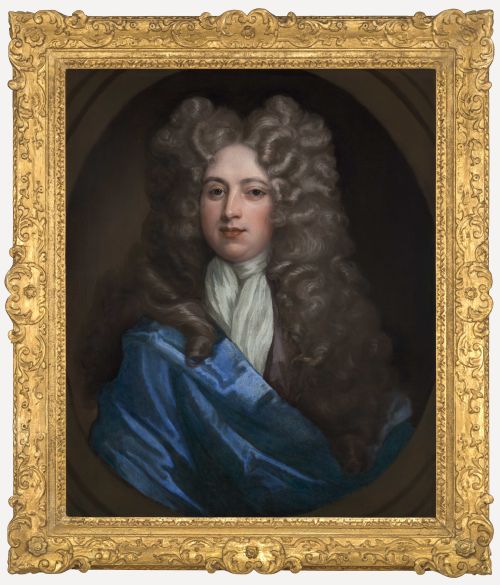
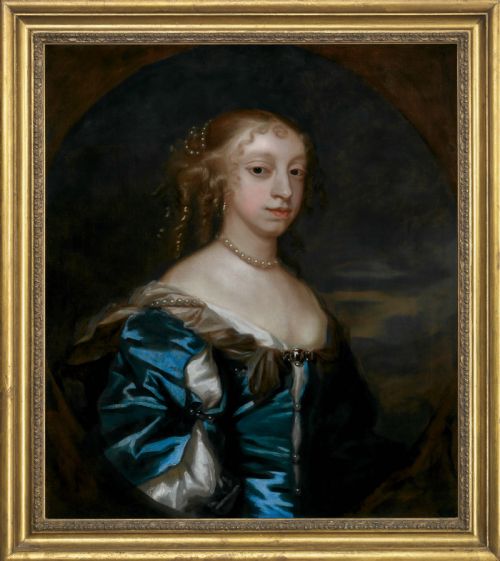
A blue oil portrait painting captures historic sitters draped in cobalt gowns, azure cloaks, and silk ribbons across multiple centuries. These artworks range from formal seventeenth-century aristocratic studies to nineteenth-century romantic depictions and twentieth-century interpretations.
The selections span grand British school canvases, continental European works, and intimate panel paintings. Buyers encounter both documented portraiture of named nobility and anonymous studies of everyday sitters set against muted backgrounds.
Subjects frequently wear distinct blue garments or feature subtle cerulean ribbons, drawing the viewer into the psychological depth of the face. The surviving examples demonstrate how painters utilised varied tones of blue to denote wealth, status, and mood.
How they were made
Artists applied rich oil paint directly onto stretched canvas or wooden panels, often building up complex glazes to achieve deep, luminous shades of blue. Grounds of gesso or lead white prepared the surface before the painter layered pigments to model the contours of the face and folds of fabric.
Master portraitists utilised natural mineral and earth pigments bound in linseed oil, working up the compositions through preliminary underpainting. The resulting surfaces display subtle brushwork, craquelure, and the distinct texture of woven canvas or smooth timber boards.
Several noble sitters share space with attentive spaniels and baskets of freshly plucked oranges.
What varies in quality
The distinction between standard workshop output and top-tier masterwork lies entirely in the psychological acuity of the face and the confident handling of fabric. Superior examples render the luminosity of silk and velvet with deft brushstrokes that suggest weight and movement.
John Hayls·Charles Jervas·Jeremiah Davison·Michael Dahl·Thomas Murray·Constantyn Netscher·Pieter Borsseler·Lemuel Francis Abbott·Sir Joshua Reynolds·Charles D'Agar·Robert Byng·Joseph Vivienne·Henri and Charles Beaubrun·Henry Pickering·Enoch Seeman·Jonathan Richardson·Herman Verelst·Robert Levrac-Tournières·John Downman·Sir Godfrey Kneller·John Closterman·Mary Beale·Vincent Galloway
The Blue Oil Portrait Painting Glossary
- Canvas
- A heavy woven fabric stretched across a wooden frame to serve as a sturdy painting support. It has remained a primary substrate for oil painters since the Renaissance.
- Giltwood
- Wood that has been carved and coated with a thin layer of gold leaf or gold paint. This material frequently frames antique portraits to enhance their visual presence.
- Panel
- A flat piece of wood used as a rigid painting surface instead of canvas. Panel paintings often survive from earlier periods and require stable environmental conditions.
- Manner
- A descriptive term indicating that a painting follows the artistic style or compositional approach of a specific master without being an autograph work by them.
- Craquelure
- The fine network of minute cracks that develops across the surface of aged oil paint and varnish over decades. It serves as a natural indicator of age and material stability.
Blue Oil Portrait Painting: Frequently Asked Questions
How can I date an oil portrait?
Dating relies heavily on the sitter's costume, hairstyle, and wig style, which shifted rapidly across the seventeenth, eighteenth, and nineteenth centuries. Details such as cut sleeves, cravats, and the specific shape of a blue gown provide reliable chronological markers.
Material analysis of the canvas, stretcher frames, and the composition's underlying pigments further helps narrow down the decade of creation. Examining the reverse of the canvas or panel often reveals historic inscriptions or labels.
Where should I hang a portrait?
These paintings suit traditional reception rooms, libraries, and hallways where directional lighting can illuminate the richness of the oil pigments. Placing a portrait away from direct sunlight protects the delicate blue glazes and prevents the canvas from drying out.
Pairing the artwork with period furniture or neutral walls allows the historic presence of the sitter to dominate the space. Ensuring stable room humidity is essential for preserving both the wooden frame and the canvas.
What does attributed mean?
Attribution indicates that while a painting is not signed by the artist, stylistic evidence links it closely to their known studio or circle. This assessment rests upon comparative study of brushwork, facial rendering, and compositional handling.
Such attribution gives buyers a credible pathway to understanding the work's historical context and workshop origins. It represents the considered opinion of specialists who study period painting techniques.
Why did sitters wear blue?
Blue pigments, particularly ultramarine derived from lapis lazuli, were historically costly and signaled the wealth and high status of the sitter. Commissioning a portrait in a blue gown or cloak demonstrated both financial means and refined taste.
Over time, paler blue silks and velvet ribbons became fashionable accessories in portraiture to complement skin tones. These garments allowed artists to showcase their skill in rendering shimmering textile highlights.