




Old Master Style Canvas
When choosing an old master style canvas, you are acquiring a painted work that echoes the compositions, lighting, and subjects of historic European art.
Old Master Style Canvas
An old master style canvas spans centuries of artistic tradition, drawing upon the aesthetics of the Renaissance, Baroque, and Dutch Golden Age. Buyers encounter works ranging from authentic period pieces executed in the sixteenth, seventeenth, and eighteenth centuries to later nineteenth-century and mid-twentieth-century interpretations.
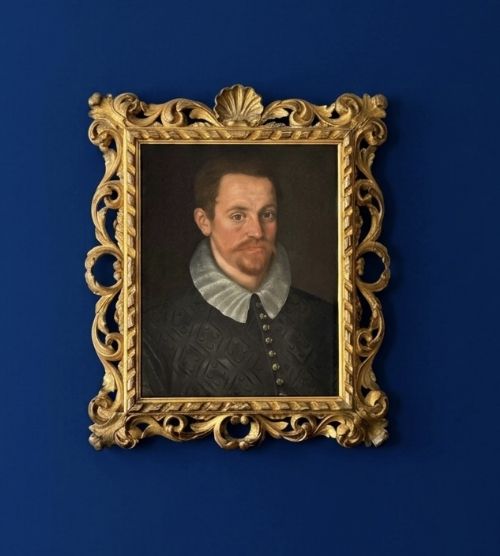
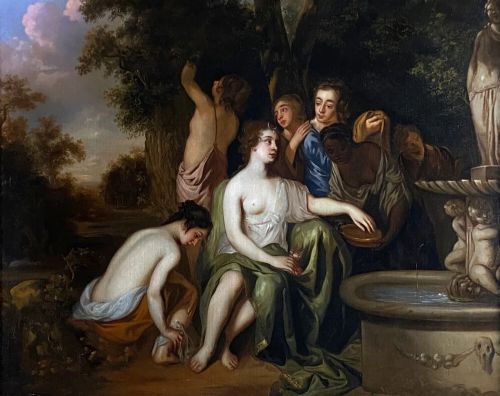
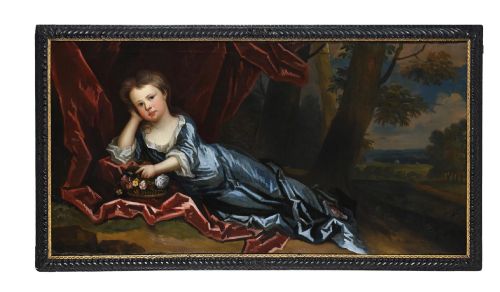
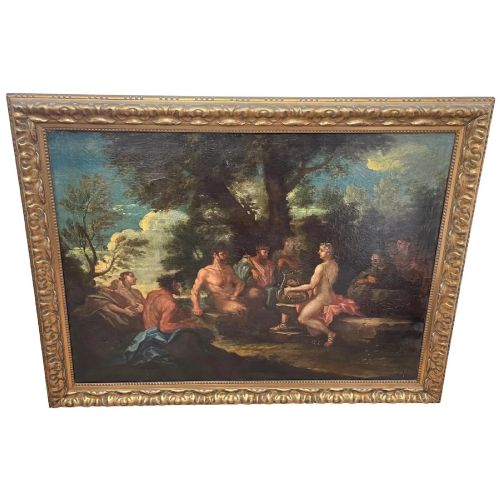
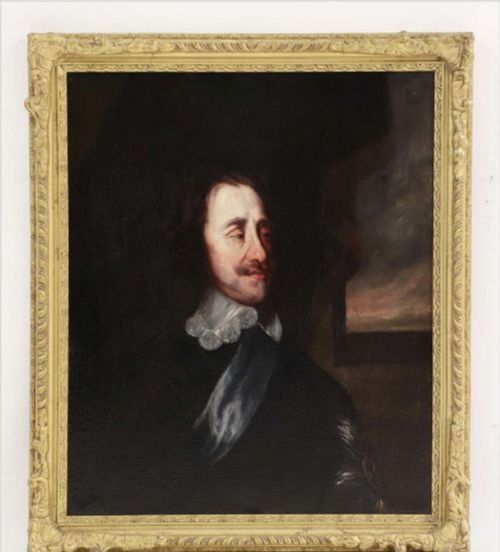
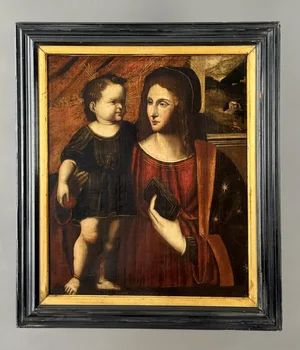
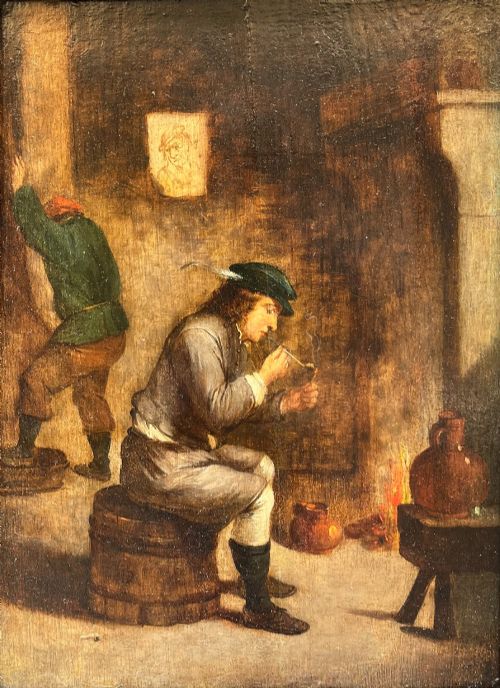
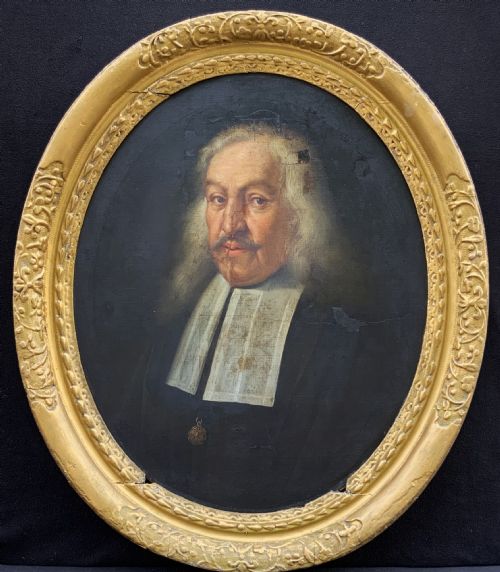
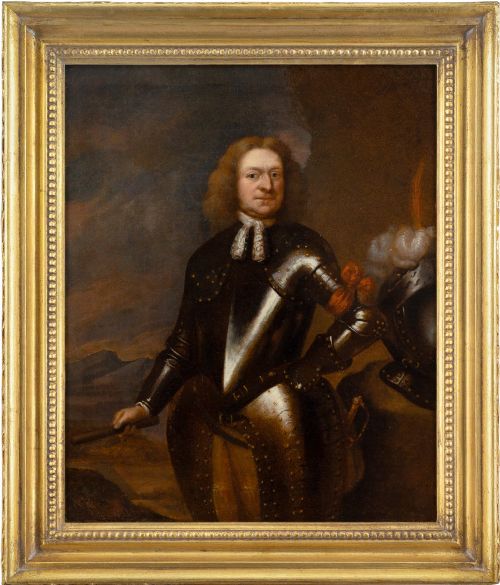
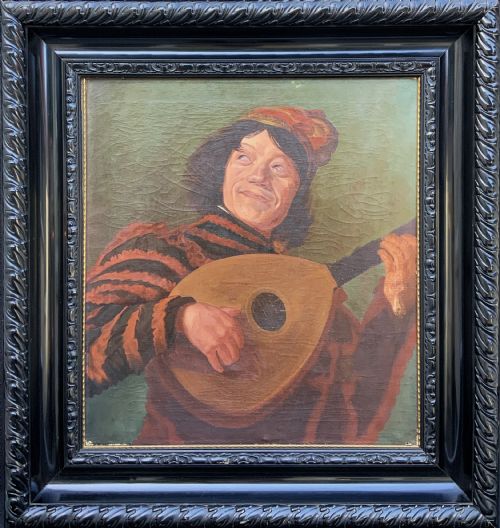
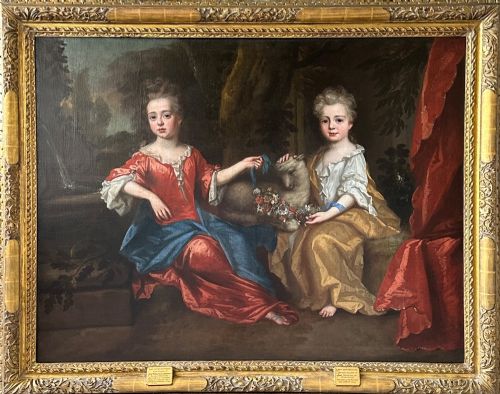
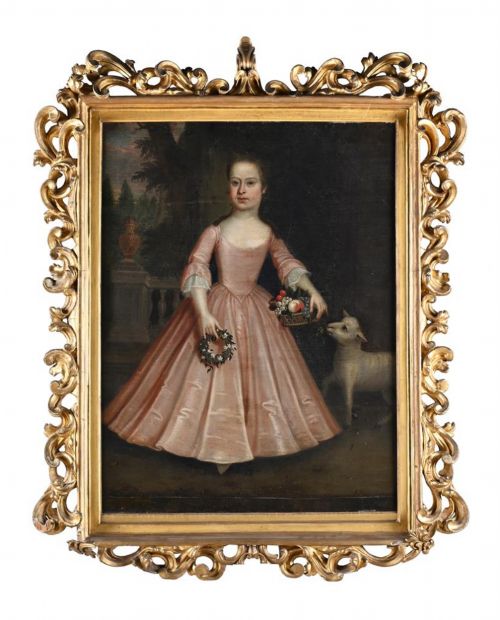
The subjects depicted on these canvases vary widely, encompassing formal portraiture of nobility and gentlemen, biblical scenes such as the Virgin and Child, classical mythology, tavern interiors, still lifes of flowers, and dramatic landscapes. Portrait paintings and religious compositions dominate the selection available to collectors.
Origins stretch across various European schools, notably English, Italian, Flemish, Dutch, and Spanish workshops. Many pieces originate from the circle, studio, or followers of renowned historical painters, while others represent later revivals of these enduring artistic traditions.
Materials and Technique
The primary substrate utilised across these works is woven canvas, stretched to receive layers of pigmented oil paint. Artists built up their compositions using oil on canvas, allowing for deep glazing, rich colour saturation, and subtle tonal gradations characteristic of the period.
Many surviving canvases retain their original mounting or are housed within heavy, decorative surrounds fashioned from wood, often embellished with gold leaf or giltwood. The combination of oil paint and gilded framing creates the characteristic visual weight associated with historical paintings.
Some seventeenth-century canvases preserve the steadfast gaze of gentlemen in heavy wool doublets who likely sat still for hours smelling faintly of pipe tobacco.
Evaluating Quality
Quality in these painted works rests upon the dexterity of the brushwork, the depth of the palette, and the anatomical accuracy of the figures depicted. Superior examples demonstrate a sophisticated handling of light and shadow, creating realistic textures in fabrics, skin, and foliage.
The strength of provenance and the closeness of the connection to a recognised school or master workshop also influence the standing of a piece. Finer canvases exhibit confident draughtsmanship and harmonious composition that successfully capture the gravitas of historical European painting.
Sir Peter Lely·Charles D’Agar·Bernardino Luini·David Teniers·Frans Hals·James Maubert·Nicolaes Maes·Raphael·Benvenuto Tisi·Francesco Solimena·Marmaduke Cradock·Jacob Bogdani·Nicolas De Largillière·Rembrandt van Rijn·Gudrun Sibbons
The Old Master Style Canvas Glossary
- Baroque
- A European style spanning the seventeenth and early eighteenth centuries characterised by dramatic lighting, rich colour, and intense emotion. It often creates a strong sense of movement in figurative and landscape painting.
- Circle of
- A designation indicating that an artist worked in the immediate milieu of a known master, sharing similar techniques and stylistic traits without being the master himself. Such works reflect the direct influence of the primary artist's workshop.
- Giltwood
- Wood that has been coated with a thin layer of gold leaf or gold paint. This material is standard for traditional picture frames housing classical and renaissance revival paintings.
- Genre painting
- The pictorial representation of scenes from everyday life, involving ordinary people engaged in common activities. These works often depict tavern interiors, domestic settings, or rural festivities.
- Still life
- A painting featuring an arrangement of inanimate objects, commonly everyday items or natural elements such as flowers and fruit. In historical contexts, these compositions frequently carried symbolic meanings.
Old Master Style Canvas: Frequently Asked Questions
What defines an old master style canvas?
These works are paintings executed on woven fabric that replicate or derive from the techniques, subjects, and dramatic lighting of European art from the sixteenth to the eighteenth centuries. They encompass original historical pieces as well as later tributes.
Collectors prize them for their rich oil pigments, classical compositions, and the historic atmosphere they bring to an interior space.
How do I care for an oil painting on canvas?
Keep the canvas away from direct sunlight, excessive moisture, and rapid temperature fluctuations to protect the wooden stretchers and the oil pigments. Dust the surface gently with a soft, dry brush without applying pressure.
Avoid using liquid cleaners or chemical solvents on the paint layer. Professional conservation is recommended for any structural repairs or cleaning.
What is the difference between a copy and a follower's work?
A copy attempts to replicate an existing specific painting as closely as possible, whereas a work by a follower employs the general style, techniques, and thematic approach of a master without duplicating a single known composition.
Both categories reflect the enduring influence of historic European academies and workshops on subsequent generations of painters.
How are these paintings traditionally framed?
Traditional presentations utilise robust wooden frames, frequently finished with gold leaf or gilded plaster mouldings. These heavy surrounds are designed to complement the dark tones and dramatic lighting of the canvas within.
Many period frames are matched to the era of the painting, enhancing the overall visual impact of the artwork.