



Antique Village Scene Painting
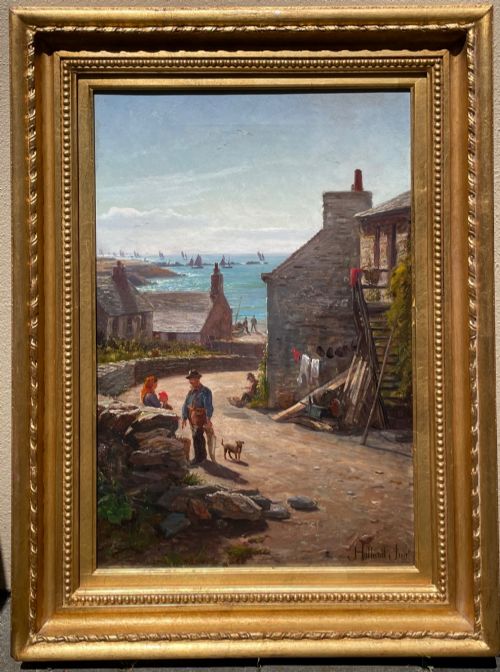
An antique village scene painting captures rural community life through the brush of past artists, offering buyers a window into historic country streets and rustic homes.
Antique Village Scene Painting
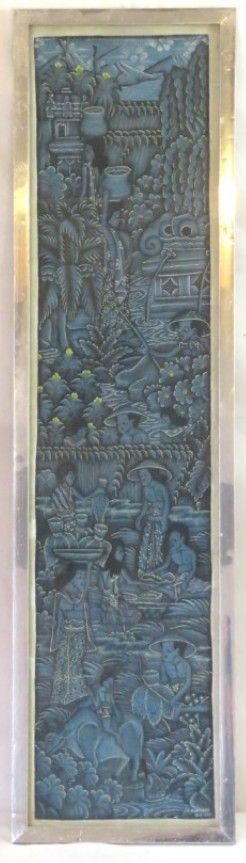
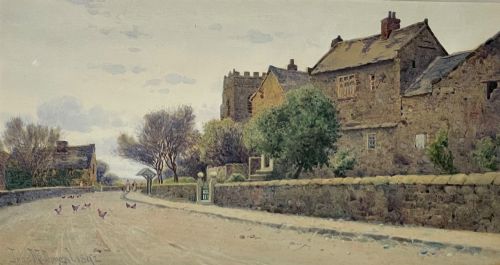
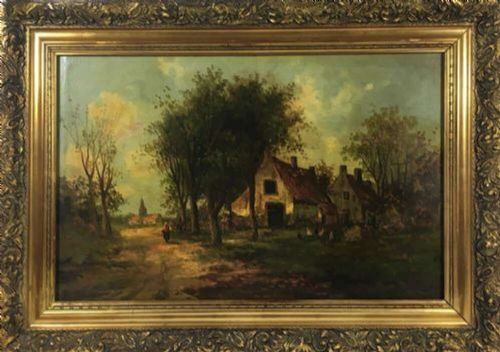
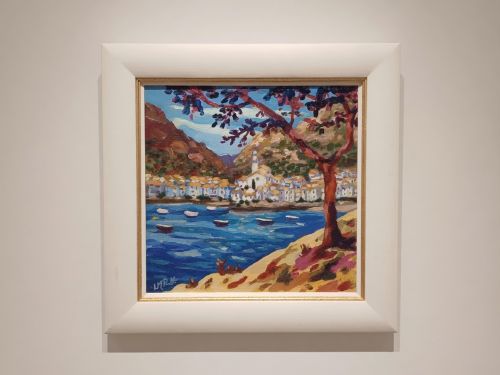
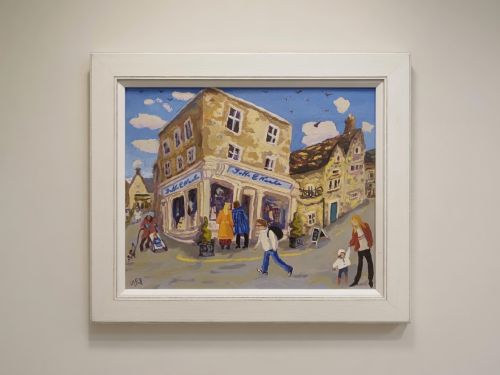
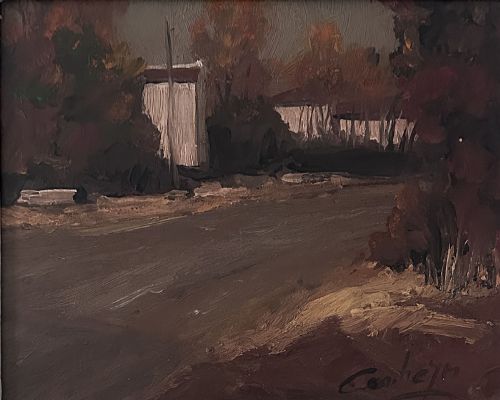
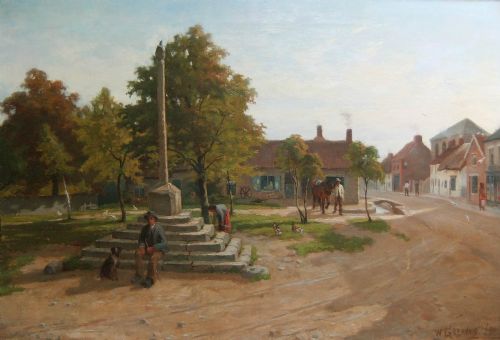
An antique village scene painting represents rural settlements, country cottages, and coastal harbours produced across the nineteenth and twentieth centuries. When searching for an antique village scene painting, buyers encounter works executed in oil, watercolour, pastel, and gouache by British, European, and international artists.
The pieces on this page span Victorian works through to mid-century compositions, featuring specific locations from Yorkshire and Cornwall to French and Dutch landscapes. These artworks document changing rural architecture, daily labour, and local topography in varied regional styles.
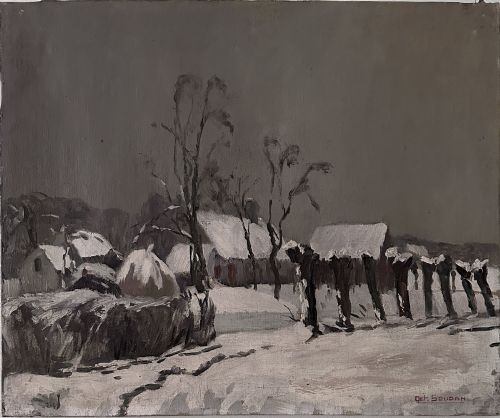
Subjects range from snow-covered country lanes and winter scenes to bustling market mornings and quiet coastal harbours. Buyers find both intimate watercolours on paper and larger oil paintings on canvas depicting historic communities.
How these artworks were produced
Artists applied oil paint to canvas or board, watercolour and gouache to paper, and pastel to prepared surfaces to build these rural views. Pigments were manipulated using brushes and fine strokes to capture natural light, winter snow, and coastal atmosphere.
Works frequently retain their original framing materials, including wood, glass, and gold leaf, which protect the fragile paper or canvas supports. Support materials vary from heavy woven canvas to fine watercolour paper and card.
Techniques range from detailed British Impressionist brushwork to precise Victorian watercolour washes and textured impasto oils. Painters worked both plein air in locations like St Ives and Newlyn, and finished compositions within studio settings.
Several winter scenes record freezing conditions with villagers gathering fuel, skating on ice, and tending fires while horses pull heavy carts.
What separates works within the range
Quality rests upon the artist's command of light, atmosphere, and spatial depth within the rural setting. Stronger pieces convey the specific character of a location, whether a Yorkshire village or a Dutch winter scene, through confident brushwork and balanced composition.
The handling of natural elements, such as moving water, winter skies, and figures engaged in daily labour, distinguishes accomplished output from standard topographical recording. Materials also contribute, as robust oil on canvas and well-preserved watercolours under glass maintain their visual impact over centuries.
John McDougal·Edward Mills·William Greaves·John Holland·Gaston Cornil·George Turland Goosey·Arthur Tucker·David Teniers II·M. C. Hider·Charles Vickers·James Watson·George Gregory·John Smith Atherton·Robert Hollands Walker·Joseph W. Milliken·Percy Brooke·David Woodlock·V. Zirakian·Henry Sykes·William Lee Hankey·Robert McGregor·B W Leader·Edwin Masters·George Smith Of Chichester·Henry Charles Fox RBA
The Antique Village Scene Painting Glossary
- Oil on Canvas
- A painting medium where pigments suspended in oil are applied to a woven fabric support stretched across a wooden frame. This technique allows for rich colour blending and textured impasto surfaces.
- Watercolour
- A painting method where water-soluble pigments are applied to paper to create translucent washes of colour. It is frequently employed for detailed topographical and architectural views.
- Gouache
- An opaque water-based paint often combined with watercolour on paper to add solid highlights and dense colour areas. It provides rich opacity compared to standard transparent washes.
- Pastel Drawing
- An artwork created using dry pigment sticks pressed onto paper or board. It produces soft, powdery colour transitions well suited to atmospheric landscape and village studies.
- Impressionism
- A nineteenth-century artistic approach focused on capturing the visual impression of a moment, particularly shifting light and open-air conditions. Practitioners favoured visible brushstrokes and unblended colours.
Antique Village Scene Painting: Frequently Asked Questions
What periods do these paintings cover?
The available artworks span from the seventeenth century through the Victorian era and into the mid-twentieth century. Most examples date from the nineteenth and early twentieth centuries.
Collectors will find pieces representing distinct historical art movements, including British Impressionism, the Newlyn School, and the Barbizon School.
How should I display watercolour and oil paintings?
Works on paper require framing behind glass with acid-free mounts to protect them from ultraviolet light and atmospheric moisture. They should be hung away from direct sunlight and damp environments.
Oil paintings on canvas are more robust but still benefit from stable room temperatures and protection from direct heat sources that can dry out the canvas and paint layers.
How can I identify the location in a painting?
Many village scenes include contemporary artist inscriptions, titles, or signatures written directly on the front or verso of the canvas, paper, or frame. Local landmarks such as specific inns, churches, or harbour walls often provide clear clues.
Archival records, regional artist groups like the St Ives School, and local topographical histories help verify specific English, Scottish, and European villages.
What is the difference between oil and watercolour village scenes?
Oil paintings utilise thick pigments on stretched canvas or board, offering rich textures, deep colour saturation, and durable surfaces. They often capture dramatic lighting and heavier atmospheric conditions.
Watercolours rely on transparent washes on paper, producing delicate, luminous depictions of light, architecture, and rural life, usually displayed behind glass.