
Regency Watercolour Painting
A regency watercolour painting captures the refined portraiture and delicate botanical scenes of the early nineteenth century with remarkable intimacy.
Regency Watercolour Painting
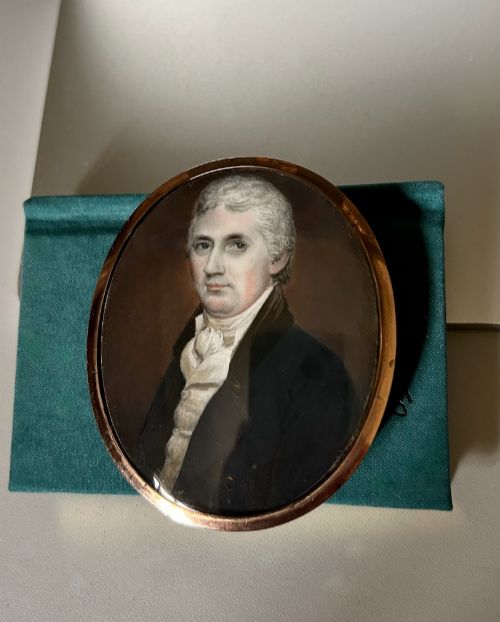
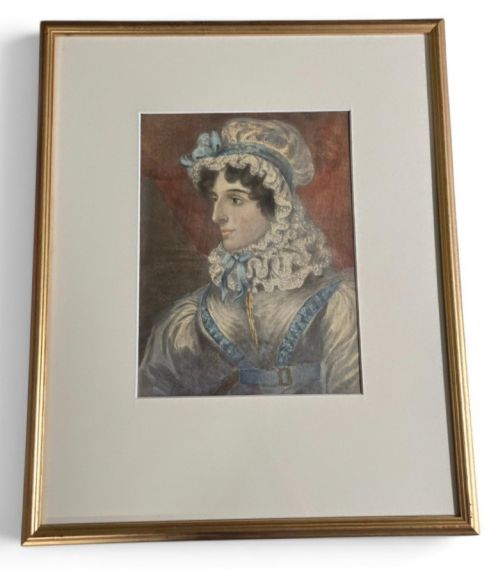
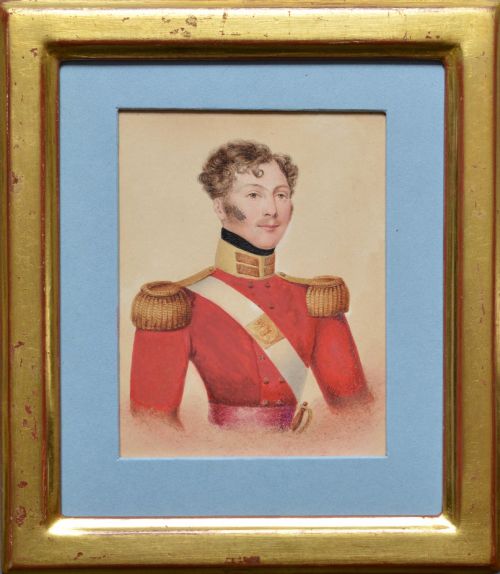
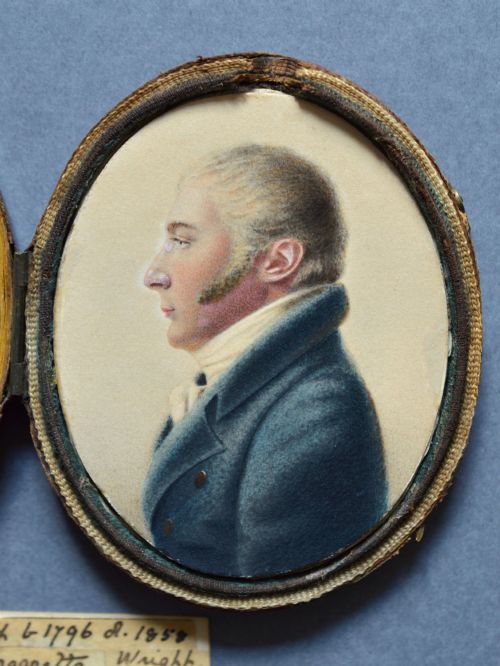
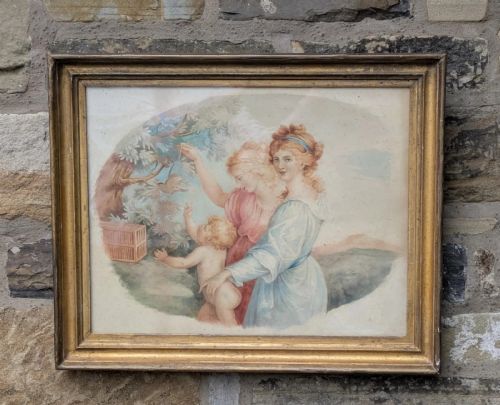
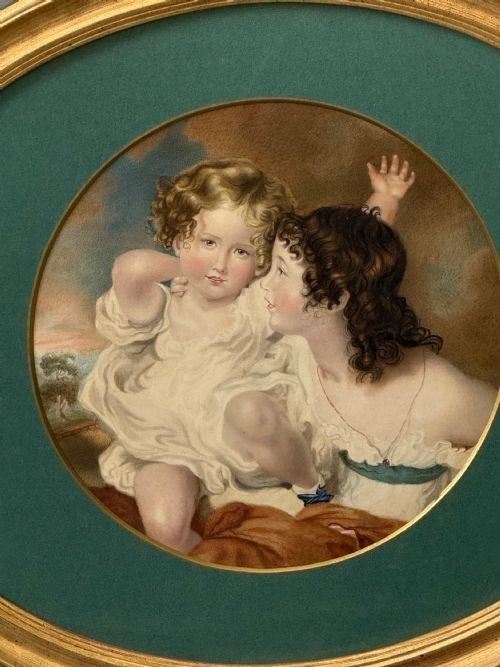
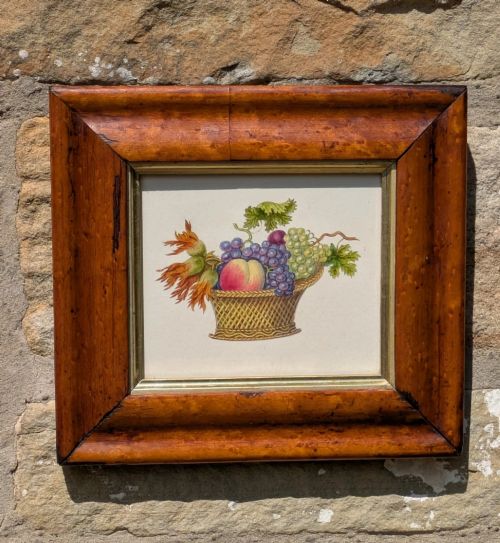
When you search for a regency watercolour painting, you look for works executed on paper during the Georgian, Regency, and early Victorian periods. These pieces include miniature portraits, botanical studies, classical scenes, and military depictions.
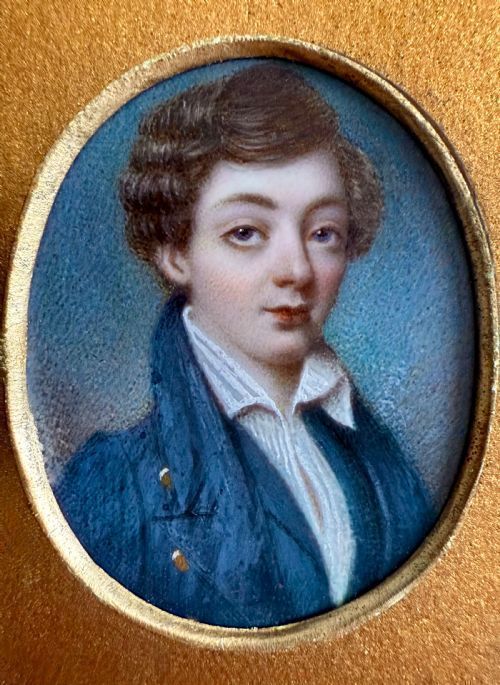
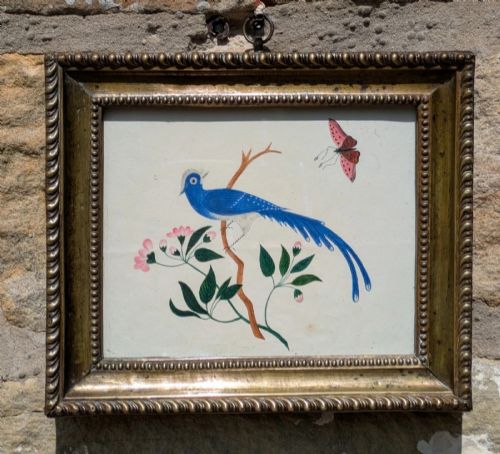
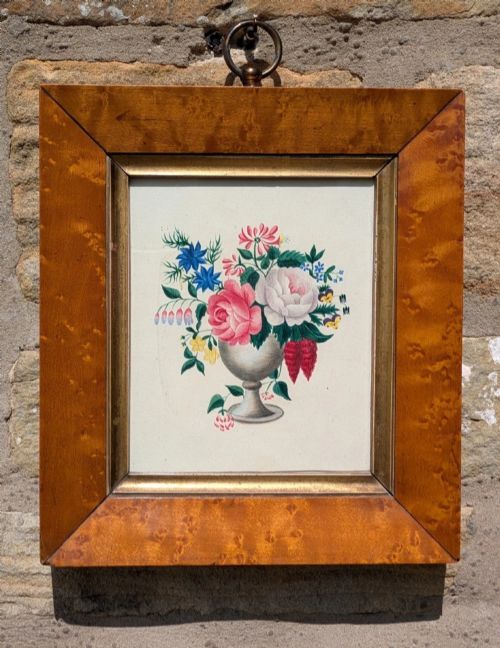
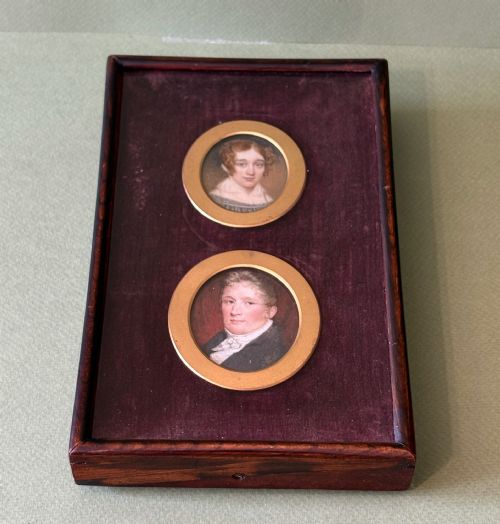
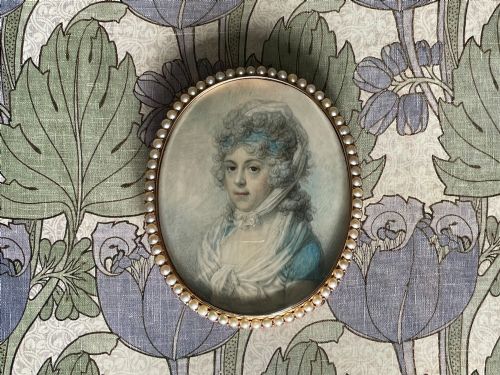
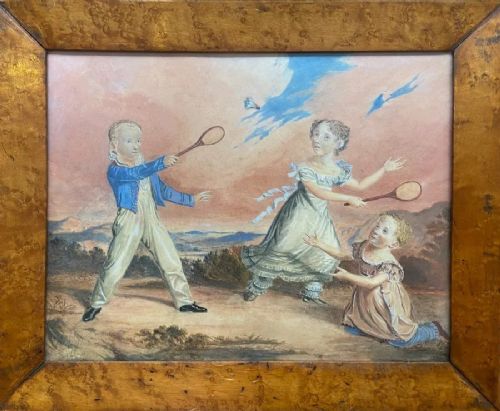
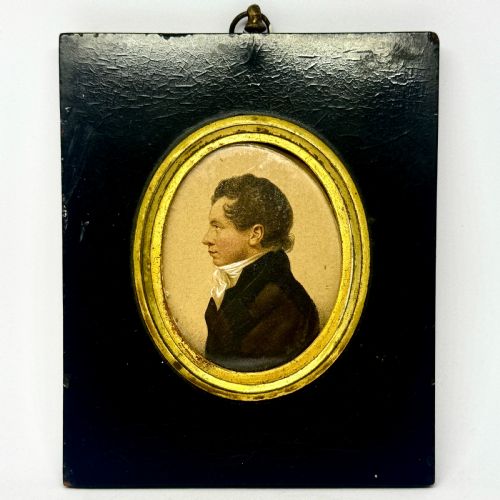
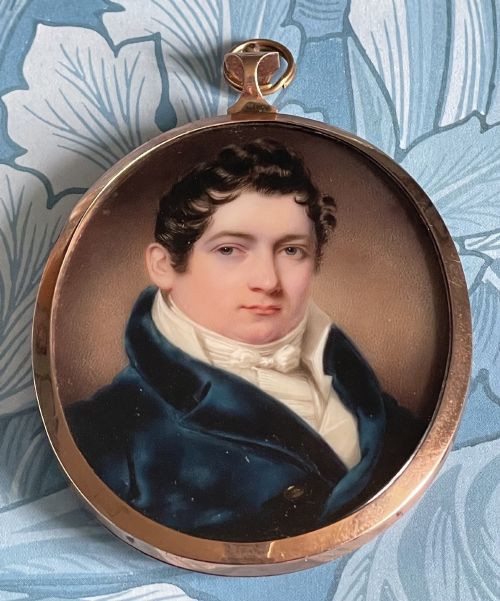
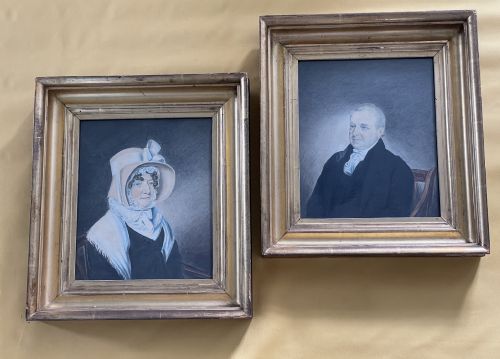
The most common form you will meet on this page is the intimate portrait miniature, often framed in ebonised wood or mounted with gilt metal and glass. Alongside portraits, collectors find still lifes, bird studies, and narrative genre paintings.
Originating predominantly from British and Anglo-Indian hands, these watercolours reflect the aesthetic priorities of the nineteenth century. They bridge the gap between grand oil painting and private, portable art.
How They Were Made
Artists painted primarily with watercolour pigments upon prepared paper, occasionally combining ink and silk embroidery to achieve texture and depth. Miniature portraits required fine brushes and immense precision to capture facial expressions on a small scale.
Framing materials played a crucial role in the presentation and preservation of these works. Makers housed them behind protective glass within ebonised wood frames, gilt wood moulding, or decorative gilt metal stands.
Listings feature watercolours spanning the Georgian, Regency, and Victorian periods, alongside silk embroidery and ink works.
What Varies in Quality
The distinction between ordinary and exceptional works rests upon the skill of the brushwork and the psychological depth of the subject. Master hands like Richard Cosway or Frederick Buck achieved lifelike luminosity that lesser contemporaries missed.
Condition and originality dictate the standing of a piece within the market. Intact pigment vibrancy, original paper supports, and period-correct ebonised or gilt frames elevate a painting far above examples that have suffered fading or later reframing.
Richard Cosway·John C D Engleheart·Frederick Buck·Nicolas Freese·Albin R Burt·William Egley·George Hargreaves
The Regency Watercolour Painting Glossary
- Watercolour
- A painting method in which the paints are made of pigments suspended in a water-based solution. It allows for translucent washes and delicate layering.
- Portrait Miniature
- A small, highly detailed painting, usually a portrait, executed on paper, vellum, or ivory. These portable items were often worn or kept in private spaces.
- Ebonised Wood
- Timber treated to resemble ebony, typically featuring a deep black finish. This material was frequently used for frames during the Regency period.
- Gilt Metal
- Base metal treated with a thin layer of gold or gold-coloured wash. It provided a durable and decorative border for miniature artwork stands.
- Neoclassical
- An artistic style drawing inspiration from the classical art and culture of ancient Greece and Rome. It heavily influenced Regency portraiture and classical scenes.
Regency Watercolour Painting: Frequently Asked Questions
How do I identify a genuine Regency watercolour painting?
Examine the paper stock, the pigment style, and the framing materials for period-appropriate characteristics typical of the early nineteenth century. Genuine examples often display hand-mixed watercolours on unwatermarked or early nineteenth-century paper.
Maker attributions and handwriting on the reverse, where present, help anchor the piece to specific Georgian or Regency timelines. Compare the handling of the subject against known works from the era to confirm authenticity.
Where were these watercolours displayed originally?
Miniature portraits and small paintings were typically kept in private sitting rooms, carried during travel, or worn on the person. Their intimate scale suited personal display rather than large public galleries.
Larger framed artworks found places on the panelled walls of country houses and town residences. They served as conversation pieces and memorials of family members.
How should I care for a nineteenth-century watercolour?
Protect the paper and pigments by keeping the artwork away from direct sunlight and high humidity. UV-filtering glass helps prevent the delicate watercolours from fading over time.
Maintain stable indoor temperatures to avoid warping the paper support and damaging the original wooden or gilt frames. Professional framing conservation ensures the longevity of these fragile items.
What subjects are most common in these paintings?
Portrait miniatures of officers, ladies, and children dominate the surviving corpus of work. Artists also recorded botanical specimens, exotic birds, and classical scenes.
Genre scenes depicting everyday life, military engagements, and children at play provide a window into nineteenth-century society. Each subject reflects the prevailing tastes of the Georgian and Regency periods.