
Antique Gentleman Painting
An antique gentleman painting captures historical likenesses on canvas, offering buyers a tangible connection to past eras through finely executed portraiture.
Antique Gentleman Painting
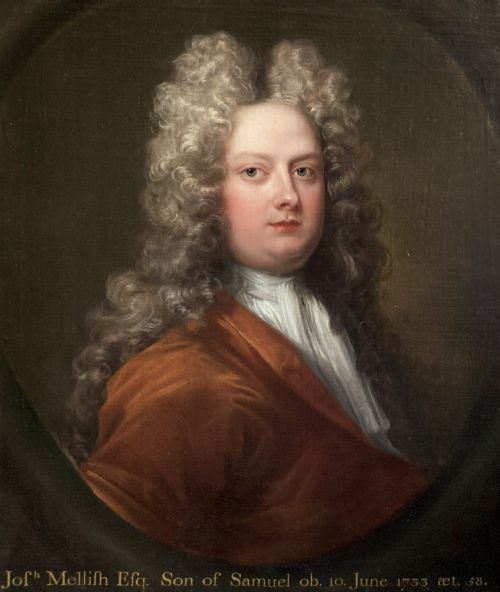
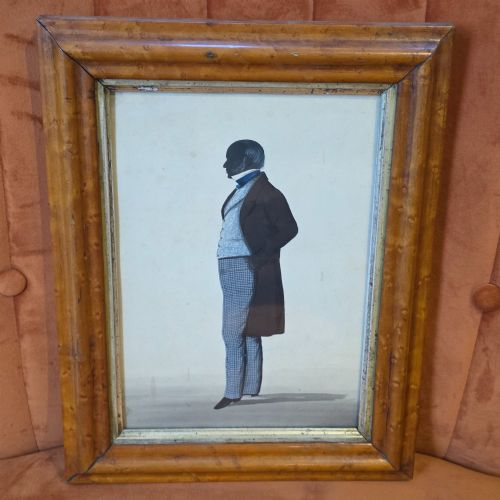
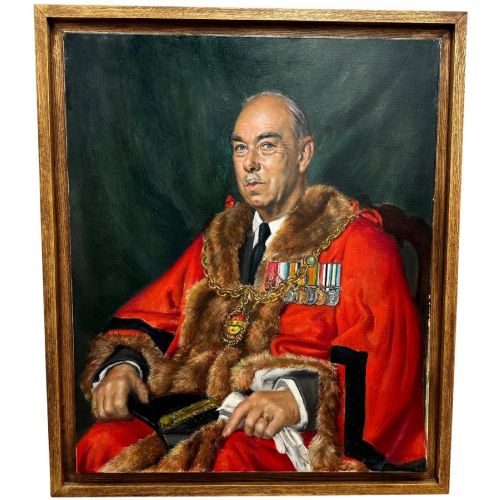
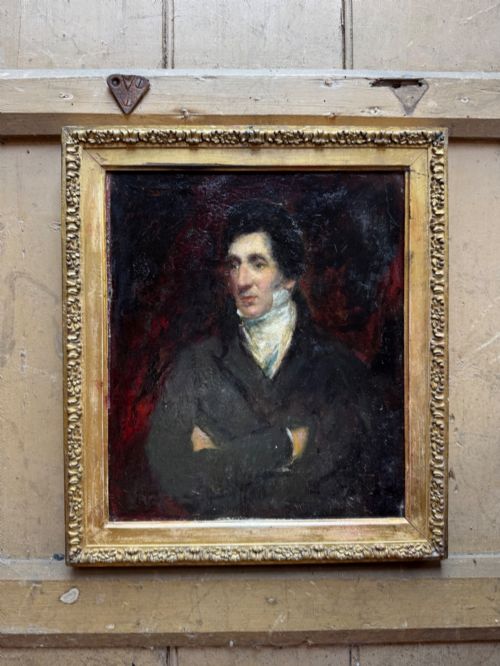
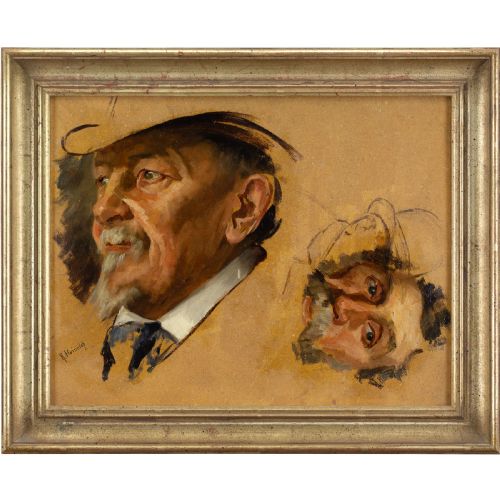
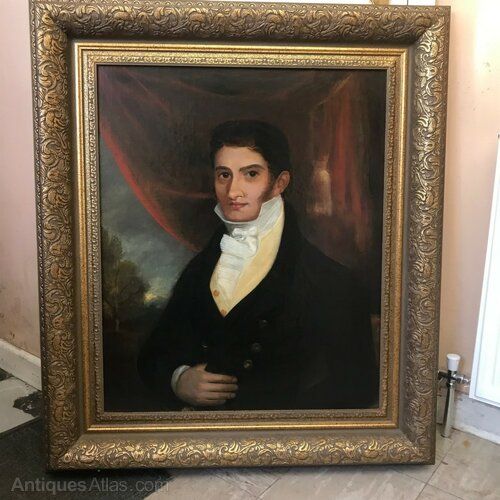
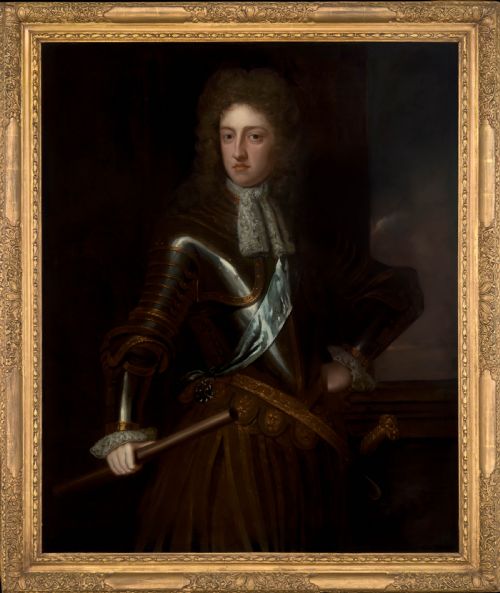
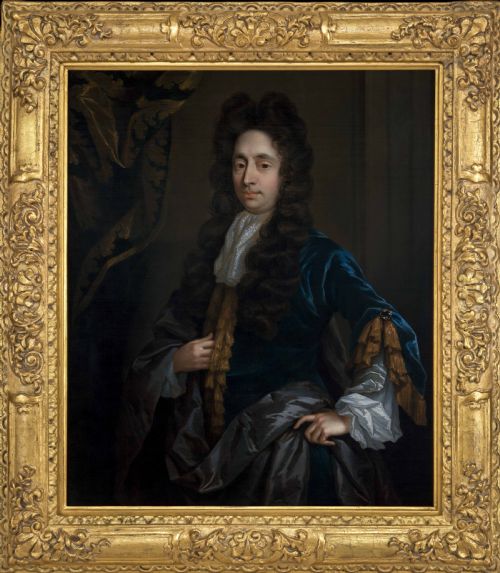
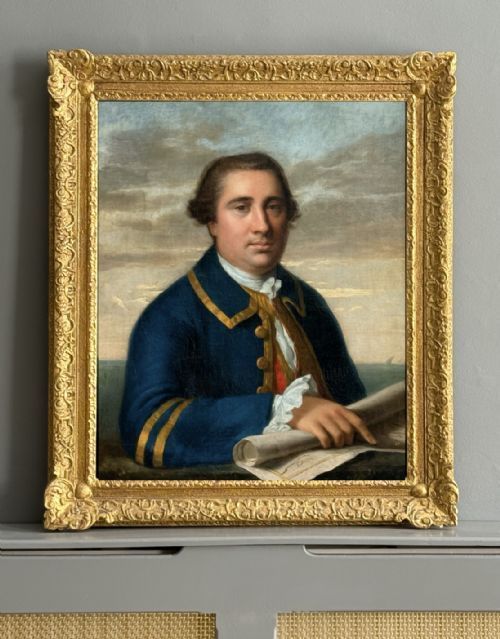
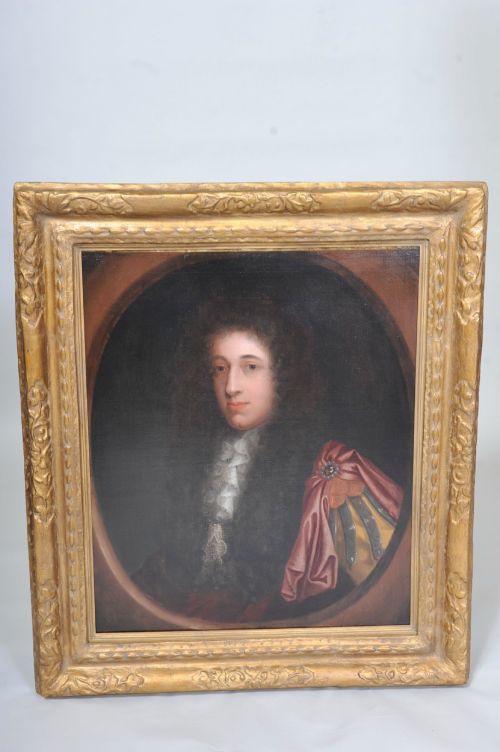
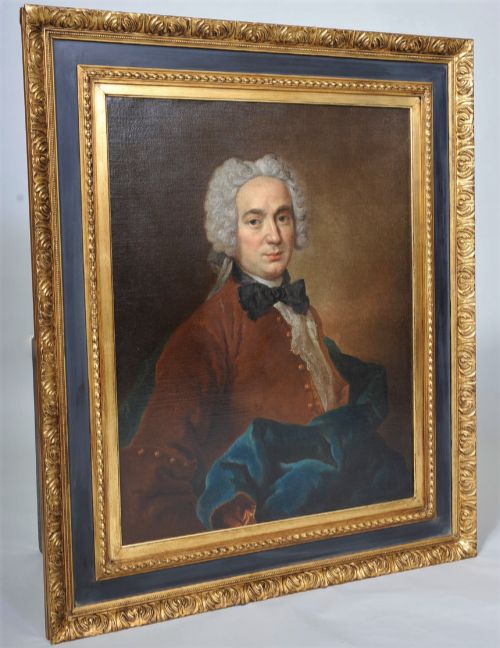
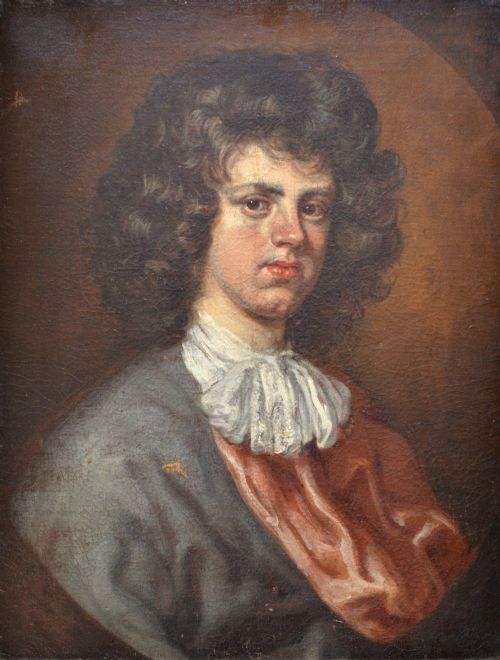
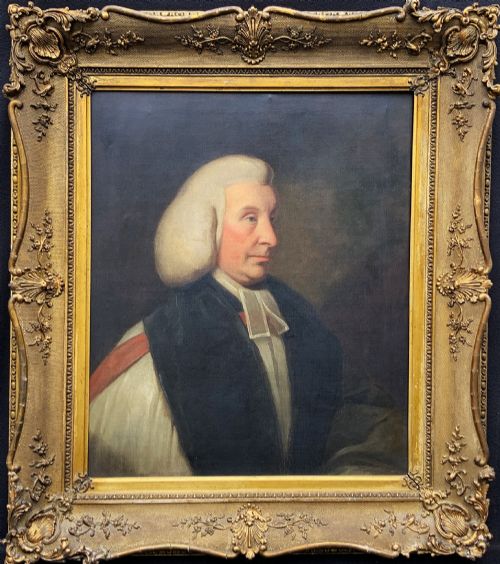
An antique gentleman painting typically depicts a named or anonymous male subject, ranging from nobility and military officers to merchants and scholars. These works span the seventeenth, eighteenth, and nineteenth centuries, reflecting evolving societal roles and portraiture conventions.
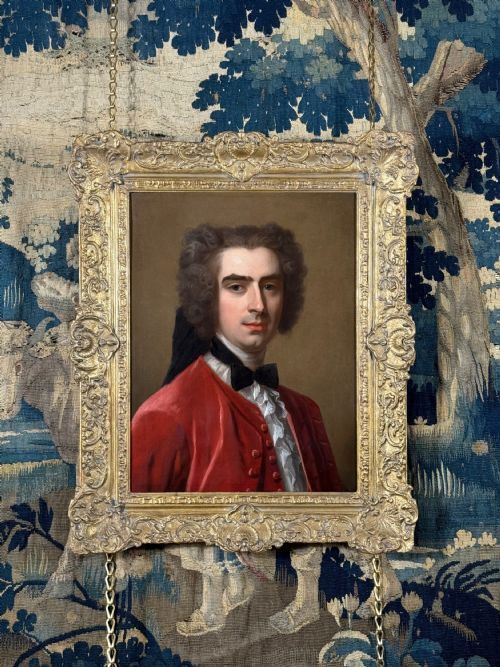
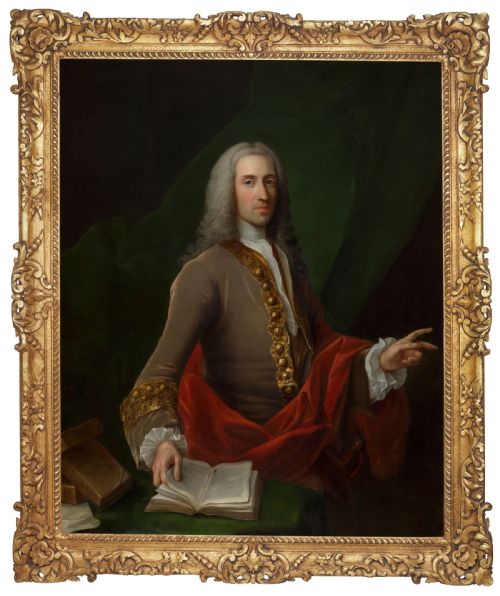
Buyers frequently encounter oil on canvas works, alongside watercolours, board paintings, and delicate portrait miniatures. Subjects often appear in formal attire, such as periwigs, red coats, armour, or academic robes, occasionally accompanied by symbolic objects like books, letters, or walking canes.
How They Were Made
Artists primarily applied oil paint to stretched canvas or wooden panels, building rich textures and deep tones for garments and backgrounds. Guild and studio traditions ensured skilled preparation of supports, often framed in carved giltwood.
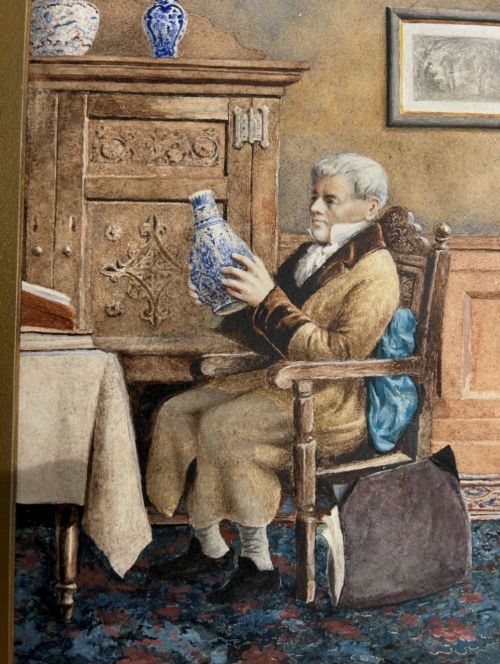
Several gentlemen appear accompanied by unexpected companions, including pet dogs, walking sticks, and even a blue vase.
What Varies in Quality
The preservation of the original paint surface and the integrity of the canvas or panel strongly influence the overall standard. Contemporary or period-correct giltwood frames also contribute significantly to the historical completeness of the piece.
Charles Jervas·Jean-Baptiste Van Loo·Sir Godfrey Kneller·Constantyn Netscher·Lemuel Francis Abbott·Sir Joshua Reynolds·Edouard Pingret
The Antique Gentleman Painting Glossary
- Oil on canvas
- Pigments suspended in a drying oil applied to a woven fabric support. This combination allowed artists to blend subtle shadows and rich surface textures.
- Portrait miniature
- A small-scale painting executed with meticulous detail on vellum, ivory, or card. These intimate works were often housed in protective brooches or lockets.
- Giltwood
- Wood carved and coated with a thin layer of gold leaf. Such frames frequently accompanied formal portraits to enhance their visual weight.
- Periwig
- A voluminous artificial hairstyle popular among elite men during the seventeenth and early eighteenth centuries. Its inclusion often helps date a portrait securely.
- Studio of
- A term indicating a work produced by assistants or pupils under the supervision of a master painter. These pieces frequently replicate successful compositions.
Antique Gentleman Painting: Frequently Asked Questions
How do I date a gentleman portrait?
Clothing, hairstyles, and framing styles offer the clearest chronological markers for historical portraits. Examining specific garments like periwigs, cravats, or military uniforms usually narrows the execution down to a specific decade.
Secondary clues include the stretcher construction, canvas type, and any inscriptions or labels affixed to the reverse of the frame. Comparing stylistic brushwork to known studio hands further clarifies the period.
Were these paintings always commissioned?
Most formal portraits were commissioned by the sitters themselves, their families, or institutions to commemorate status, public office, or military achievement. Wealthy patrons routinely hired established artists or workshop circles to record their likenesses.
Some smaller works or school pieces were produced speculatively as character studies or illustrative types. These non-commissioned examples often depict anonymous subjects or historical figures in theatrical dress.
Where should I hang an oil portrait?
Traditional oil paintings thrive in stable environments away from direct sunlight and excessive humidity. Placing them on interior walls protects the canvas and the giltwood frame from radical temperature swings.
Proper lighting enhances the dark varnishes and subtle tones characteristic of early portraiture. Wall placement should also consider the sightline so the subject appears at a natural viewing height.
What does attribution to a school mean?
An attribution to a specific regional school indicates that a painting originated from a particular country or artistic circle without being definitively signed by a master. Terms like Anglo-Dutch or French School help classify shared technical traits and stylistic conventions.
Circle or follower designations similarly link unsigned works to the sphere of a recognised painter. This phrasing acknowledges the workshop methods common in historical portrait production.