




Nineteenth Century Portraiture
Nineteenth century portraiture captures the individual likeness and social standing of past subjects through traditional oil painting techniques.
Nineteenth Century Portraiture
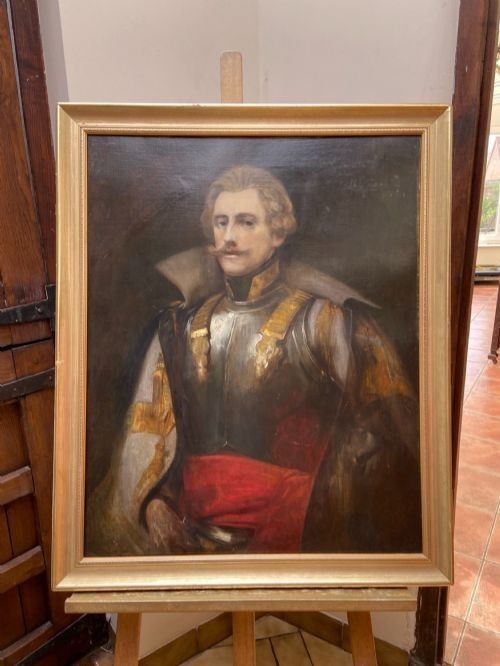
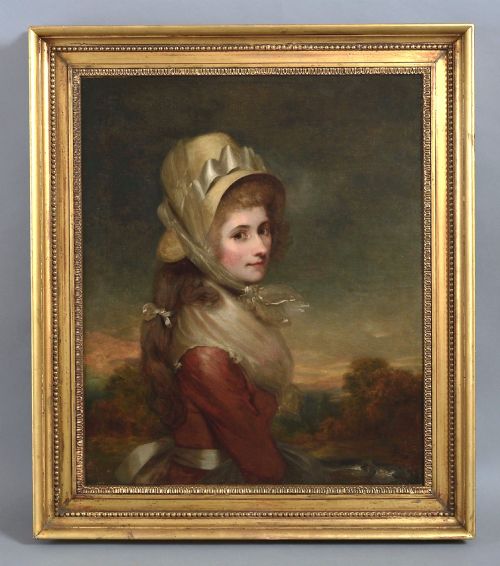
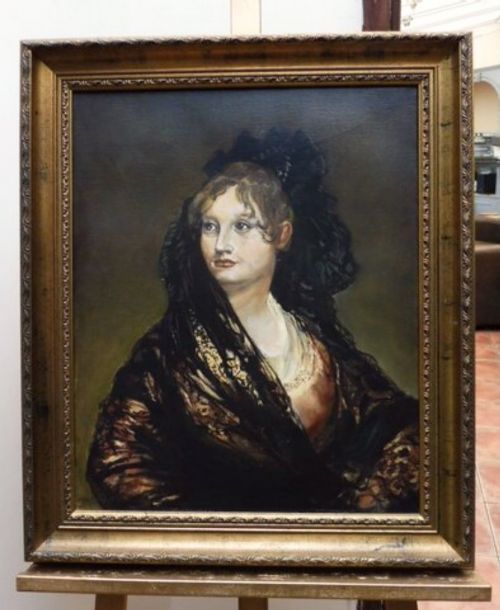
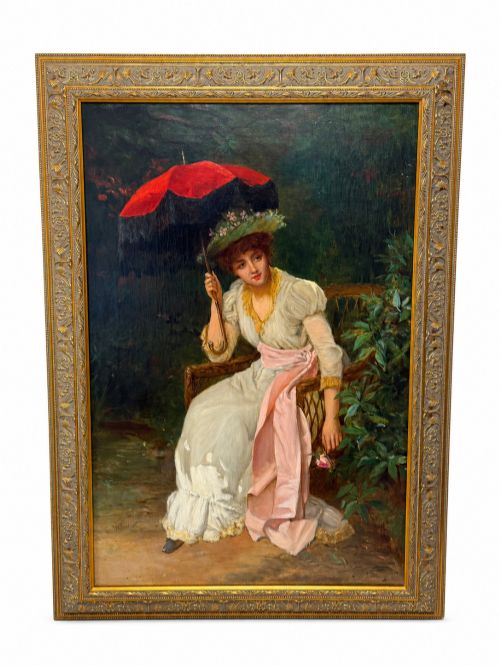
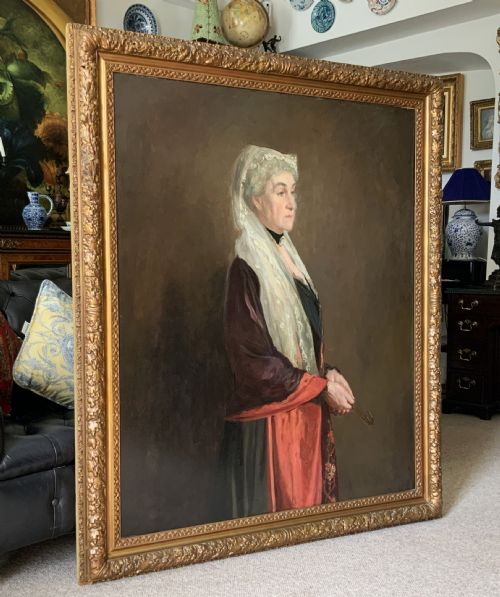
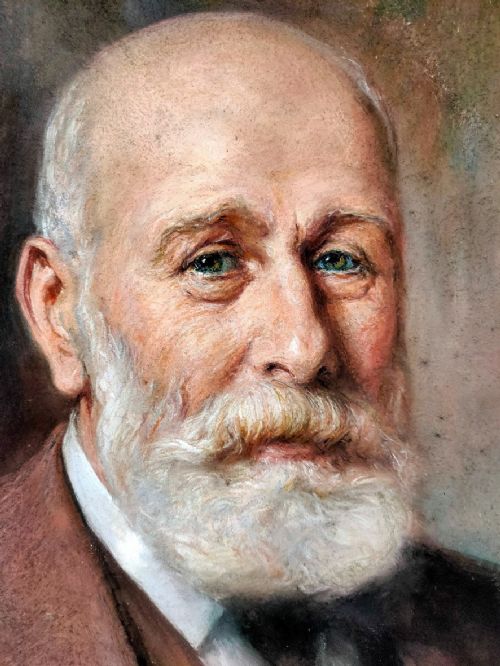
Nineteenth century portraiture encompasses oil paintings on canvas depicting military officers, ladies, gentlemen and children from various European schools. These works range from formal British Victorian commissions to continental studies and later copies after established masters.
The most common pieces met on this page are oil paintings on canvas framed in giltwood or gilded wood. Subjects span from specific named sitters and clergy to anonymous figures captured in realist or romantic styles.
Materials and technique
These works are executed in oil paint applied to woven canvas supports, utilising traditional layering and blending techniques. Pigments build up depth in clothing, skin tones and backgrounds to create realistic likenesses.
Frames are constructed from wood and finished with gold leaf or gilt, providing decorative borders that complement the oil paintings. Many frames show the patination and distress accumulated over decades.
Listings feature oil paintings on canvas spanning the eighteenth century through to the twentieth century, including Edwardian works and pieces from nineteen twenty.
Distinctions in quality
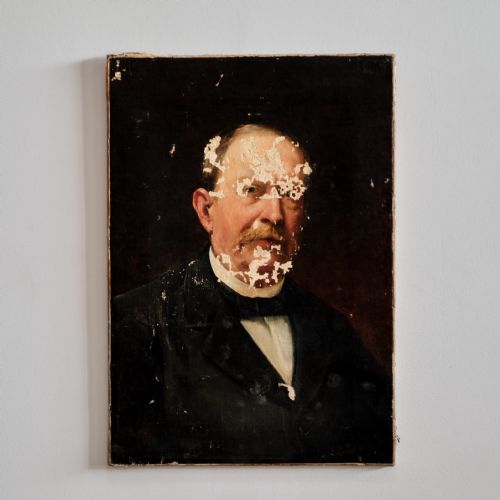
Condition of the canvas and original paint layer influences the integrity of the piece, alongside the quality of the accompanying giltwood frame. Signed works or those attributed to documented artists carry distinct historical weight compared to anonymous school pieces.
Sir Martin Archer Shee·Francisco Jose de Goya y Lucientes·William Oliver·Sir Thomas Lawrence·Charlotte Blakeney Ward·William Jacob Baer
The Nineteenth Century Portraiture Glossary
- Oil on Canvas
- A painting medium where pigments are suspended in a drying oil, applied to a stretched fabric support. This combination allows for rich colour blending and durability.
- Giltwood
- Wood carved and coated with gold leaf or metallic powder to create a bright, reflective surface. It is commonly found on traditional picture frames from this era.
- Attributed to
- A term used when a work is judged to be by a particular artist based on stylistic evidence, though without definitive documentation. It reflects expert opinion on the likely hand behind the brushwork.
Nineteenth Century Portraiture: Frequently Asked Questions
How do I care for an oil portrait?
Keep oil paintings away from direct sunlight and fluctuating humidity to protect the canvas and paint layers. Dust gently with a soft, dry brush without using liquid cleaners.
Ensure the frame is securely hung using appropriate fixings for the weight of the wood and plaster elements.
What does after an artist mean?
This indicates that the painting is a later copy or reproduction of a well-known work by the named master. Artists often painted these copies for study or to supply popular imagery.
Such works reflect the enduring appeal of the original composition while bearing the hand of a different painter.
How are periods identified?
Periods are determined by stylistic elements in the clothing, hair styling, frame design and painting technique. Sitters' attire often provides the clearest clue to the exact decade of creation.
Signatures, inscriptions on the reverse of the canvas and framing methods also help establish the date.
Where were these portraits displayed?
Original portraits hung in formal reception rooms, libraries and galleries of country houses and town residences. They served to record family lineages and social status.
Today, these works suit domestic interiors ranging from traditional studies to contemporary living spaces.