



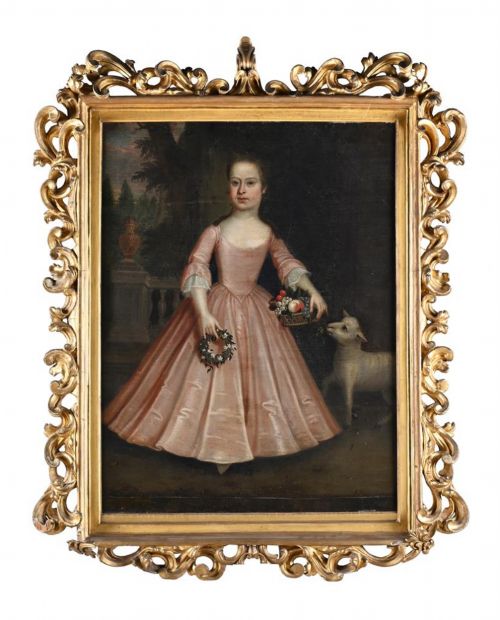


Georgian Child Portrait Oil
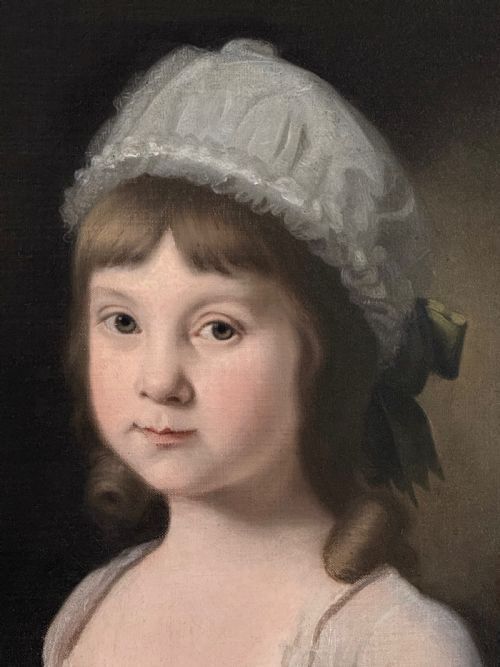
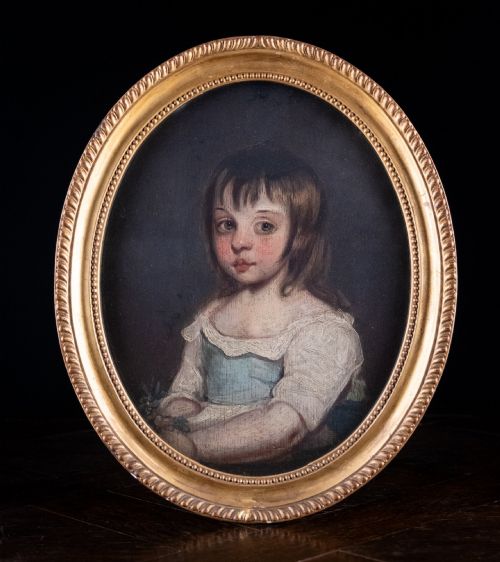
A georgian child portrait oil captures youthful sitters through centuries-old oil paint and canvas, offering collectors an intimate glimpse into historical British family life.
Georgian Child Portrait Oil
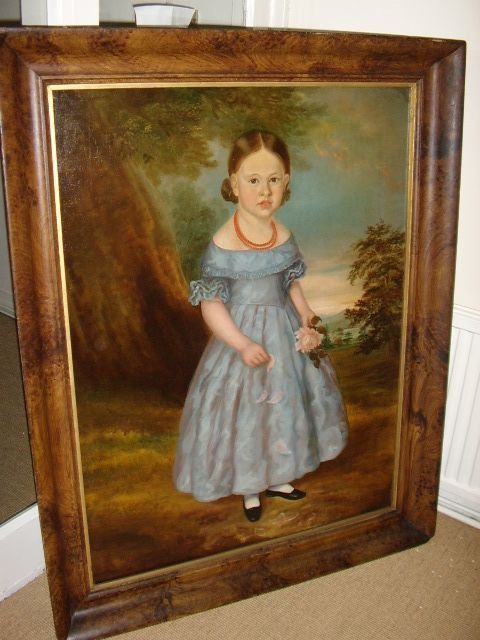
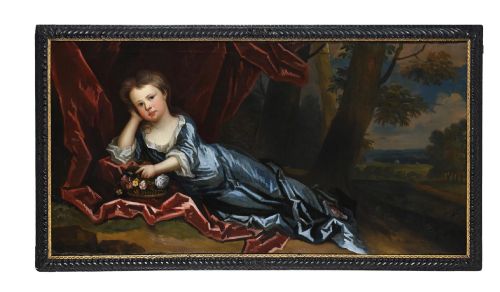
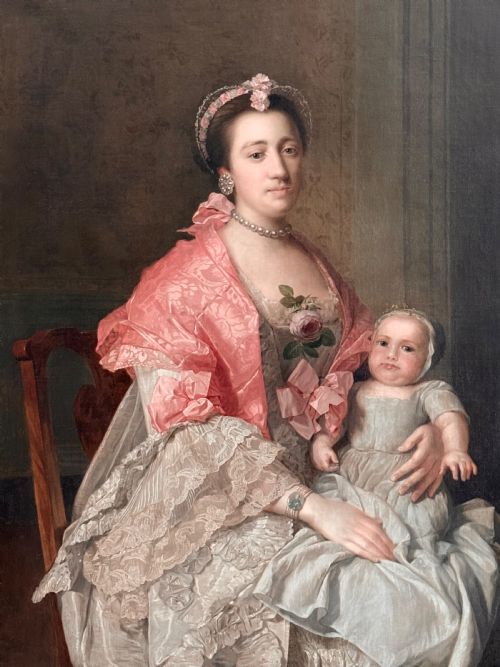
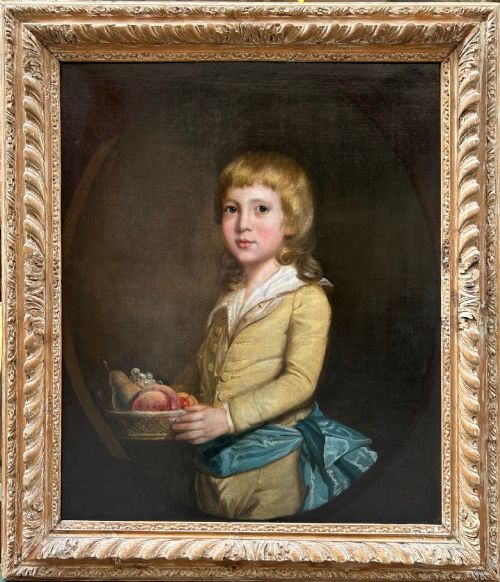
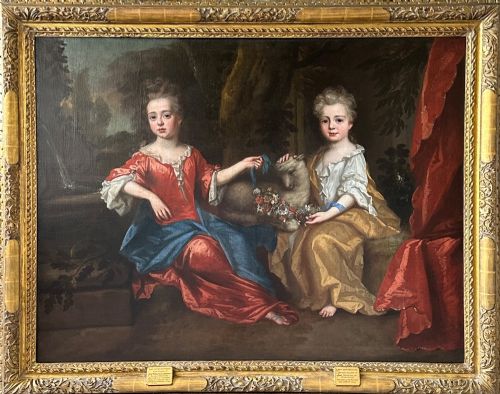
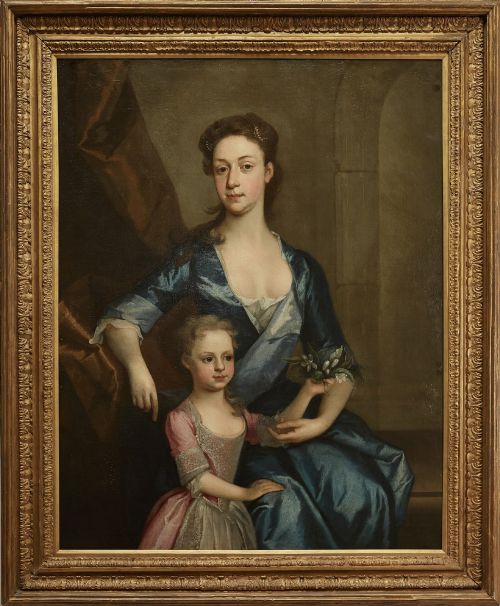
When seeking a georgian child portrait oil, a buyer encounters formal aristocratic commissions alongside simpler regional studies of young sitters. The selections span the eighteenth and early nineteenth centuries, recording children with pets, toys, or familial figures.
Most examples originate from the British School or regional workshops, capturing subjects from infancy through adolescence. These canvases document historical clothing, domestic interiors, and childhood pastimes in remarkable detail.
Compositions range from single full-length depictions of boys and girls to group studies of siblings seated at tables or within architectural landscapes. The sitters frequently hold symbolic items such as fruit baskets, books, or animals.
Materials and Techniques
Painters of this era applied oil paint directly onto stretched canvas or wooden board, building up rich layers of pigment to render fabric textures and skin tones. The physical support typically consists of woven canvas secured to a timber stretcher.
Many surviving canvases retain their original giltwood or gilt wood frames, which complement the dark varnishes and muted palettes characteristic of the period. Pigments were mixed by hand using natural earths and minerals, bound in drying oils.
Listings feature works in oil on canvas and oil on board, dated predominantly from the eighteenth and nineteenth centuries.
Assessing Artistic Merit
Condition plays a major role, particularly the stability of the paint layer and the presence of early canvas linings. Works retaining their untouched surface texture and period frames command greater interest than those with extensive modern overpainting.
Sir Joshua Reynolds·Sir Allan Ramsay·Sir Thomas Lawrence·Michael Dahl·Joseph Highmore·Arthur William Devis·Philip Mercier·George Knapton·John Russell·Thomas Gibson·Charles D'Agar·James Maubert·Robert Byng·Edward Bird·Francis Alleyne·William Egley·George Morland
The Georgian Child Portrait Oil Glossary
- Giltwood
- Timber carved and coated with a thin layer of gold leaf or metallic powder. This material defined the ornate frames housing formal portraits.
- British School
- A designation for paintings executed by artists working in Britain without necessarily belonging to a specific academy. It groups together regional painters and anonymous hands.
- Naive Art
- A stylistic category denoting paintings created outside the formal academic tradition. These works feature charming perspective errors and direct, unpretentious execution.
- Regency
- The historical period spanning the early nineteenth century, associated with distinct stylistic developments in British portraiture and framing. Art from this era often shows lighter palettes and softer lighting.
- Canvas
- The heavy woven fabric stretched across a wooden frame to serve as a painting surface. Hemp and linen were common choices for eighteenth-century works.
Georgian Child Portrait Oil: Frequently Asked Questions
How do I identify a Georgian portrait?
Look closely at the costume, hairstyle, and stretcher construction. Sitters wear period-specific garments such as smocks, blue coats, or high-waisted dresses.
Examination of the canvas weave and underlying wood often confirms an eighteenth or early nineteenth-century origin.
What is naive folk art?
Naive art refers to paintings made by self-taught or provincial artists who worked outside strict academic rules. These pieces prioritize direct storytelling over accurate anatomical proportion.
They offer a sincere, unvarnished look at historical childhood.
Why do some children hold animals?
Animals in historical portraits often served as symbolic companions or displayed the family's wealth and status. Dogs denoted loyalty, while birds and deer represented gentleness.
Including a pet also kept young sitters occupied during lengthy painting sessions.
How should I care for oil paintings?
Keep paintings away from direct sunlight, high humidity, and rapid temperature fluctuations to protect the delicate oil pigments. Avoid touching the painted surface directly with bare hands.
Dust the canvas gently with a soft, dry brush only when necessary.