





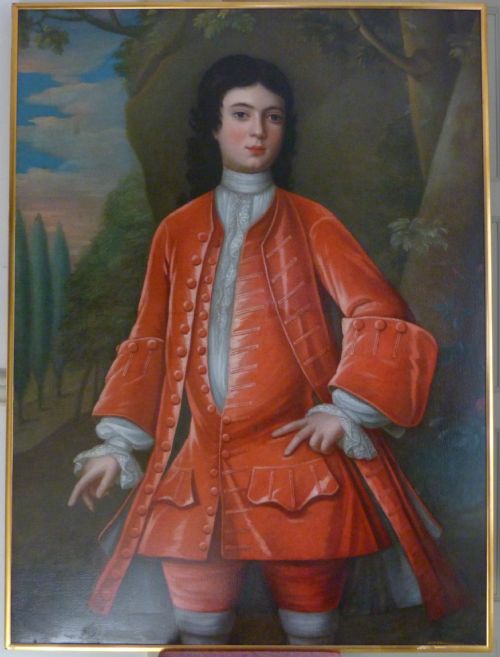

Red Boy Painting
A red boy painting captures the enduring appeal of juvenile portraiture, offering a glimpse into past centuries through juvenile subjects rendered in crimson attire.
Red Boy Painting
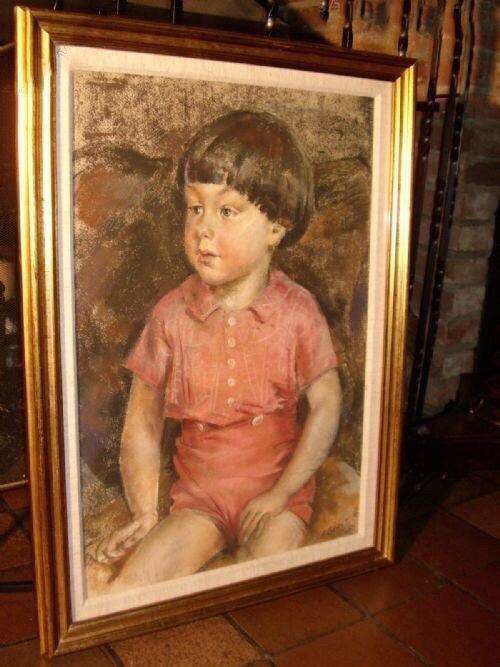
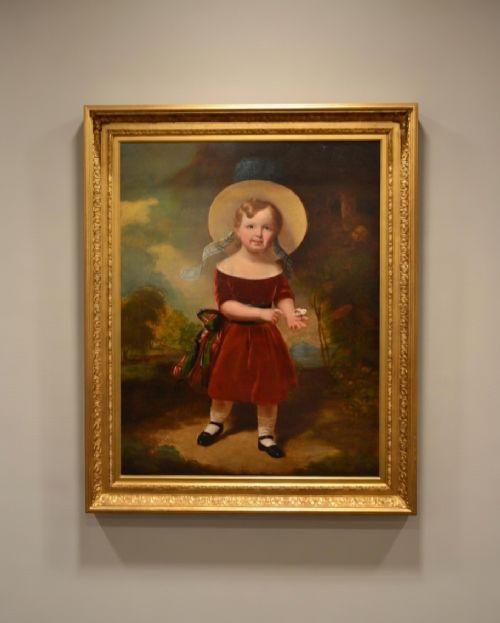
A red boy painting encompasses historical portraits and prints depicting young males dressed in red jackets or garments. These works span from the 18th century through the mid-20th century, capturing subjects in oils, pastels, and gouache.
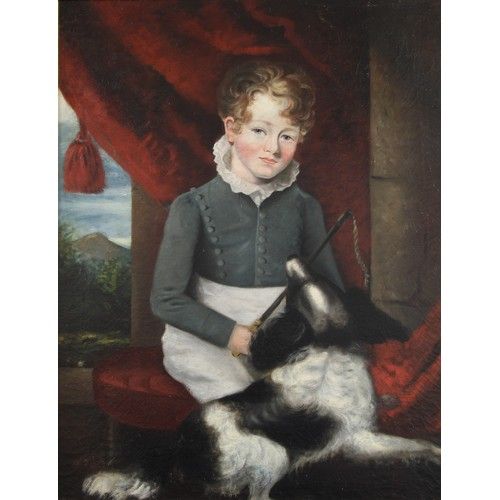
Buyers encountering this search phrase frequently meet 18th and 19th-century oil on canvas portraits, alongside later print reproductions after prominent artists like Sir Thomas Lawrence. The compositions range from formal oils by followers of portraitists such as John Verelst to mid-century modernist interpretations.
Subject matter in a red boy painting often extends beyond solitary figures to include narrative elements like reading, holding maps, or interacting with animals. The red jacket serves as a striking focal point, drawing the eye through centuries of stylistic evolution.
Materials and technique
Canvas and paper provide the primary supports for these portraits, painted with oil or pastel mediums. Artists employed oil paint on stretched canvas to build rich layers of colour, while pastels and gouache on paper delivered a softer texture.
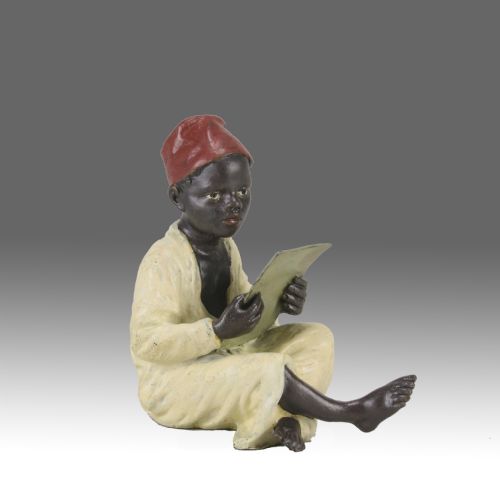
Giltwood frames frequently house these works, complementing the warm tones of the pigments. Cold-painted bronze also appears in three-dimensional representations of youths, demonstrating diverse applications of colour and material across the periods.
One young boy is immortalised alongside his map jigsaw puzzle.
What separates the finest works
Execution of the subject's expression and hand placement distinguishes superior examples from standard workshop productions. Master portraitists achieved a lifelike presence in the eyes and skin tones that lesser hands missed.
The handling of fabric, particularly the distinctive red garments, dictates the visual impact of the piece. Subtle gradations in the crimson pigments and confident brushwork indicate an artist of significant ability.
Franz Bergman·John Arthur Lomax·Arthur Pond·Sir Thomas Lawrence·Henry Scott·Élisabeth Louise Vigée Le Brun·John Russell·John Verelst
The Red Boy Painting Glossary
- Oil on canvas
- Pigments bound in drying oil applied to a woven fabric support. This combination allowed artists to blend tones smoothly and achieve deep luminosity.
- Pastel
- A medium consisting of powdered pigment and a binder rolled into sticks. It produces a velvety surface that requires protection under glass.
- Cold-painted bronze
- Metal sculpture decorated with paint that is not fired in a kiln. This technique was popular in Austrian foundries during the late 19th and early 20th centuries.
- Gouache
- An opaque water-based paint mixed with a white pigment. It creates a flat, matte finish often utilised in portrait studies on paper.
- Circle of
- A designation indicating the work was produced by an artist closely associated with a master, sharing a similar style and period.
Red Boy Painting: Frequently Asked Questions
What is a red boy painting?
A red boy painting refers to historical artworks depicting a young boy wearing a prominent red garment. These pieces range from 18th-century canvas portraits to later prints.
Many of these works draw inspiration from famous portraits, such as Sir Thomas Lawrence's depiction of Master Charles William Lambton. The red jacket provides a striking visual anchor within the composition.
How should I hang a red boy painting?
These portraits suit traditional living spaces, studies, or hallways where portraiture has a natural home. Pairing them with period wooden furniture enhances their historic character.
Keep oil paintings and pastels away from direct sunlight to protect the pigments. Ensure works on paper remain behind protective glass with suitable framing.
How do I date a red boy painting?
Dating relies on examining the canvas preparation, pigment types, and framing style alongside any signatures or inscriptions. Costume details such as collars and jacket cuts also offer clues to the era.
Works from the 18th century often feature different canvas weaves and priming methods compared to Victorian or mid-century examples. Archival records and artist attributions help narrow the timeframe.
Are all red boy paintings original?
Not all items are unique oil paintings, as the category includes period prints, pastels, and gouache works. Reproductions such as Medici prints also appear alongside original 18th and 19th-century canvases.
Checking the medium listed helps distinguish between a hand-painted oil work and a framed print or mixed media piece. Each format offers a distinct way to collect the subject.