






English Regency Fine Art
English regency fine art captures portraiture and narrative scenes from the early nineteenth century through skilled brushwork and measured compositions.
English Regency Fine Art
When buyers search for english regency fine art, they encounter oil paintings on canvas and panel alongside watercolour works on paper. These pieces predominantly date from the nineteenth century, including works from the Georgian and Regency periods.
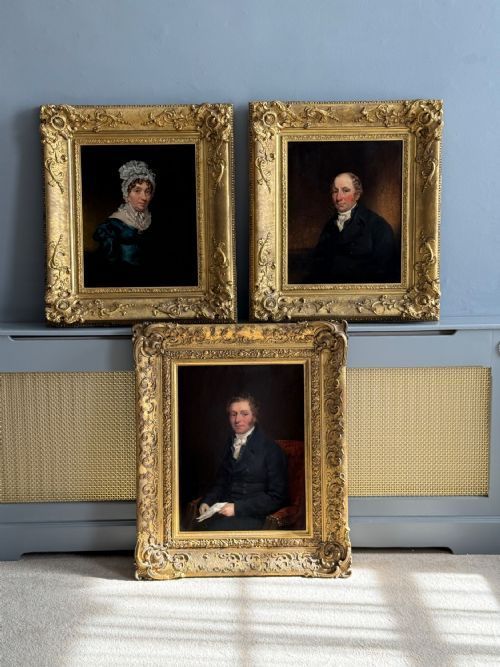
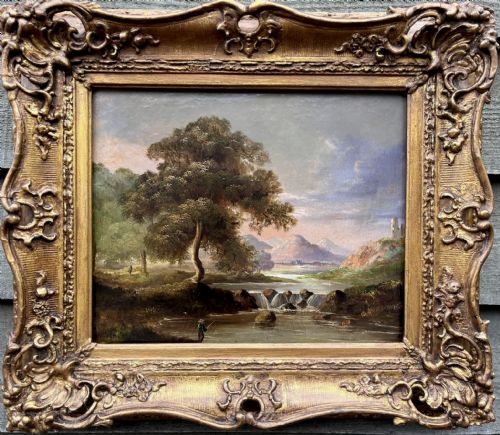
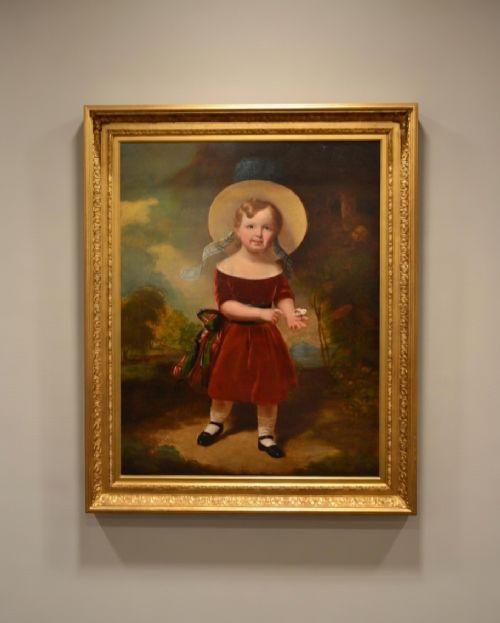
The subjects on this page lean heavily towards portrait paintings depicting notable individuals, children, and domestic figures, alongside occasional landscape works and interior scenes. Works range from attributed studio pieces and named artists to examples from the broader English school.
Buyers meet both intimate panel portraits and larger canvas formats representing the visual culture of the era. The selection documents sitters ranging from physicians and novelists to family groups and gentlemen in interior settings.
Materials and Construction
Artists of the period applied oil paint to stretched canvas or wooden panels, building up rich tones and textures to render fabrics, skin, and backgrounds. Watercolour and pencil on paper were similarly utilised for detailed portraiture and studies.
Many of these works are housed in period frames constructed from wood, gesso, and giltwood, which complement the visual depth of the paintings themselves. The combination of traditional canvas preparation and layered oil pigments accounts for the endurance of these works.
One recorded domestic scene depicts a gentleman's morning shaving ritual abruptly interrupted by his watchful wife.
Markers of Quality
Quality in these works rests upon the precision of the draughtsmanship and the psychological depth captured in the sitter's expression or the rendering of the interior space. Works by established royal academicians demonstrate superior handling of light and anatomical proportion compared to anonymous school pieces.
The condition of the canvas surface, the stability of the original oil or watercolour media, and the presence of period-appropriate framing elements further distinguish individual pieces across the range.
Sir William Beechey·Joseph Clover·Sir Thomas Lawrence·Rolinda Sharples·George Hayter·James Ward·William Owen·George Perfect Harding·Henry Scott·Stephen Taylor·George Clint·George Henry Harlow
The English Regency Fine Art Glossary
- Oil on Canvas
- Pigments bound in a drying oil applied to a woven fabric support. This was the primary medium for substantial portraits and narrative paintings during the period.
- Watercolour
- A paint consisting of transparent colour suspended in a water-soluble binder, used here on paper for detailed and delicate portrait studies.
- Giltwood
- Wood carved and surfaced with gold leaf, frequently forming the ornate frames that enclose paintings of this era.
- Panel
- A flat wooden board used as a rigid support for oil painting, common in smaller scale portraits.
- Gesso
- A paint mixture consisting of a neutral binder mixed with chalk, gypsum, or pigment, used to prepare wood or canvas surfaces and to model frame details.
English Regency Fine Art: Frequently Asked Questions
What subjects appear in english regency fine art?
The selections feature a high proportion of oil portrait paintings depicting named individuals, families, and literary figures. Domestic interiors and landscape scenes also appear among the works.
These pieces reflect the social documentation typical of the period, recording the likenesses and surroundings of figures from the era.
How do these paintings date within the period?
Dates span the late eighteenth century through the early nineteenth century, encompassing Georgian, Regency, and William IV eras. Many works carry specific artist lifespans or creation dates in their attribution.
Stylistic conventions and costume details in the portraits further help to place each work within its exact decade.
What support materials were standard?
Canvas and wood panel served as the primary supports for oil paintings, while paper was utilised for works executed in watercolour and pencil. These traditional supports were prepared specifically to receive the media.
Surviving works often retain their original relationship between the painted surface and the wooden stretcher or panel.
How should these artworks be displayed?
These pieces suit traditional interior settings, particularly spaces that accommodate historical portraiture and framed wall art. Proper placement avoids direct sunlight to protect sensitive oil pigments and paper supports.
Pairing the works with period-appropriate furniture enhances the historical context of the room.