




Black Coat Portrait
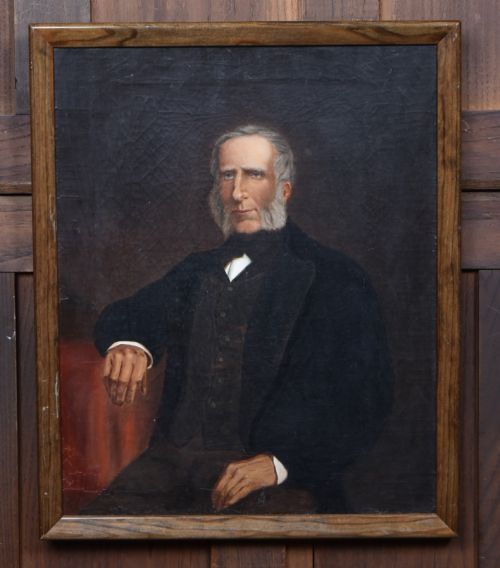
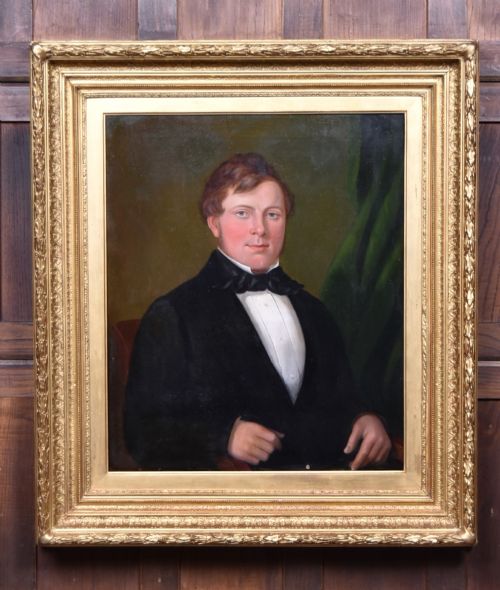
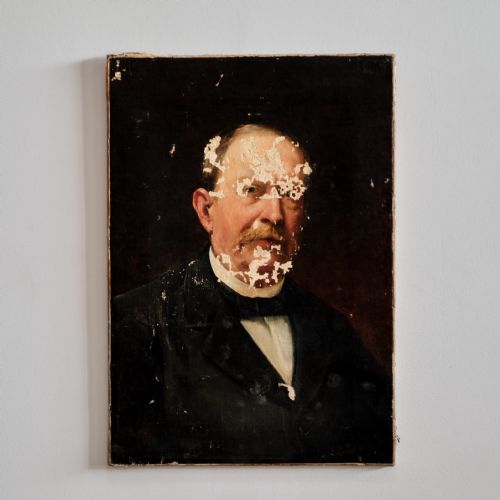
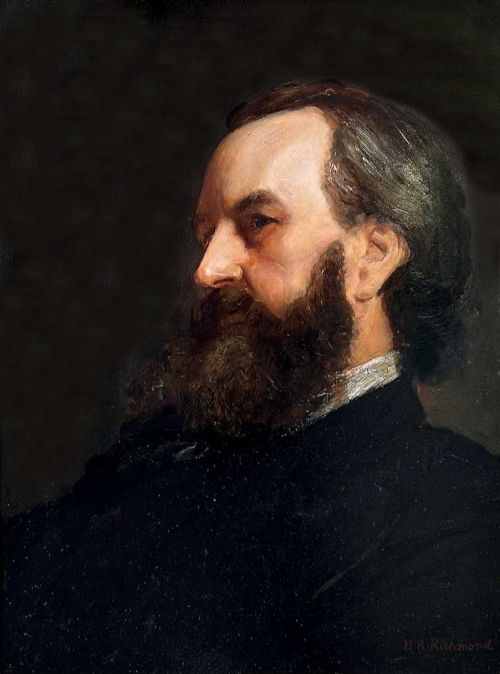
A black coat portrait captures the quiet gravity of a sitter clad in dark attire, offering an immediate window into past character.
Black Coat Portrait
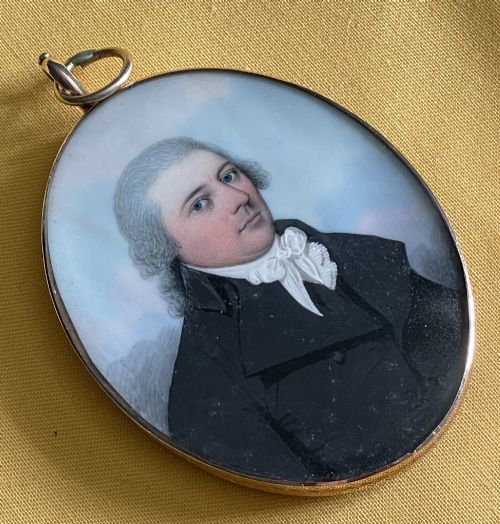
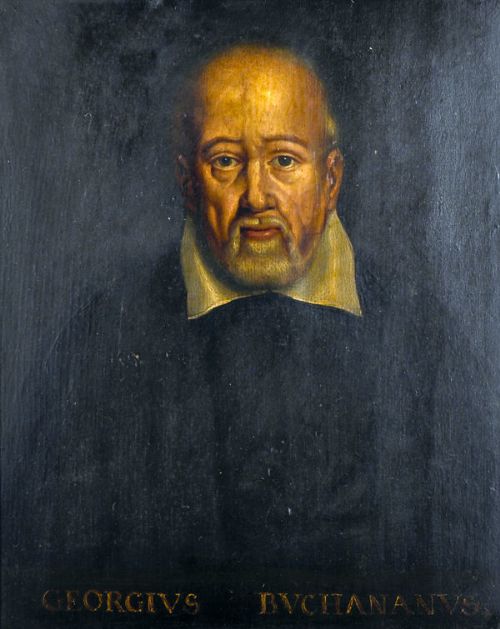
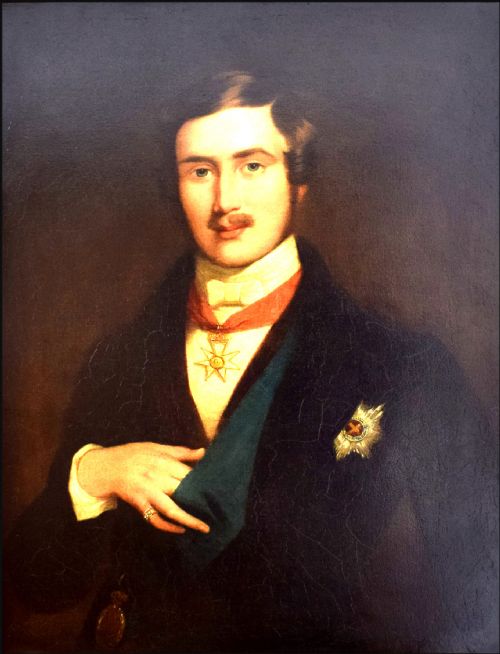
A black coat portrait focuses on subjects rendered in dark garments, spanning centuries from the Northern Renaissance through the Victorian era. These works capture gentlemen, clergymen, and statesmen against subdued backgrounds, emphasising facial expression and posture over ostentatious props.
The 19th-century oil on canvas format dominates this selection, alongside earlier wooden panel paintings and delicate portrait miniatures. Sitters range from named historical figures like poets and politicians to unrecorded gentlemen painted by regional English schools.
Regional folk art variations sit alongside academic works, demonstrating how portraiture adapted from rigid Jacobean formality to the softer realism of later periods. Buyers encounter both grand framed oils for wall display and intimate framed miniatures meant for close inspection.
How They Were Made
Painters built these works using oil paint applied to stretched canvas or prepared wooden panels, occasionally incorporating gold leaf within the surrounding frame structures. The ground layers were carefully primed to receive deep pigments, allowing the dark tones of the coats to hold their richness over centuries.
Reverse glass painting techniques appear in specific pieces, applying oil colours directly to glass to achieve a distinct glossy finish. Miniature works utilised specialised supports suited for delicate facial detailing, while larger canvases relied on layered glazes to render textile textures.
Black Coat Portrait Retail Price Guide 2026
Typical asking prices for black coat portrait among the pieces listed under this phrase on Sellingantiques today, from the lower quarter to the upper quarter. They describe what is for sale here now, not the wider market.
What Varies in Quality
The strength of the likeness and the confidence of the brushwork separate standard studio output from exceptional portraiture. Superior examples reveal a subtle handling of light across dark fabrics, giving depth to the black coat rather than leaving it flat.
The condition of the original canvas or panel and the preservation of the pigment layers dictate the overall integrity of the piece. Works retaining their early wooden panels or original stretched canvas without heavy overpainting command greater appreciation among collectors.
William Blake Richmond·Cornelius Johnson·Frederick Buck·Alan Ramsay·Rudolph Lehmann·Frans Pourbus the Elder·Sir William Charles Ross·Robrt Ker Porter
The Black Coat Portrait Glossary
- Oil on canvas
- A painting medium where pigments suspended in drying oil are applied to woven fabric stretched across a wooden frame. This technique became the primary method for formal portraiture from the seventeenth century onwards.
- Portrait miniature
- A small, highly detailed painting executed on materials such as ivory, vellum, or card, designed for personal possession. These intimate items often featured delicate watercolour or oil techniques.
- Reverse glass painting
- An artwork created by applying paint to the reverse side of a glass sheet so the image is viewed through the front. This method produced a glossy surface and protected the pigments from environmental wear.
- Jacobean
- The style of art and craftsmanship associated with the reign of James I, marked by stiff formality and linear precision. Portraits from this era feature elaborate costume details rendered with flat lighting.
- Panel painting
- A flat wooden board used as a support for oil or tempera works before canvas gained widespread use. Oak and other stable woods were chosen to prevent warping.
Black Coat Portrait: Frequently Asked Questions
What periods do these portraits cover?
The selection spans from the sixteenth-century Northern Renaissance through the seventeenth-century Jacobean period and the Georgian era, extending into nineteenth-century realism and Victorian schools.
Earlier works often employ wooden panels and stiffer formal postures, while later nineteenth-century examples utilise canvas and softer lighting effects.
How should I display an oil on canvas portrait?
Hang the painting away from direct sunlight and steady heat sources to protect the oil paint and canvas from drying or cracking. Maintaining stable indoor humidity helps preserve both the wooden stretcher frames and the painted surface.
Ensure the wall fixings match the weight of the heavy framed art and use secure picture wire rated for antique works.
What is the difference between a miniature and a standard painting?
Portrait miniatures are small-scale works designed for intimate viewing, often created on specialised surfaces with meticulous detail. Standard paintings are larger oils on canvas or panel intended for prominent wall display.
Both formats employ similar oil or pigment techniques, but miniatures require a closer vantage point to appreciate the fine brushwork.
Are all the sitters identified?
Many portraits feature named historical figures, politicians, poets, or clergymen documented in the title or accompanying records. Other listings depict unrecorded gentlemen assigned to specific regional English or American schools.
Inscribed panels or historical attribution notes often provide the clues needed to identify lesser-known sitters.